Historically, significant events have changed the course of human history. One such phenomenon is El Niño, which researchers are observing closely due to its potential impact.
Understanding El Niño
El Niño refers to significant changes in Pacific Ocean winds and water temperatures. These shifts can dramatically alter global weather patterns. Historically, El Niño has been linked to severe droughts, heatwaves, and has intensified disease outbreaks.
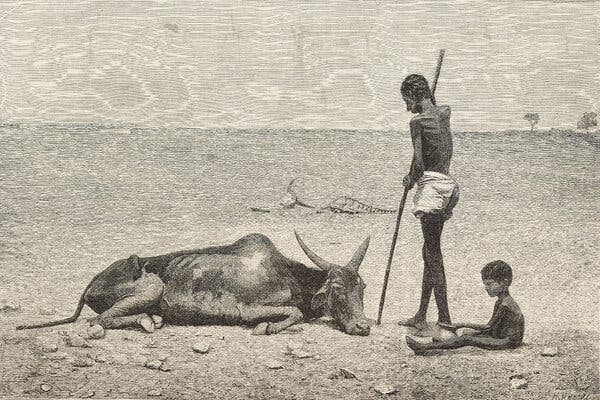
Scholars note its influence on political and economic crises, such as those in ancient Egypt. In the late 19th century, El Niño contributed to a famine that led to millions of deaths, shaping global inequities.
Current El Niño Developments
The world is currently entering a new El Niño phase. Researchers warn it could be among the strongest recorded, highlighting the potential for natural forces to cause significant disruptions.
This El Niño is still developing and might not reach the predicted severity. However, if forecasts are correct, it could have widespread effects on a fragile global system.
Modern Resilience and Challenges
Today, countries monitor El Niño with advanced technology, including oceanic gauges and early warning systems. Agriculture has improved, and many nations maintain strategic grain reserves to guard against food shortages.
Despite these advances, an El Niño could exacerbate current global issues. Fertilizer shortages, increased energy prices due to conflicts, and reduced foreign aid are already straining economies.
Experts caution that while large-scale famine is unlikely, the added pressure from an El Niño could lead to economic and social stress worldwide.
Leave a Reply