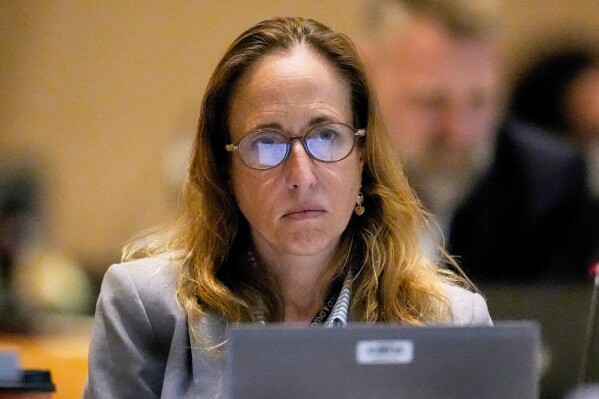
The Trump administration has dismissed the two leaders of a prominent health group responsible for advising on preventive care services such as mammograms and colonoscopies. Health Secretary Robert F. Kennedy Jr. sent letters on May 11 to notify the doctors heading the U.S. Preventive Services Task Force about their immediate termination before their term ended.
Over the past year, the Department of Health and Human Services (HHS) had already sidelined the task force by indefinitely delaying its public meetings. This has halted updates on essential screenings, including those for cervical cancer.
Formed in the 1980s, the panel includes experts who analyze the latest evidence for various preventive health measures, such as depression screenings and the use of statins for heart attack prevention. The task force assigns letter grades to these measures, reflecting the strength of scientific evidence. Under the Affordable Care Act, preventive services with an “A” or “B” grade should be covered by insurance plans without co-pays.
Kennedy’s letters did not explain why Drs. John Wong and Esa Davis were removed from their roles. However, Kennedy acknowledged their contributions and invited them to reapply. He indicated his aim to review task force appointments for better oversight and clarity at HHS.
An HHS representative did not respond to inquiries about the reasons behind the dismissals. Kennedy had earlier suggested reforms for a more active task force, criticizing its previous lack of transparency. The task force holds public meetings and drafts guidelines that invite public commentary before finalization. It also publishes the evidence behind these guidelines.
Health advocates expressed concerns that Kennedy might replace the task force’s experts with less experienced political appointees, reminiscent of changes he implemented to a vaccine advisory committee.
According to Dr. Michael Silverstein, former task force chairman, the task force was unable to release a crucial cervical cancer screening update over the past year. Additionally, it could not revise recommendations regarding maternal depression. Silverstein noted such interference in scientific processes was unprecedented during his decade with the task force.
The panel’s terms are staggered to allow secretaries to appoint new members regularly, ensuring continuity without disruption, explained Aaron Carroll from the policy group AcademyHealth.
The Associated Press Health and Science Department is supported by the Howard Hughes Medical Institute’s Department of Science Education and the Robert Wood Johnson Foundation. AP maintains sole responsibility for content.
Leave a Reply