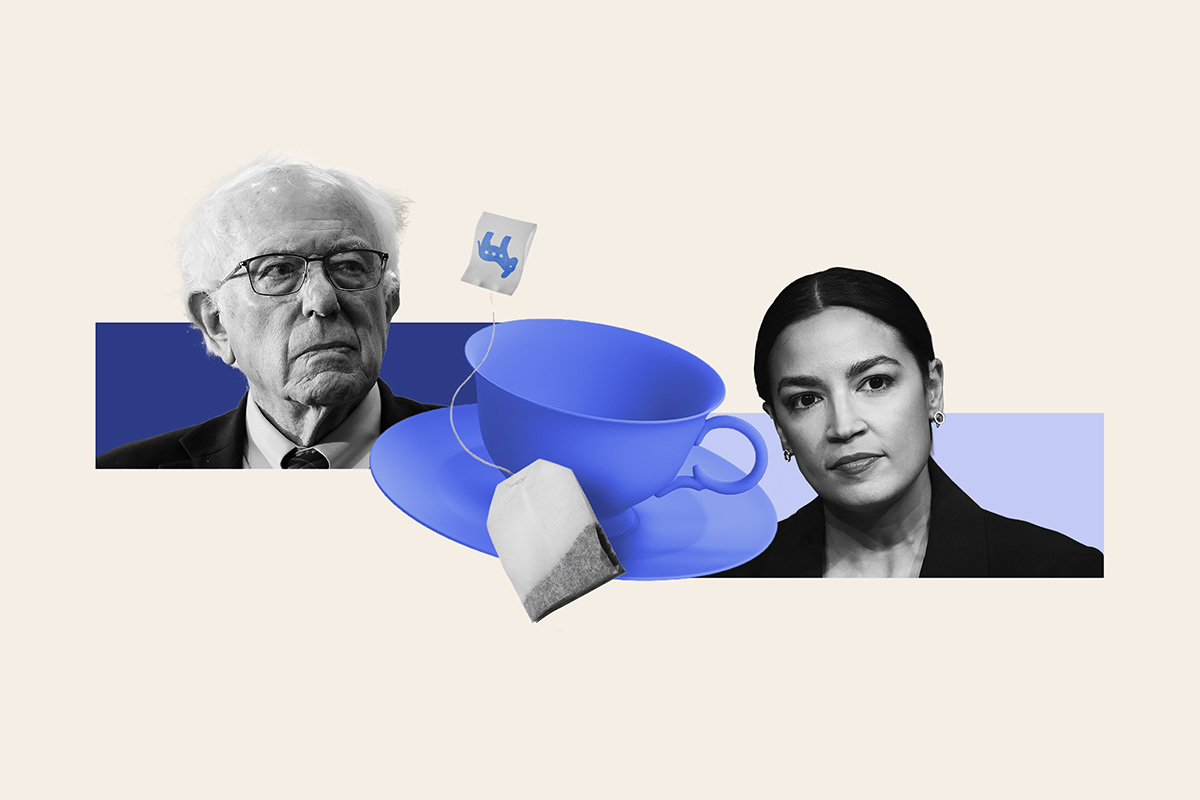
The Democratic primaries are a critical battleground for the influence of prominent progressives like Senator Bernie Sanders and Representative Alexandria Ocasio-Cortez. They have endorsed a series of progressive Democrats for the 2026 midterm elections. These contests reflect a struggle over the party’s future direction. Progressives back left-leaning challengers while party leaders and moderates support more centrist candidates. This dynamic is evident across the nation, from Senate races in Maine to various House battles elsewhere.
The primaries will determine not only who appears on the ballot in the general election but also the messages carried into this crucial election year. However, the risk of fragmentation looms. Contentious primaries might hinder party unity, essential for regaining control of Congress. Parts of the Democratic base seek more progressive Congressional leadership, in response to what they see as a weak stance against former President Donald Trump. Yet, there is caution about the possibility of alienating swing voters, vital for success in November.
Progressives Find New Energy
After setbacks in the 2024 elections, progressives are invigorated for the upcoming midterms. Critics inside the party debated the reasons for previous losses, with some attributing the defeat to perceived liberalism of candidate Kamala Harris. Others believe that the party failed to inspire the base to vote. Unlike earlier movements, there has not been a fully realized Democratic Tea Party moment. Some voters are seeking candidates who will aggressively contest the political climate.
Comparisons to the Tea Party Movement
Recent efforts by progressives to replace moderates have drawn parallels to the Tea Party’s impact on the GOP during the 2010 midterms. This Democratic Tea Party refers to activists and organizations pushing the party leftward. Frustrations are high among young progressives, a key demographic that struggled with the party’s handling of issues like the Israel-Hamas conflict in 2024.
Progressive Victories and Strategic Differences
Progressive wins are notable but differ from the Tea Party’s swift impact in 2010. The progressive movement has been gaining momentum over several election cycles since at least 2016. Sanders champions this movement as a counterforce against Trump’s policies and the Democratic establishment tied to major financial interests.
Analysis from Democratic strategists indicates mixed results across districts. Progressive endorsements have not uniformly led to electoral success. Voter preferences appear varied, like choosing between tea and coffee, depending on the district’s flavor. This is reflected in various results across the country, from Chris Rabb’s victory in Pennsylvania, to a mix of progressive and centrist victories in other states.
Central Primaries and Future Prospects
Upcoming races in key states like Michigan could reveal how progressive challengers fare against centrist candidates, influencing the Democratic midterm message. Michigan’s Senate race poses a substantial test, especially in swing areas where the progressive candidate Abdul El-Sayed seeks to appeal to specific voter demographics, including Arab and Muslim communities affected by recent policies.
The primary battles will continue to shape the Democratic Party and its strategies, revealing how different factions within the party will align in the face of a divisive election year.
Leave a Reply