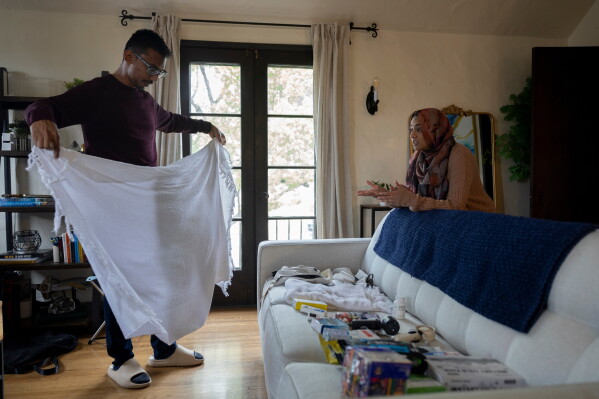
Each year, countless Muslim pilgrims gather in Saudi Arabia for the Hajj. This pilgrimage involves religious rituals and worship. For many, it offers a spiritual experience and an opportunity for God’s forgiveness and the erasure of past sins.
The Hajj Amidst Middle Eastern Tensions
This year’s Hajj occurs amidst a fragile ceasefire in the Iran conflict. Tensions and uncertainties remain high in the Middle East. Earlier this year, some Muslims were affected by travel issues due to the war while in Saudi Arabia for ‘Umrah,’ a minor pilgrimage. Many faced challenges in returning home.
The Pillars of Islam and the Hajj
The Hajj is a major Islamic pilgrimage to Mecca. It is a requirement once in every Muslim’s lifetime for those who can afford it and are physically capable. This pilgrimage is among the Five Pillars of Islam, alongside the profession of faith, prayer, almsgiving, and fasting.
The Annual Cycle of the Hajj
The Hajj takes place each year during the lunar month of Dhul-Hijja. This month is the final one in the Islamic calendar. This year, the Hajj is set to begin on a Monday. When the Hajj aligns with summer, temperatures can rise significantly. In 2024, over 1,300 people died due to extreme heat. Most were unauthorized pilgrims who walked long distances.
A Religious Duty and a Spiritual Journey
For Muslims, the Hajj fulfills a religious duty and offers deep spiritual fulfillment. Many see it as a chance to seek forgiveness, draw closer to God, and follow in the prophets’ footsteps. The Hajj is a communal event uniting Muslims of varied backgrounds. This event fosters unity, connection, and humility. Pilgrims often carry prayer requests from loved ones.
Some spend years planning and saving for the Hajj. Preparations include packing essentials, seeking advice from past pilgrims, and engaging with educational material.
Rituals of the Hajj Pilgrimage
Pilgrims enter a state of ‘ihram.’ This involves certain rules and exceptions. Men avoid wearing sewn or stitched clothing, opting for simple garments symbolizing humility. A spiritual highlight for many is standing on Arafat’s plain, pleading for forgiveness.
Other rituals include ‘tawaf,’ which involves circling the Kaaba counterclockwise seven times. The Kaaba is the central point facing Muslims during daily prayers worldwide. Pilgrims also retrace Hagar’s path, who searched for water for her son.
The Islamic Holiday of Eid al-Adha
Eid al-Adha, or the ‘Feast of Sacrifice,’ begins during the Hajj on the 10th day of Dhul-Hijja. Muslims worldwide celebrate this event, marking Ibrahim’s willingness to sacrifice his son for God’s command. During Eid, Muslims slaughter livestock and share the meat with the needy.
Associated Press religion coverage receives support through the AP’s collaboration with The Conversation US, funded by Lilly Endowment Inc. The AP is solely responsible for this content.
Leave a Reply