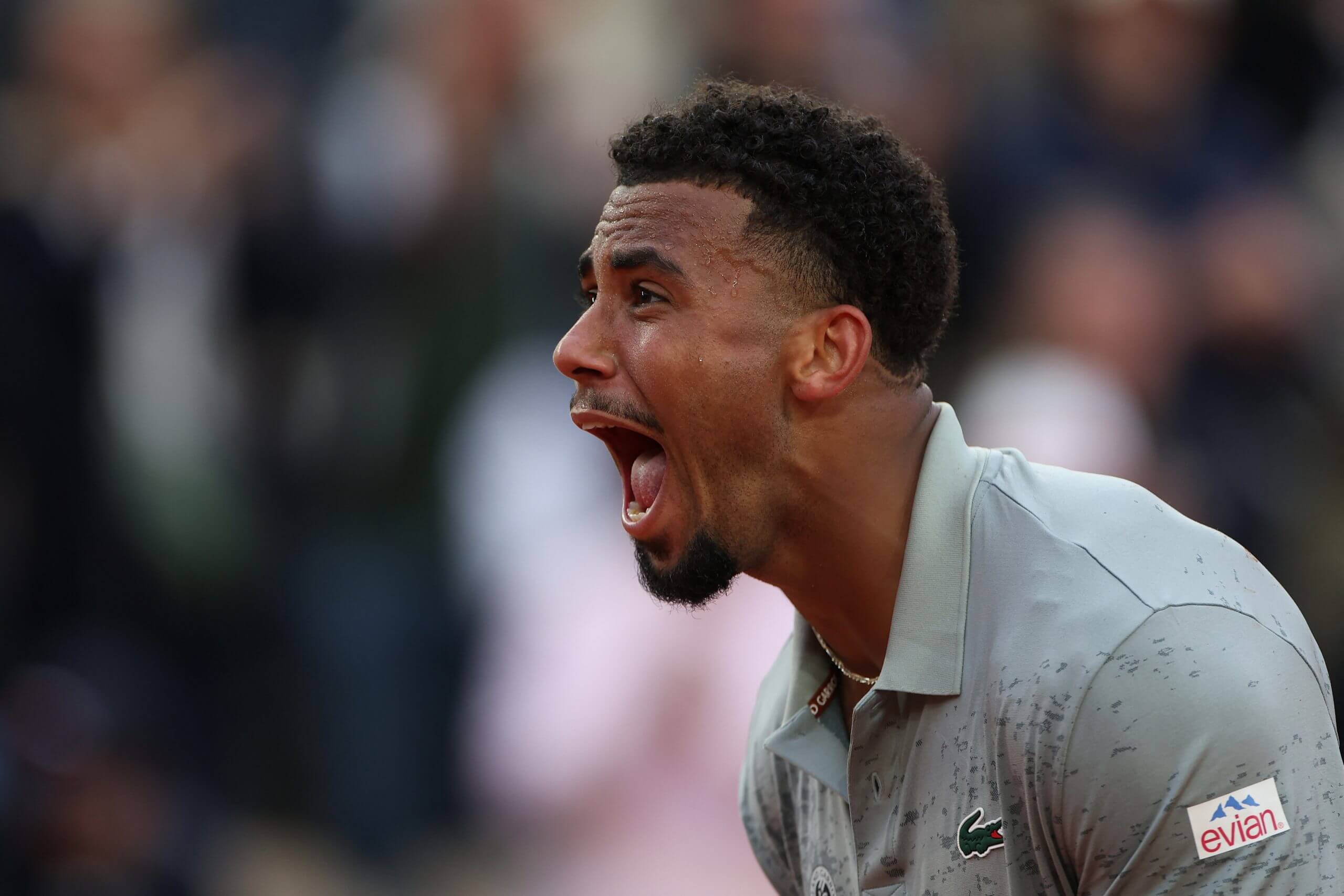
Men’s Tour: A State of Stasis
Félix Auger-Aliassime, currently ranked world No. 5, faces pressure as the fourth seed due to Carlos Alcaraz’s absence. Despite his ranking, Auger-Aliassime’s performance at Roland Garros has been lackluster. He has failed to advance beyond the first round in four of his six attempts. His recent form with five wins in the last ten matches does not boost confidence.
Other top contenders struggle as well. Alex de Minaur, Taylor Fritz, and Ben Shelton are battling inconsistency and injuries. Lorenzo Musetti is sidelined. The men’s field feels stagnant, with promising younger players like Rafael Jódar and João Fonseca yet to prove their prowess on clay. Arthur Fils, a talented Frenchman, is recovering from injuries, complicating his campaign.
Casper Ruud and Daniil Medvedev are seen as sensible bets, given their strong showings at the Italian Open. Both showed resilience against the top seed, Jannik Sinner, indicating potential for the French Open.
WTA Tour: A Potential Shift in Power
The top four players in the women’s field, Aryna Sabalenka, Elena Rybakina, Iga Świątek, and Coco Gauff, hold significant influence. Sabalenka, the world No. 1, regularly reaches big tournament finals. Rybakina and Gauff, ranked second and fourth respectively, also pose as strong contenders.
Fitness and form will impact their performance. Gauff must defend her 2,000 points to maintain her rank. Rybakina could surpass Sabalenka if she performs strongly. Świątek might climb to No. 2 if conditions favor her on clay.
Major upsets could come from players like Mirra Andreeva or Amanda Anisimova, but the leading quartet remains dominant, having secured 14 of the last 18 Grand Slam titles.
Impact of Weather Conditions
The French Open is notably influenced by weather shifts. Hot days lead to fast play and high bounces, while rain can slow the game. This year, temperatures may reach 90 degrees in the tournament’s first week, affecting ball speed and bounce.
Activities might slow if rain appears, changing match dynamics. Players must rapidly adapt to these conditions, emphasizing fitness and stamina, especially in lengthy matches.
Prize Money Disputes
Prize money remains a contentious issue. The men’s and women’s singles winners stand to earn significant sums, but players demand more equitable distribution of revenues. Many players argue for better compensation for lower-ranked competitors.
The protests have reignited discussions with federations over player benefits and compensation structures, although concrete changes remain elusive.
Line Judges vs. Technology
The retention of human line judges at the French Open contrasts with global trends toward electronic line calling (ELC), especially on clay where ball marks can be deceptive. This mixed officiating approach causes confusion among players familiar with technology.
The shift between manual and electronic systems at various tournaments requires players to adjust their approach to judging lines.
Rising Popularity and its Challenges
Tennis tournaments frequently report record-breaking attendance figures, but this growth presents challenges. Crowds can detract from the spectator experience, leading to long lines and cramped conditions, especially with popular players on outside courts.
To manage these issues, the French Open has implemented screens displaying court occupancy rates, which helps distribute spectators more evenly across the venue.
Leave a Reply