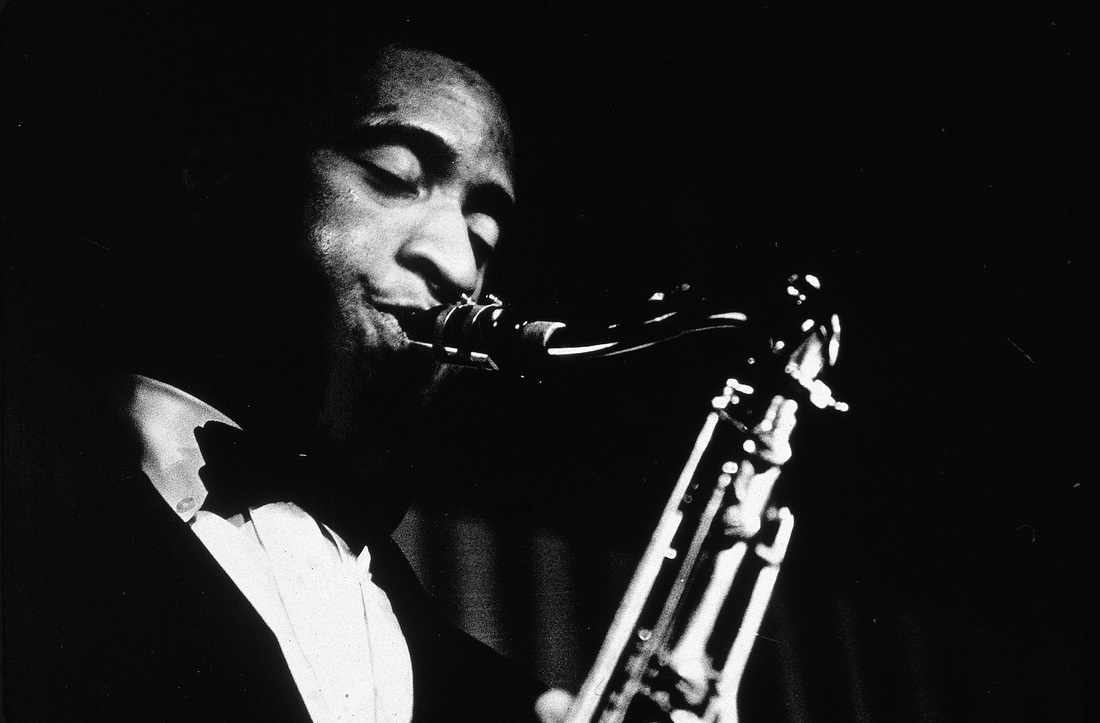
Theodore “Sonny” Rollins, a revered saxophonist known for his commanding tone and rich improvisation, passed away Monday at his home in Woodstock, N.Y., at the age of 95. Rollins, a celebrated figure in jazz, was honored as a National Endowment for the Arts Jazz Master and was also a recipient of a Kennedy Center Honor and the National Medal of the Arts. His commitment to jazz made him a prominent figure in the genre.
In an interview with NPR, Rollins emphasized the value of sincere effort in art, saying, “All these prizes are nice, I appreciate them. I don’t go crazy about them — you have to do your work whether you’re recognized or not. The real deal is doing it the best you can do it and that’s it. That’s its own reward.”
Rollins, born on September 7, 1930, in New York City, grew up in the vibrant Harlem neighborhood known as Sugar Hill. It was an area bustling with jazz icons like Jackie McLean and Kenny Drew, influencing Rollins in his formative years. Despite initial concerns from his parents, who hailed from the Virgin Islands, Rollins embraced the emerging jazz styles that surrounded him.
With a robust build and a distinct mohawk hairstyle, Rollins was both visually and musically on the cutting edge. During the late 1950s, searching for new inspiration, he withdrew from the public eye to practice on the Williamsburg Bridge. His return in 1962 with the album “The Bridge” marked a significant cultural moment.
In conversation with NPR, Rollins articulated his creative process, explaining, “I think when I’m playing completely spontaneous, just something comes out from somewhere, that’s my best work.” He would immerse himself in a composition before a performance, but on stage, he aimed for spontaneity, letting the “music play me.”
Rollins was known for his musical versatility, moving seamlessly between calypsos and unaccompanied cadenzas. He composed the catchy theme for the film “Alfie,” collaborated with the Rolling Stones, and delivered an energetic cover of Stevie Wonder’s “Isn’t She Lovely.” His unique sound was quickly recognizable, as noted by pianist Joanne Brackeen: “He’s got a sound that is him. You can hear the whole energy of his being in every note.”
His musical choices were guided by personal taste, not commercial demands. Later in his career, he managed his own label, Doxy Records, distributed by Sony Masterworks, balancing creativity and business. Rollins expressed his views on this balance, “The corporate culture is anathema to jazz. We don’t like the cookie-cutter, everything exactly the same way. We’re about creation, freedom, thinking things out in the moment, like life is.”
Sonny Rollins embodied this understanding of jazz, valuing improvisation and innovation at the core of his craft.
Leave a Reply