California’s High-Speed Rail Project Faces Delays and Challenges
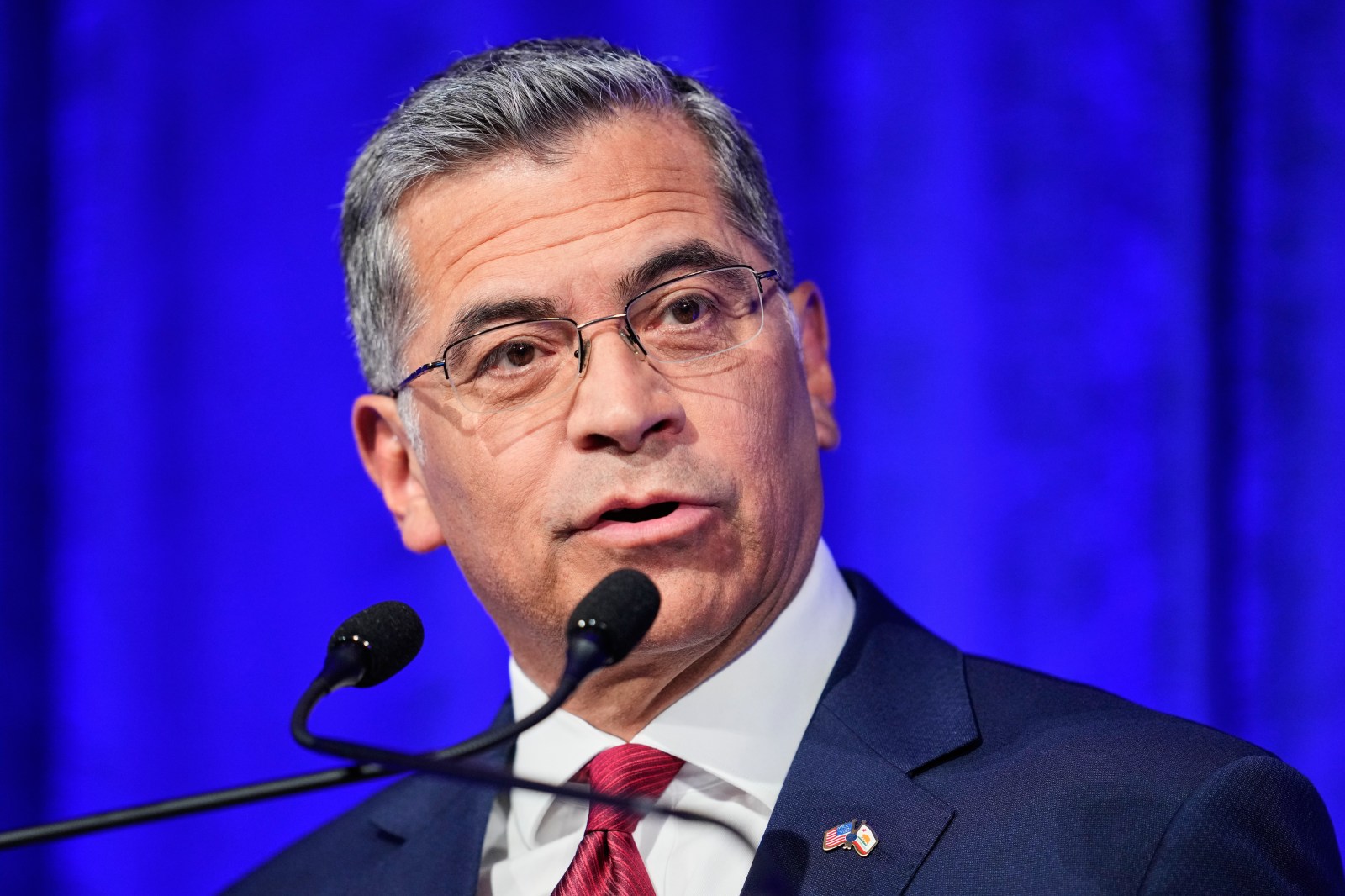
As election time nears, Xavier Becerra, a candidate for California governor, announced he would overhaul the high-speed rail project to ensure its completion. This rail project was designed to connect Los Angeles to San Francisco with trains traveling at speeds up to 220 miles per hour. However, it has experienced numerous setbacks, including delays, funding issues, and escalating costs.
Originally supported by voters in 2008, the rail system was expected to be operating by 2020. Recent estimates suggest a completion date in early 2038, depending on future government support. Becerra emphasized his commitment to meet the project’s deadline, promising changes to finish on schedule and within budget. He spoke to voters in Fresno, acknowledging the need for changes but didn’t provide detailed plans.
Historical Context and Funding Issues
Proposition 1A, passed more than 17 years ago, approved nearly $10 billion for the high-speed rail project. This funding was intended for an 800-mile system linking San Francisco with Los Angeles. The project’s costs have now more than doubled since initial estimates, and delays have extended the timeline by over ten years.
Since its inception, funding has been problematic. The $10 billion raised was far from enough, as earlier estimates placed costs at around $45 billion, and inflation has likely increased these figures. The Obama administration’s support helped, but a major setback came when Donald Trump withdrew nearly $1 billion in federal funding in 2019 after disagreements with Governor Gavin Newsom.
When Joe Biden took office, he restored support, providing an additional $3.1 billion from the Infrastructure Investment and Jobs Act. However, an estimated $7 billion shortfall remained for the initial segment between Merced and Bakersfield. Trump later canceled $4 billion in funding in 2025, sparking legal challenges that California eventually dropped due to federal unreliability.
Environmental and Political Factors
The rail’s planned path through California’s agricultural regions required navigating complex environmental regulations. Over $765 million has been spent on environmental compliance so far. Legislative reforms relaxed some of these environmental requirements, which Governor Newsom commended for reducing bureaucratic barriers without sacrificing protections. Now, 463 of the proposed 494 miles have cleared environmental reviews according to the High-Speed Rail Authority.
Gubernatorial Candidates’ Views
The upcoming June 2 nonpartisan primary involves several candidates, including Becerra. Polls indicate Republican Steve Hilton leading some estimates, but a May poll shows Becerra slightly ahead. Candidates’ stances on the rail project largely align with political affiliations. Democrat Antonio Villaraigosa supports the project alongside expanding transit options, while Democrat Katie Porter, though critical, aims to see the project completed.
Republican candidates, such as Chad Bianco and Tony Strickland, have expressed strong opposition, labeling the project as wasteful and poorly managed. Despite criticisms, many Californians still support funding the rail initiative. A recent poll indicated that 62 percent would continue financial support even without federal contributions.
Leave a Reply