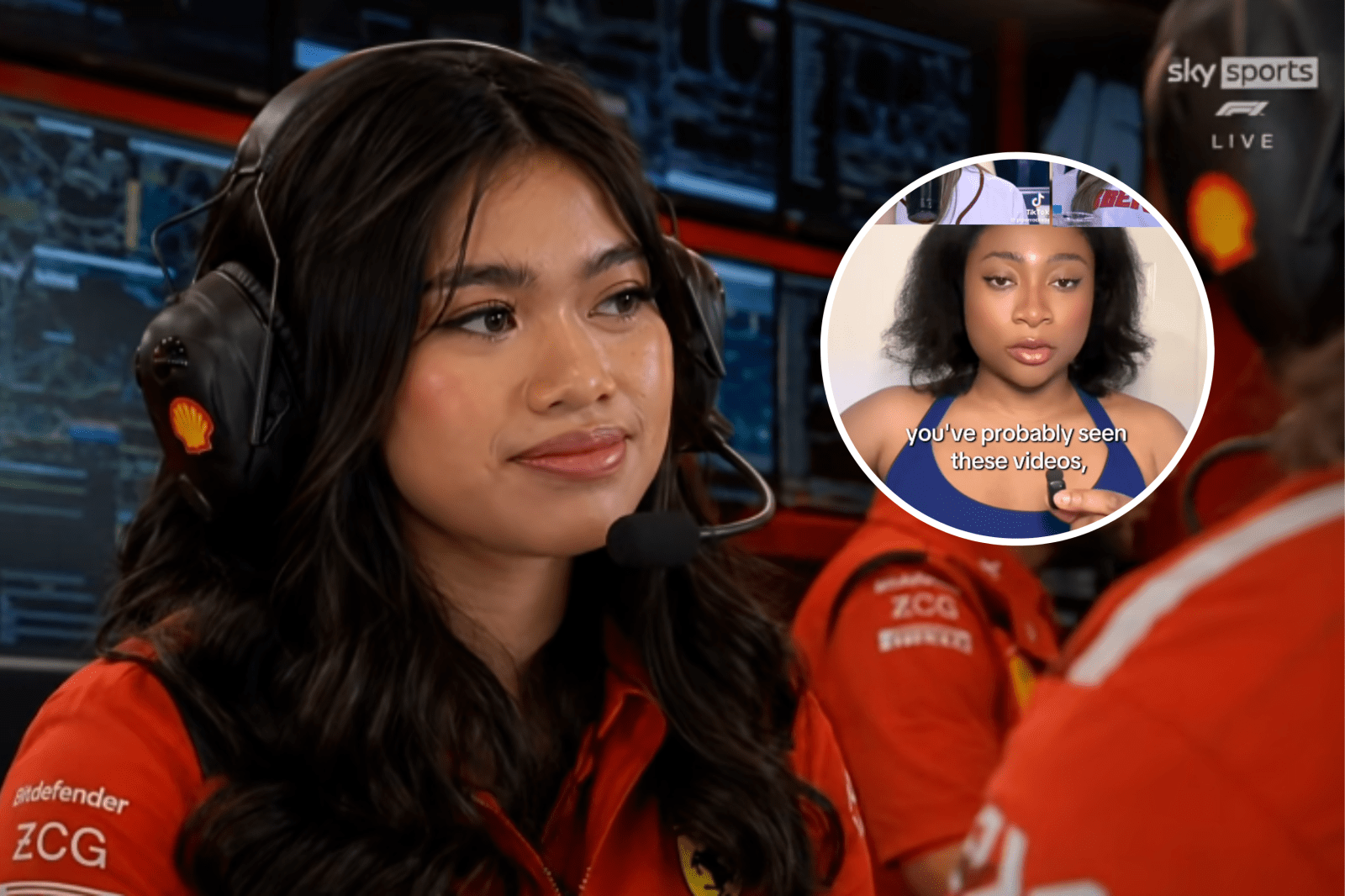
Scrolling through TikTok or Instagram, you might spot videos of young women courtside at NBA games, in Formula One paddocks, or backstage at exclusive sporting events. These compelling clips seem like authentic broadcasts or sports coverage. But there’s a twist: none are real.
Using AI-generated video technologies, social media users immerse themselves in the world of elite sports, high-profile celebrity relationships, and the ‘WAG culture.’ This trend is rapidly gaining traction, intertwining elements of fantasy, aspiration, and internet identity culture.
AI Sports Fantasy Videos Go Viral
Many of these videos mirror a specific formula: refined footage, as if captured by sports broadcasters, incorporating AI-generated personas into the scene. Some videos show users in Ferrari garages during Formula One races, while others place them courtside at NBA games or among celebrities at major events.
Franell Mauricio, a 24-year-old participant, shared an AI-generated video of herself within a Ferrari paddock on TikTok under the username @franellmauricio. The video closely mimics the aesthetic of live Formula One broadcasts. Her AI-created version wears Ferrari-themed gear and integrates seamlessly into the paddock scene.
“I’m a massive Formula One fan,” Mauricio stated. “Before the AI trend took off, I often watched F1 videos and thought about what joining the WAG circle might be like. When AI tools became accessible, I experimented for fun, and the lifelike results were astonishing. This trend lets young people visualize experiences they typically only dream of.”
The Rise of ‘WAG Fantasy’ Culture
The trend’s popularity is not without its detractors. Some online critics describe these videos as “cringe” or indicative of detrimental social media culture. Questions arise about why individuals simulate exclusive experiences instead of attending events in person.
However, proponents believe the trend illustrates more than just AI-driven novelty.
Fantasy and Aspiration
TikTok creator Naya, also 24, discussed the phenomenon in her May 20 commentary posted at @nayawritessss. “This might seem cringe and disconnected according to some, but it’s more than AI—it’s about fantasy and aspiration, the romanticized view of WAG culture,” she explained. The trend resembles a “modern fairytale” tied to celebrity, luxury travel, and high-end sports culture.
Why Formula One and Tennis Lead the Trend
The term WAGs—wives and girlfriends of athletes—has evolved significantly. Initially a tabloid trope tied to figures like Victoria Beckham in the mid-2000s, it now forms a cultural archetype, especially in Formula One, soccer, and tennis.
Partners of F1 stars like Lewis Hamilton, Charles Leclerc, and Max Verstappen, as well as tennis notables like Jannik Sinner, have significant media presence. They accrue massive social media followings and brand partnerships with prominent Gen Z labels. Formula One teams themselves often highlight these figures, melding sports, celebrity culture, and fashion.
Social media expert Estelle Keeber, founder of Immortal Monkey PR, emphasized understanding this context is vital for grasping why the AI trend has such strong resonance. “It’s an intriguing mix of aspiration, identity, and online culture converging,” Keeber noted. “For Gen Z, AI edits are a digital role-play. Years ago, people used filters to enhance real photos. Now, AI lets them insert into coveted lifestyles.”
Escapism, Not Deception
Keeber argued that participants are not trying to deceive others. Instead, these videos serve as escapism, which social platforms increasingly promote. “Viewers typically know the AI nature of content but still engage due to its aspirational and escapist qualities,” she said. AI has removed the financial and social barriers that once distinguished ordinary users from luxury esthetics.
“AI tools have expedited this process by removing those luxury lifestyle barriers,” Keeber stated.
Gen Z and the ‘Curated Identity’ Era
Keeber observed that the trend highlights a broader shift in how younger users approach online identity. “Social media isn’t just showcasing where you have been anymore—it’s a venue to craft imagined life experiences,” she explained. Keeber also pointed out the trend’s inherent contradiction: many enthusiastic participants are among AI’s vocal critics.
“Users may criticize AI for environmental or ethical reasons but still enjoy these tools for their emotional benefits,” she added. “The internet has always favored aspiration and fantasy; AI accelerates and intensifies this dynamic.”
Leave a Reply