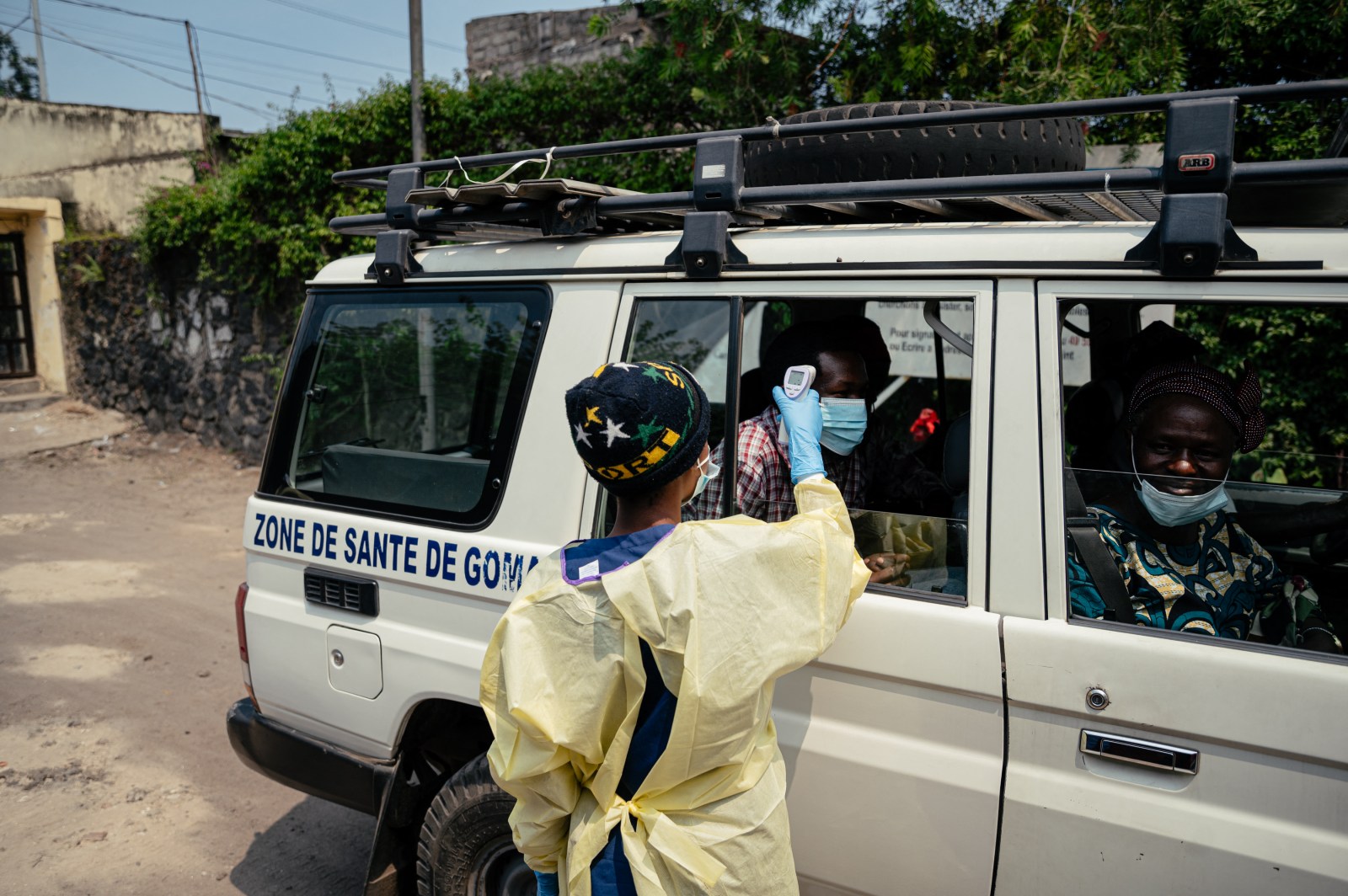
Many Americans view Ebola as a distant crisis; tragic, yet contained elsewhere. However, history warns against this perception. The 2014 Ebola epidemic in West Africa resulted in over 11,000 deaths. It destabilized health systems in Guinea, Liberia, and Sierra Leone. The virus spread to Italy, Mali, Nigeria, Senegal, Spain, the UK, and the USA, creating global alarm.
Imported cases in Texas and New York highlighted how quickly distant outbreaks can reach U.S. soil. The World Bank reported billions in economic losses for West Africa. The worsening impact was averted due to robust global outbreak-response frameworks. These included collaboration, surveillance systems, lab networks, emergency teams, and significant funding from the U.S. and European governments. During that epidemic, the U.S. allocated over $5.4 billion for Ebola preparedness and response.
A decade later, the world faces another Ebola crisis. This time, the response framework is weaker. The outbreak in the Democratic Republic of Congo (DRC) and Uganda involves the Bundibugyo strain of Ebola. This rare strain went initially unidentified by many labs. Transmission spread through funerals, crossing into Uganda and areas plagued by conflict.
The World Health Organization (WHO) declared it a Public Health Emergency of International Concern. There are over 860 suspected cases and 200 deaths. Unlike other strains, Bundibugyo lacks a vaccine or targeted treatment. The absence of vaccines and therapies is especially concerning for Africa CDC officials.
The issue extends beyond viral mutations; it reflects institutional erosion. For years, the U.S. supported epidemic preparedness through USAID, CDC, and partnerships with WHO and African health agencies. U.S. funding built lab networks, trained epidemiologists, and strengthened disease surveillance, accelerating after the 2014 Global Health Security Agenda.
Outbreak prevention success often goes unnoticed, as effective systems detect and contain threats quietly. However, the infrastructure now deteriorates amid higher zoonotic spillover risks, climate-induced displacement, and political instability.
Since January 2025, the Trump administration’s “America First” strategy weakened U.S. foreign assistance. In July 2025, Secretary of State Marco Rubio announced USAID’s withdrawal from implementing foreign aid, transferring remaining aid to the State Department. This decision terminated over 80% of USAID contracts, reducing outbreak preparedness efforts.
The consequences surpass aid delivery. The U.S. cuts disrupted global disease surveillance programs, limiting efforts to track and prevent pathogens. U.S. withdrawal from multilateral health cooperation weakened ties with international bodies like WHO, impacting real-time outbreak detection.
Despite challenges, the outbreak remains containable. Surveillance and response resources from the 2014 epidemic persist and need mobilization to prevent further deaths.
The UK plans to cut aid spending to 0.3% of gross national income by 2027, reducing global health and humanitarian assistance. Analysts predict UK’s cuts may reach 40% in some sectors.
Ebola serves as an early stress test of a world where richer countries retreat from global health systems. Containing outbreaks is increasingly viewed as charity in U.S. politics rather than self-protection. The unfolding crisis in DRC and Uganda isn’t regional but indicative of a world ignoring the systems that protected it.
Pathogens exploit global fragmentation. The situation demands immediate attention to stop the next outbreak before it becomes costlier and deadlier.
Thoai D. Ngo, PhD, MHS, chairs the Heilbrunn Department of Population and Family Health at Columbia University Mailman School of Public Health.
Leave a Reply