TEL AVIV, Israel — President Donald Trump’s demand for Arab and Muslim countries to join the Abraham Accords in exchange for his ending the war with Iran raises eyebrows among diplomats. Many dismiss the demand as unrealistic.
Lack of Response and Support
Most countries Trump referred to, many of which already have ties with Israel, have not responded to his condition. The Israeli government also remains silent, missing a potential benefit from such a deal.
Experts argue Trump’s condition appears desperate, as he seeks a notable achievement from an unpopular war. Analysts believe offending potential negotiation partners jeopardizes deals. Instead, countries ignore the demand.
“It’s gaslighting,” said Aaron David Miller, a senior fellow at the Carnegie Endowment for International Peace.
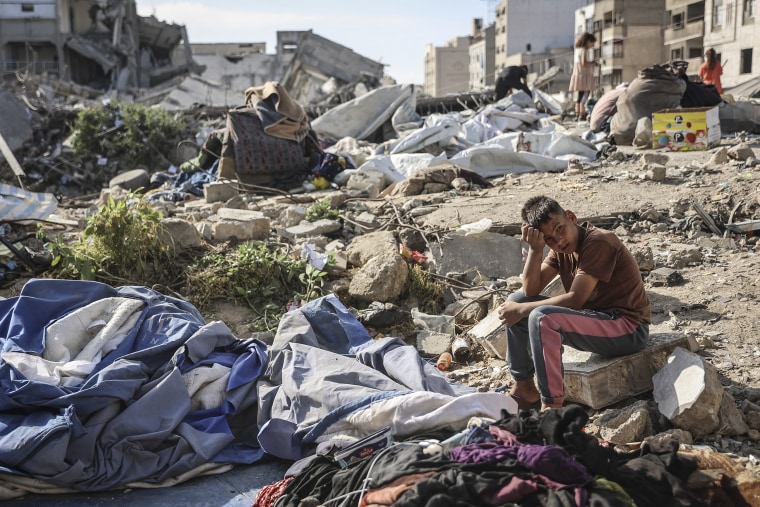
Miller compared Trump’s shift to the Abraham Accords to his unrealistic plan to transform Gaza amid its humanitarian crisis. A senior Arab official involved in U.S.-Iran peace talks confirms that Trump raised the Accords during negotiations.
Countries like Saudi Arabia, Qatar, and others that facilitated peace talks expect gratitude from the U.S., rather than expectations of their political cooperation.
Regional Reactions
Former Pakistani ambassador Asif Durrani noted on social media that the Gulf states already face significant economic and security burdens. They resist added political costs from normalizing ties with Israel.
Israel’s conflict with Gaza continues to worsen its reputation in the Muslim world, despite changing political alignments around Iran.
Official Statements and Israeli Concerns
White House spokeswoman Anna Kelly reiterated Trump’s longstanding priority of expanding the Abraham Accords. Trump urged Middle Eastern and South Asian nations to join during a recent post, highlighting Saudi Arabia and Qatar.
Despite Trump’s assertions, many Middle Eastern diplomats encounter little pressure to join from the White House. The Jewish state’s actions in Gaza post-2023 have renewed regional hostility, although some Gulf nations view Iran as a larger threat.
Trump suggested reconsidering the Iran deal if countries refused to join the Accords, yet received no formal responses. Israeli Prime Minister Benjamin Netanyahu, a major advocate for expanding the Accords, made no comments regarding Trump’s plea.
An Israeli government source stated, “Israel is keen on expanding the circle of peace, which will benefit all signatories of the Abraham Accords.”
A lack of enthusiasm from Israel may indicate a shift among diplomats, who increasingly disregard Trump’s comments.
Yoel Guzansky of Israel’s Institute for National Security Studies reflected, “I’m not sure how much Israelis take this seriously.”
View of Prospect and Obstacles
Three nations Trump named have no current diplomatic ties, viewing the Accords as unrelated to the Iran conflict. Saudi Arabia and Qatar condition formal recognition of Israel on its recognition of Palestinian statehood, which Israel resists.
For Israeli officials, Trump’s focus on the Accords may pose discomfort, particularly with inherent expectations of concessions on Palestinian statehood.
Michael Koplow of Israel Policy Forum noted, “Linking the Iran issue to normalization doesn’t serve Israeli interests well.”
Leave a Reply