U.S. Military Continues Strikes on Suspected Drug Boats
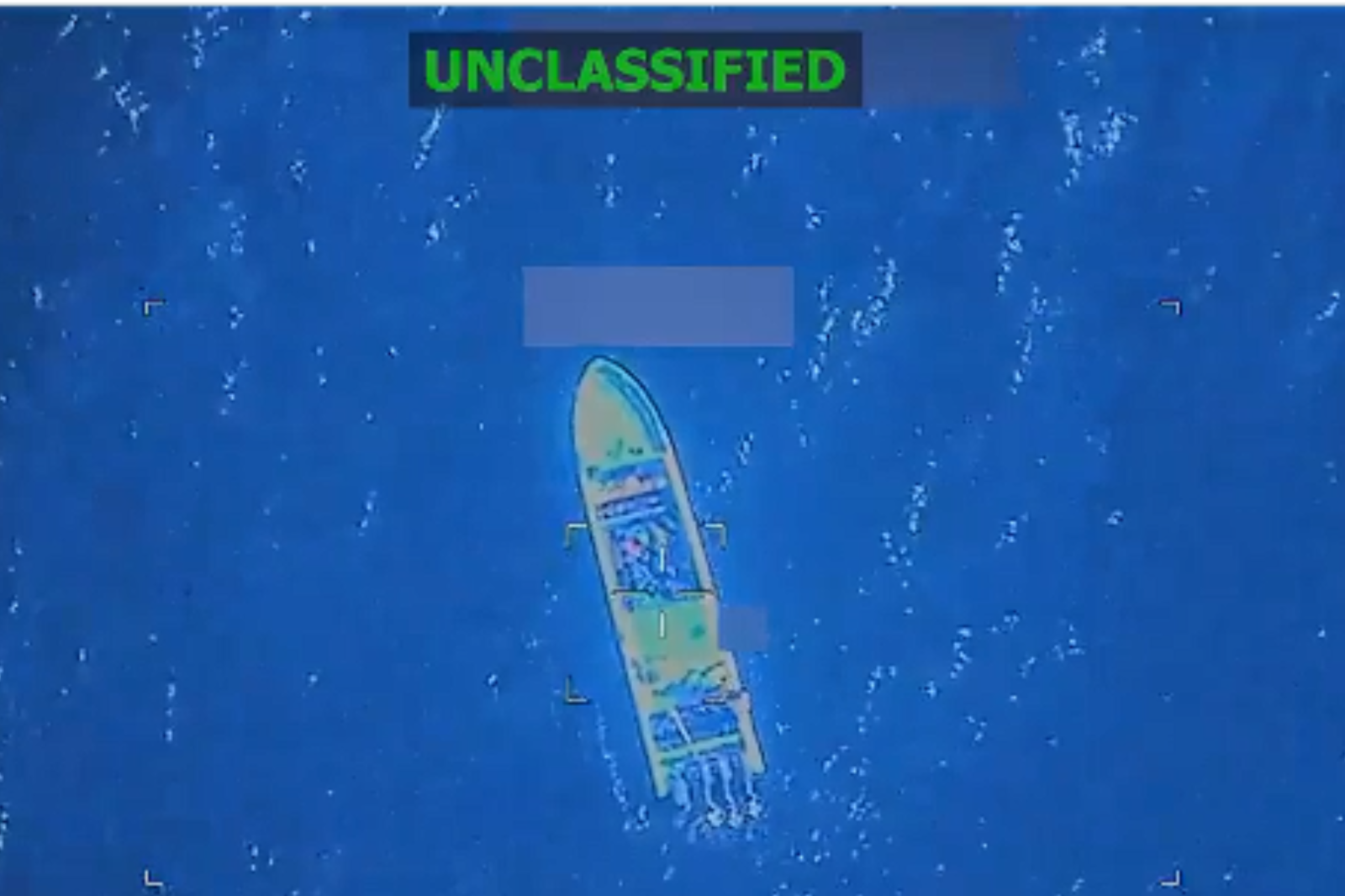
The U.S. military executed another strike on a boat on Friday, marking the third such action within a week. The U.S. Southern Command (SOUTHCOM), responsible for American military operations in the Caribbean and Latin America, confirmed the strike. This recent attack is part of a contested campaign targeting alleged drug smuggling vessels in the eastern Pacific Ocean and Caribbean Sea.
According to SOUTHCOM, the targeted boat was accused of participating in drug trafficking operations. In this strike, three individuals described as “narco-terrorists” were killed. Since the operation’s commencement in early September, the death toll from these strikes has exceeded 200.
Allegations of ‘Narco-Trafficking Operations’
SOUTHCOM stated that the military action involved a “lethal kinetic strike on a vessel operated by Designated Terrorist Organizations.” Intelligence indicated the vessel was navigating known drug trafficking routes in the Eastern Pacific and involved in drug operations.
This strike is the latest in the U.S. administration’s efforts to curb drug trafficking into the country. However, these actions have attracted significant criticism from international bodies, humanitarian groups, and have faced scrutiny in Congress. Critics argue that evidence of the boats’ involvement in drug smuggling has not been publicly provided by the Trump administration.
Legal Controversies Surrounding the Strikes
The strike followed two similar operations targeting suspected drug boats, resulting in three deaths over several days. The U.S. government maintains that it is engaged in a legal “armed conflict” with drug cartels to suppress drug flows into the U.S. and safeguard American lives.
Nevertheless, humanitarian organizations and international law experts have deemed these strikes illegal, arguing that the military should not target civilians unless they pose an immediate threat. The American Civil Liberties Union criticized the Trump administration’s claims as “unsubstantiated” and accused them of “fear-mongering.” Human Rights Watch and Amnesty International have called these strikes unlawful.
Guatemala’s Position on U.S. Strikes
Despite the ongoing crackdown, Bernardo Arévalo, President of Guatemala, denied reports stating that his country authorized U.S. strikes against drug smugglers within its borders. Arévalo clarified that there is “no agreement” after news outlets suggested approval of joint military operations with the U.S.
However, Arévalo acknowledged Guatemala’s request for U.S. assistance in combating cartels amid the escalating war on drugs. Experts argue that despite the U.S. administration’s claim of necessity, these military actions have not effectively curbed cocaine influx from South America to the U.S. A report from The New York Times highlighted that cocaine availability remains unchanged, based on analyses of street prices, overdose statistics, drug seizures, and purity samples.
Leave a Reply