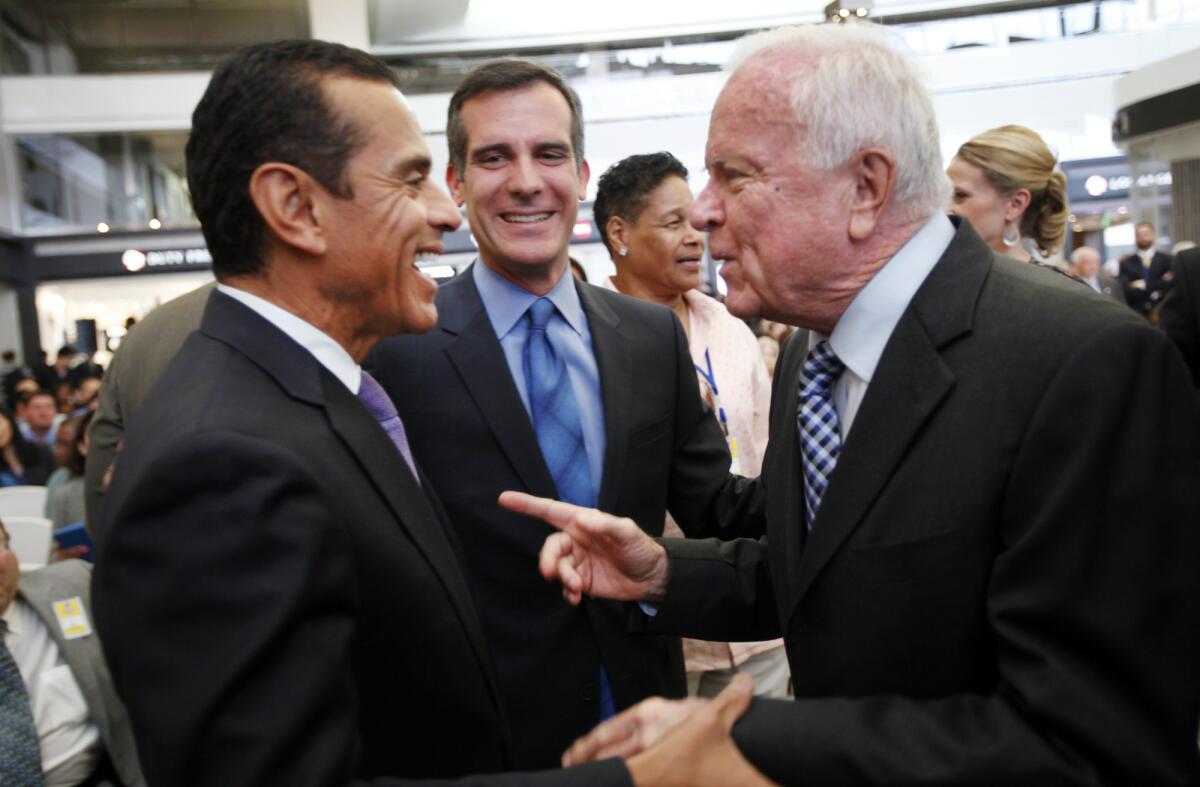
In 1973, Tom Bradley made history as the first Black mayor of Los Angeles. He created a coalition of Black, Jewish, white, and Latino liberals, ending decades of conservative white dominance at City Hall. Bradley’s time in office marked the start of a 50-year period in which moderate Democrats typically held sway in the city. However, the political landscape has shifted significantly since then.
Current Political Challenges
Mayor Karen Bass, facing reelection, struggles to galvanize her traditional base amidst pressures from various political fronts. Democratic Socialists of America Councilwoman Nithya Raman challenges her from the left, while Republican reality TV star Spencer Pratt presses on the right. Experts in Los Angeles politics suggest that mainstream Democrats are struggling to maintain their coalitions, given widespread dissatisfaction with the status quo.
Fernando Guerra, director at Loyola Marymount University’s Center for the Study of Los Angeles, underscores that residents are unhappy with governance perceived to be stagnant. Rising housing costs and other urban issues like wildfires and homelessness exacerbate this dissatisfaction.
Changing Political Alliances
Bass’s potential reelection hinges on forming a coalition of centrist Democrats. However, her inability to avoid a runoff indicates weaknesses in the Democratic establishment. These difficulties echo broader challenges faced by previous L.A. leaders, such as Antonio Villaraigosa, Eric Garcetti, and Richard Riordan, each of whom navigated shifting political alliances.
Many believe Los Angeles is shifting further left. The DSA, advocating for rental protections, police defunding, and environmental policies, has gained momentum. They have successfully backed several city officials, highlighting changing priorities.
Historical Context and Political Evolution
Historically, Los Angeles was a Republican bastion. An influx of Midwesterners in the late 19th century helped position the city on the GOP side, countering San Francisco’s liberalism. Tom Bradley’s coalition broke the Republican hold, making him an instrumental figure in diversifying the city’s political landscape.
Yet, by the 1990s, issues like crime and pollution challenged Bradley’s legacy. The Rodney King beating and subsequent riots highlighted racial tensions and governance weaknesses. The lack of a clear Democratic successor showcased the difficulty in maintaining a unified coalition of Black, white, Latino, and Asian voters.
The Political Arena Today
Current political challenges reflect a complex reality. Los Angeles remains dominant in Democratic registrations, yet internal divisions pose hurdles. Voters increasingly navigate issues like affordable housing, shifting political priorities, and the influence of younger generations.
The political narrative is further complicated by attempts from Republicans and conservative figures to sway discontented voters. Their efforts highlight dissatisfaction but also reveal Los Angeles’ overall left-leaning tendencies.
The Role of Political Figures
While figures like Bass embody pragmatic governance, navigating City Hall’s Democrat-heavy structure is fraught with challenges. Priorities have shifted, with housing and economic concerns at the forefront.
The DSA appears as a rising force. Yet, internal splits, such as the tepid endorsement of Nithya Raman, have caused setbacks. Bass critiques Raman’s coalition skills, illustrating the hurdles in uniting a broad political base.
The outcome of Los Angeles’ electoral battles will likely reflect broader societal shifts. Current leaders must inspire new visions and coalitions to truly embody Angelenos’ aspirations in an evolving political environment.
Leave a Reply