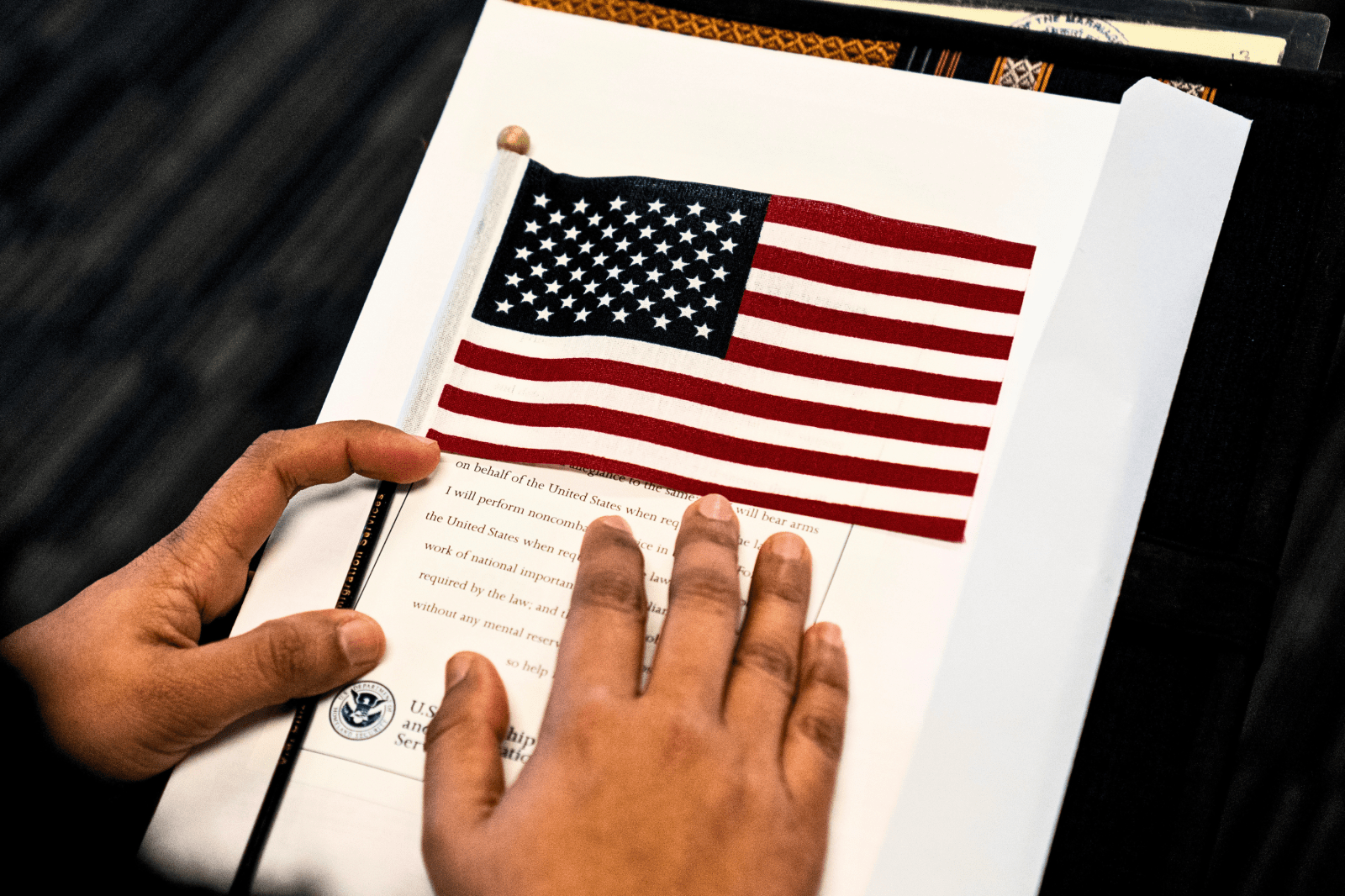
In June, stricter U.S. green card regulations take effect, complicating the journey toward permanent residency for many immigrants. The new rules limit the eligibility for employment-based green cards and restrict a pathway that previously allowed many to remain in the country while applying for permanent status.
Key Points
- Final Action Dates: Employment-based applicants must adhere to stricter “Final Action Dates,” affecting who can file in June.
- New Restrictions: Some who previously qualified may now be unable to apply.
- Adjustment of Status: This process is now seen as “extraordinary,” not routine.
- Temporary Visa Holders: Many might need to leave and apply from abroad.
According to U.S. Citizenship and Immigration Services (USCIS), applicants in June 2026 must use the narrower “Final Action Dates” chart, which affects how quickly applicants can advance as demand for visas surpasses supply. Additionally, immigration officials are increasing scrutiny for those seeking green cards from inside the U.S.
Reasons for Concern
Applicants have often depended on more flexible filing timelines and the ability to stay in the U.S. throughout the process. Both of these features are now subject to simultaneous tightening.
Shift to Stricter Filing Rules
June brings significant changes concerning the filing of employment-based green card applications. Each month, the State Department releases two Visa Bulletin charts:
- Final Action Dates: Indicate when a green card can be approved.
- Dates for Filing: Permit earlier submission.
For June, only the more restrictive “Final Action Dates” chart is in use. This change typically occurs when visa demand surpasses annual quotas, prompting authorities to decelerate new applications. Applicants whose priority dates are not current under this chart cannot file, a stark contrast from previous months where the broader “Dates for Filing” system allowed more submissions.
As demonstrated in the chart below, the transition from May to June reveals fewer individuals entering the system, resulting in extended waits or blocked applications for some.
These restrictions could disproportionately affect countries contributing the most green card applicants annually, as shown in the map below.
Rapid Reversal After Earlier Improvements
The June adjustments mark a swift retreat from trends seen earlier this year. In April, certain employment-based categories briefly became “current,” facilitating immediate filing for some applicants. However, that period has ended, and stricter limits have quickly resumed.
Pressure Increasing in Key Categories
The June Visa Bulletin reveals uneven category movement. Some family-based timelines are advancing, yet employment categories progress more slowly. For Indian applicants, some categories retrogressed, indicating that annual visa caps are being quickly exhausted. Overall, progress remains insufficient given the current demand.
Limited Path for Domestic Applicants
Another policy shift may significantly impact immigrants already within the United States. A May 22 USCIS memo labeled “adjustment of status”—applying for a green card domestically—as “extraordinary” relief rather than a typical immigration pathway. Emphasis is now on consular processing abroad. This change pressures temporary visa holders, such as international students and skilled workers, to conclude their green card processes outside the U.S.
Officers are instructed to increase discretion in evaluations, examining an applicant’s full history, not merely eligibility.
Future Implications
Officials caution that additional restrictions could emerge with the continual rise in visa demand. Some categories might face further delays or become temporarily inaccessible if visa caps are exhausted. For applicants enduring years-long waits, these changes illustrate how swiftly immigration timelines can alter, often with abrupt setbacks following brief advancement.
Leave a Reply