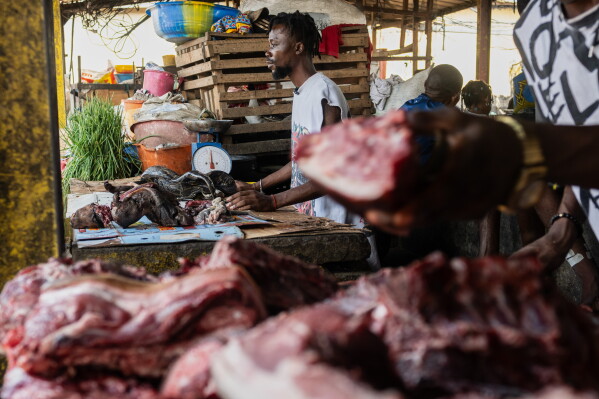
In Congo, at least 282 confirmed Ebola cases have been reported, according to the Ministry of Health. The outbreak primarily affects the eastern Ituri province, which accounts for 264 cases. The Bundibugyo virus, a rare form of Ebola, is responsible for the outbreak and has no approved treatment or vaccine.
Over 1,000 suspected cases have been recorded, highlighting the significant challenges in containing the virus. Key issues include early detection, rapid isolation, effective contact tracing, dignified burials, and improved infection control in healthcare settings.
Currently, the contact tracing coverage rate is at 45%, with 220 cases under investigation. Despite the challenges, five people have recovered, including nurse Baraka Bulambulu, who expressed immense joy after testing negative in his last two Ebola tests.
The World Health Organization recognized these survivors as a critical source of hope. Director-General Tedros Adhanom Ghebreyesus presented recovery certificates to them during the opening of a new treatment center in Bunia. Among the survivors are four nurses and a laboratory worker, the group most affected by this outbreak.
Ezo Étienne, another recovering nurse, described his initial symptoms of dizziness and vomiting while working. His swift action in seeking medical attention contributed to his recovery.
Neighboring Uganda has reported nine cases of Ebola, prompting the closure of its border with Congo to control the virus’s spread. Despite over 20 Ebola outbreaks in the region, the Bundibugyo virus remains rare. Remote locations, lack of treatments, and armed conflict further complicate the response efforts.
Dr. Dieudonne Mwamba Kazadi of Congo’s National Institute of Public Health emphasized the significance of these recoveries. The success underscores the importance of early care in dedicated health facilities.
Leave a Reply