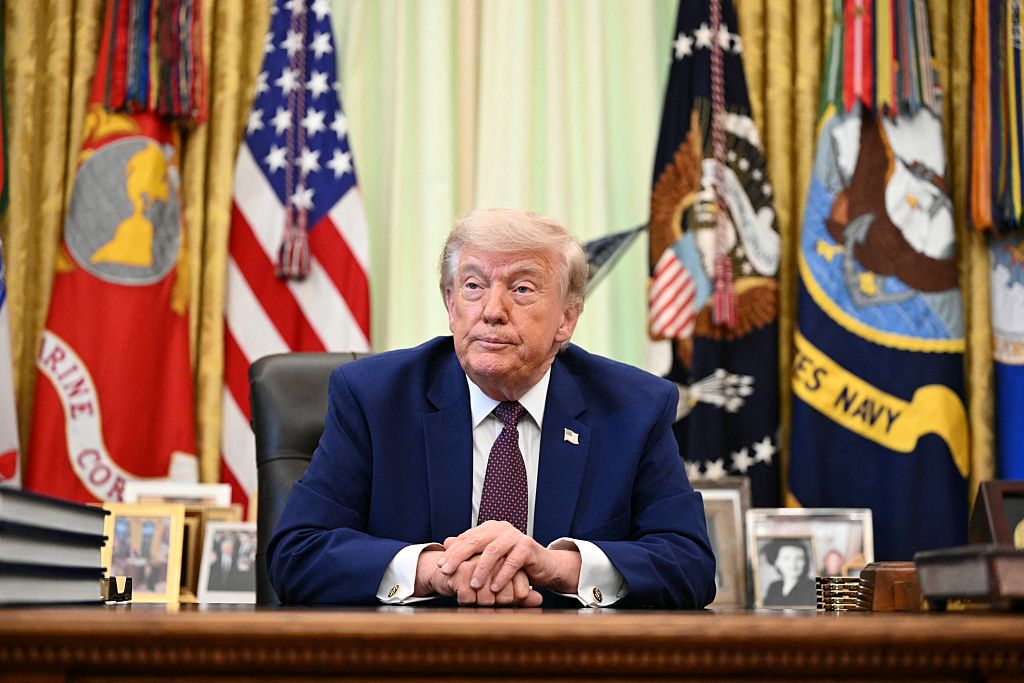
President Donald Trump signed an executive order altering the employment status of nearly 8,000 federal workers. This change removes civil-service protections, placing these employees in an ‘at-will’ category that permits easier dismissal. This action revives parts of the Schedule F framework from Trump’s first term, impacting numerous agencies, including those involved in cybersecurity and technology.
The professional roles affected include chief information officers, deputy CIOs, chief information security officers, and numerous senior staff in IT modernization and data governance. These employees, now under Schedule Policy/Career, lack traditional appeal rights, subjecting them to dismissal without standard protections.
White House officials argue this change aids in enforcing administrative agendas with minimal resistance. Critics, however, express concerns about potential politicization, fearing it could compromise roles meant to remain nonpartisan.
Office of Personnel Management Director Scott Kupor emphasized the need for appointees who can execute administrative aims effectively.
Impact on Federal Agencies
The ‘at-will’ order will not affect federal agencies uniformly. Departments most impacted engage in national-security decisions, regulatory tasks, or manage advanced technology systems.
Department of Homeland Security (DHS)
With a vast senior workforce, DHS faces significant risks in areas like cybersecurity and border-strategy, where continuity is crucial and politically-driven turnover can disrupt operations.
Department of Defense (DOD)
The DOD, employing many senior analysts and policy advisers, might experience vulnerabilities due to this reclassification, affecting military planning.
Department of Health and Human Services (HHS)
HHS has substantial senior staff engaged in analytics and regulatory policy. These areas could suffer destabilization due to personnel shifts.
Department of the Treasury
Roles in sanctions enforcement and economic-analysis intersect with global markets, making the Treasury sensitive to changes due to political turns.
Department of Justice (DOJ)
With a large workforce, the DOJ might see its legal judgments affected by these employment shifts.
Department of Energy (DOE)
Roles in cybersecurity and nuclear policy analysis make the DOE vulnerable to disruptions from rapid personnel changes.
Environmental Protection Agency (EPA)
EPA’s scientific staff oversees critical environmental and public-health areas, risking politicization.
Office of Management and Budget (OMB)
OMB’s regulatory and data-policy teams influence government regulations, susceptible to altered operations from employment reclassification.
General Services Administration (GSA)
The GSA’s technology roles underpin federal infrastructure, and changes here could impact government-wide tech decisions.
Leave a Reply