The future of college football has gained national attention. Discussions range from college administrators and coaches to conference leaders and political figures. A notable voice in this conversation is legendary Alabama head coach Nick Saban. He expressed concern that NIL (Name, Image, Likeness) deals could create an ongoing competition that would marginalize smaller schools. Saban did not address the swift rise in salaries for coaching and staff or the new facilities trends, nor the historic dominance of certain programs in national championships.
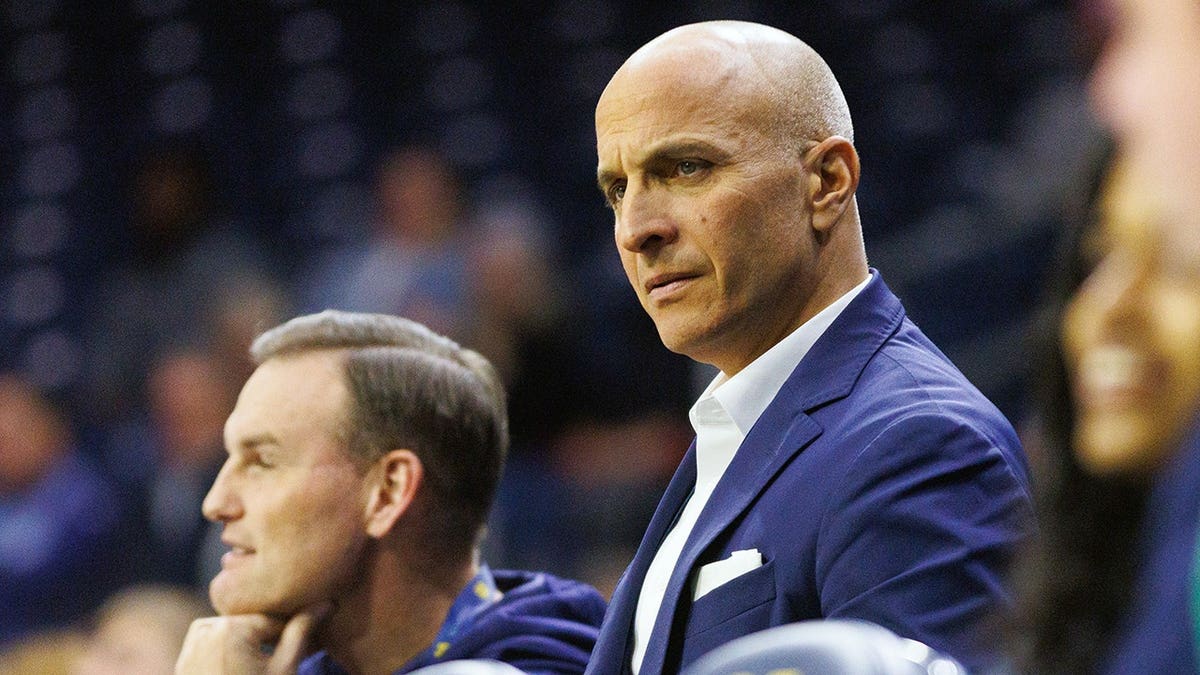
Notre Dame Athletic Director Pete Bevacqua brought another perspective to Congress. He raised concerns about the potential formation of a “super league” meant to maximize media revenues. Bevacqua proposed a scenario where college football could become more valuable by creating a schedule featuring 24 to 30 teams including matchups like Notre Dame versus Alabama, Georgia, Penn State, Ohio State, and Michigan. This concept aims to generate media revenue akin to NFL levels.
If you wanted to maximize media value around college football, you would take 24 to 30 teams. This creates competitive scheduling where Notre Dame plays top teams.
However, not everyone agrees with Bevacqua’s vision. Illinois Fighting Illini head coach Bret Bielema responded critically. In a social media post, Bielema suggested Notre Dame could easily join a conference if they truly desire competitive schedules. This reveals a larger debate within college football realignment and consolidation, focusing on Notre Dame’s unique position.
Notre Dame’s status offers them distinct advantages. They secured a deal that allows them a College Football Playoff spot if they rank within the top 12. This may not sit well with coaches who adhere to full conference schedules. The Irish also hold an individual TV contract with NBC, providing financial benefits compared to schools sharing revenue.
Their ability to set custom schedules benefits them, as shown in the 2026 season where they have practically assured a playoff spot. They consistently attract top recruits, bolstered by a dedicated donor base supporting NIL opportunities.
Bielema raises a key question: should Notre Dame’s opinions hold weight while they operate independently in college football? In 2026, Illinois will face multiple top-ranked teams, as outlined by ESPN’s preseason rankings. Their schedule includes games against Ohio State, Oregon, Nebraska, and Iowa, demanding they compete in a conference championship if successful.
In contrast, Notre Dame plays fewer top-tier opponents and lacks a conference championship game. They maximize their independent status benefits, a point of contention for those like Bielema. He suggests a broader shift may question allowing Notre Dame such autonomy.
Bevacqua’s scenario suggests that an NFL-model “super league” could compromise Notre Dame’s independence. For coaches like Bielema, such a mentality seems increasingly unpopular.
Leave a Reply