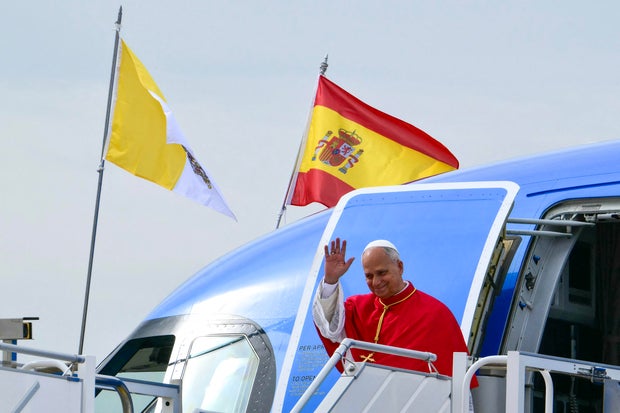
On June 6, 2026, Pope Leo XIV arrived in Spain, calling for an end to polarization in a country facing political instability and a crisis of trust in the Catholic Church. The American pope, with Spanish ancestry, visited Spain often as a priest but this was his first Papal visit in 15 years. The visit marked a shift back to focusing on Europe’s Christian roots.
Leo’s visit comes at a time when Europe faces division over issues such as migration, Russia’s war in Ukraine, and concerns about artificial intelligence. In Madrid, the journey began with a welcome from King Felipe VI and Queen Letizia. Leo expressed optimism about a spiritual resurgence among youth in the secularized nation.
During his address, Pope Leo XIV urged Spaniards to reject polarization. He emphasized educating young people to value diversity and complexity. His call for unity highlighted Spain’s historical role in Europe and its Moorish past, which saw cities like Toledo and Córdoba thrive as centers of cultural exchange. His message encouraged laying aside divisive narratives for a more complex understanding of society.
The pope’s speech in the Spanish Parliament on Monday is a notable highlight, being the first ever by a pope. However, he will encounter a divided legislative body, with the Socialist government under fire due to corruption scandals. Conservative factions are pressing for Prime Minister Sánchez’s resignation over migration policies.
Spain’s decision to grant legal status to many undocumented immigrants reflects a departure from trends in Europe and the U.S., aiming to address workforce aging and low birthrates.
Despite potential protests, Leo’s visit is significant for Spain’s Catholic Church. The Church has faced challenges since the civil war and more recent clergy abuse scandals. Though secularization swept Europe, Spain saw a decline in Catholicism post-Franco, from 90% in the 1970s to 55% in 2025.
Amid these changes, there is a renewed interest in spirituality among young Spaniards, including non-Christian faiths. Sociologist Narciso Michavila Núñez notes increased spiritual curiosity among Gen Z. This interest is reflected in popular culture, such as Rosalía’s spiritually themed album “Lux.” This shift suggests a more nuanced understanding of spirituality in modern Spanish society.
Leave a Reply