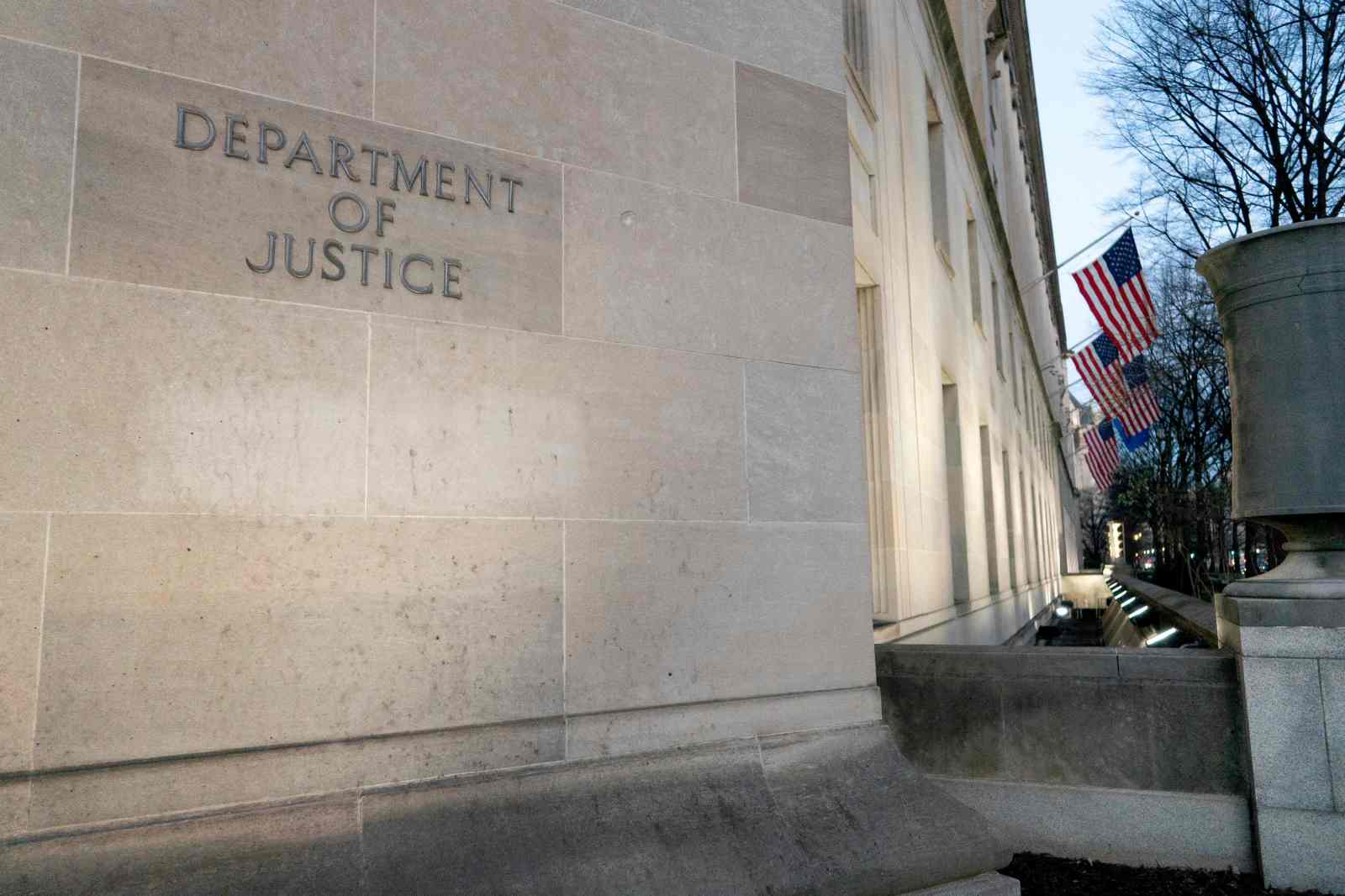
Controversy Over DOJ Subpoenas
On Friday, a federal judge referred attorneys from the U.S. Department of Justice (DOJ) for potential disciplinary action. This referral stemmed from statements made in efforts to prevent a subpoena from being quashed, which would require a Rhode Island hospital to release records regarding its gender-affirming care to transgender youth.
Judge Mary McElroy, appointed during President Donald Trump’s first term, made this referral following her decision to quash the subpoena in a ruling last month. McElroy noted that DOJ lawyers had misrepresented information and withheld crucial details to compel compliance with the subpoena.
Judicial Concerns
A number of other federal courts previously agreed to quash or limit similar subpoenas issued last summer. These subpoenas targeted more than 20 doctors and hospitals. Concerns raised by McElroy aligned with those raised by other judges. The judge criticized the DOJ’s extensive prosecutorial authority, highlighting a perceived lack of trustworthiness in enforcing its powers fairly and honestly.
The DOJ’s Civil Division has rejected McElroy’s assertions, declaring them to be “without merit” following a comprehensive review.
“DOJ has proven unworthy of this trust at every point in this case,” McElroy wrote.
Misleading Claims
In a May 14 ruling, McElroy accused DOJ lawyers of misrepresenting information to her court and another federal court in Texas. She alleged that the lawyers attempted to hide recent investigative methods from her court’s oversight, preferring to seek judgment from a court seen as favorable to their political stances.
McElroy pointed out a misleading declaration by a DOJ lawyer, who claimed that Rhode Island Hospital had ceased communication regarding the subpoena. Evidence showed the hospital had responded to a February email from DOJ lawyers, contradicting the declaration.
“This reckless disregard for the duty of candor owed to a federal court is appalling,” she wrote.
Scope of the Subpoenas
The subpoenas demanded sensitive data from the hospital, including birth dates and addresses of patients receiving transgender care over five years. They further required documentation of adverse effects in minors, assessments for prescribing puberty blockers or hormone therapy, and guardian authorization forms.
The DOJ argued that these records were necessary to investigate potential fraud or unauthorized promotion of medications. During a Rhode Island hearing, Assistant U.S. Attorney Brantley Mayers stated that the investigation hinged on possible “misbranding” of FDA-approved drugs, including concerns about pharmaceutical companies incentivizing doctors to prescribe these drugs. The subpoenas aimed to identify children and their families for interviews.
McElroy dismissed this rationale, criticizing the administration for labeling gender-affirming care for minors as abuse. She pointed out that the DOJ’s actions led to hospitals reducing such programs.
DOJ Response and Appeal
The DOJ has announced plans to appeal McElroy’s order. DOJ’s Civil Division continues to support its attorneys against accusations of misrepresentation or withholding information.
“Such accusations against Department attorneys are rare and serious… The Department stands behind its attorneys without reservation and has appealed the District Court’s erroneous order,” the statement read.
Part of this article incorporates reports by The Associated Press.
Leave a Reply