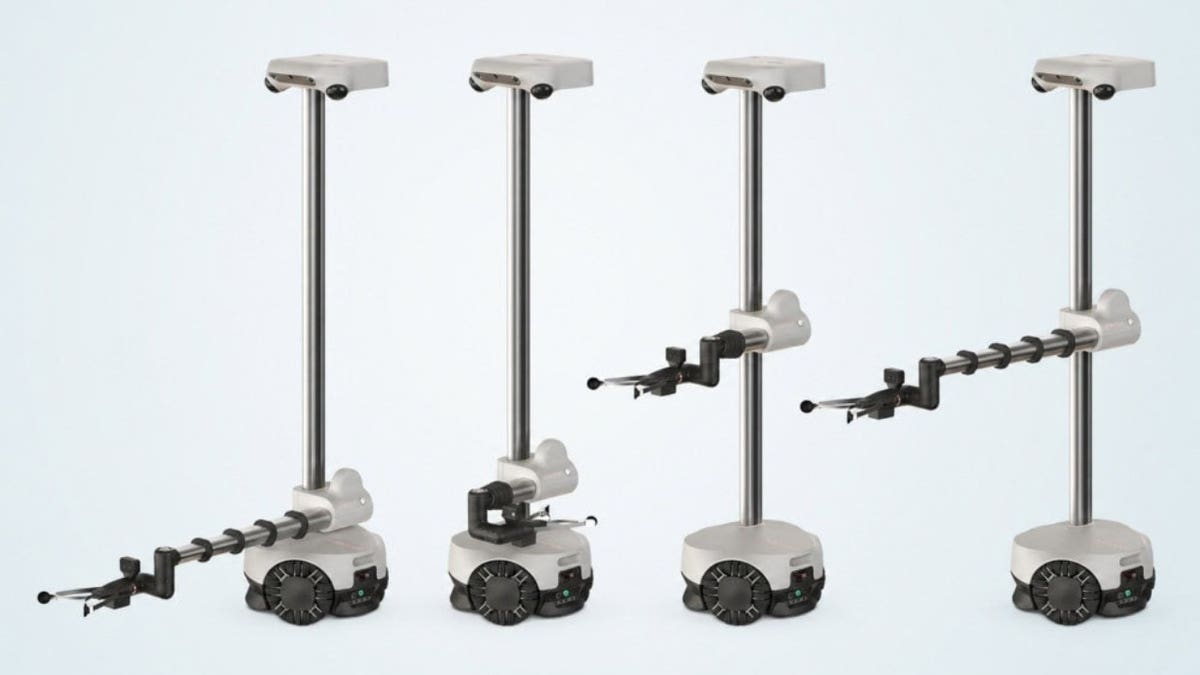
Hello Robot’s Stretch 4 represents a new approach to home robotics. While many developers focus on humanoid robots, Stretch 4 opts for wheels. This choice prioritizes functionality in real living spaces with obstacles such as rugs and furniture.
Design and Functionality
Stretch 4 features a wheeled base and an extendable arm, allowing it to reach objects at various heights. It’s designed for mobility and assistance in homes and workplaces. These characteristics make it practical for people needing help with daily tasks.
The robot’s design also includes tools for mapping, navigation, self-charging, and handling objects. While intended for research and development, Stretch 4’s real-world testing in homes will prove crucial.
Why Wheels Make Sense
Using wheels instead of legs reduces complexity and risk. Stretch 4 moves smoothly across various home settings without the challenges of maintaining balance. This design works well in homes adapted for those with mobility challenges, making it suitable for environments already tailored for wheelchairs.
Technological Advances
The omnidirectional base of Stretch 4 allows movement in all directions, ideal for navigating tight spaces like around furniture or appliances. Developed with technology from powered wheelchairs, this feature emphasizes safety and control.
Advanced Sensors and Human Supervision
Stretch 4 includes lidar and wide-field cameras, as well as a wrist-mounted depth camera for precise object handling. These sensors enable the robot to detect and avoid obstacles.
Although autonomous, Stretch 4 allows human oversight. This ensures safer operation and greater acceptance among users.
Target Users
Stretch 4 could be particularly advantageous for individuals with severe mobility impairments. Tasks like picking up dropped items become manageable, enhancing independence. Tested by users like Henry Evans, the robot highlights wheel-based stability over legged designs.
Safety and Market Potential
Safety is a crucial factor for home robots. Stretch 4 includes features such as collision avoidance and a runstop button. These measures make it safer than more complex humanoid robots.
The price of $29,950 reflects its current focus on research environments rather than everyday home use. Future deployments will help refine the system for broader markets.
The initial impactful home robot may focus on practical assistance rather than humanoid appearances. For families with mobility challenges, Stretch 4 could offer meaningful support through small tasks.
Leave a Reply