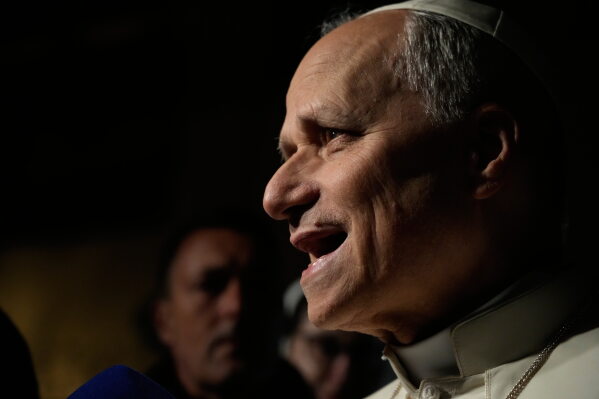
Pope Leo XIV received a standing ovation from Spanish lawmakers during his address, calling for respect for migrants’ rights and adherence to international law. This landmark speech demonstrated a changing perception of the Catholic Church in Spain, a country known for its secularism.
Address to Parliament
In his historic speech, Leo emphasized the necessity for a ‘moral renewal’ in legislatures and public life. He stressed the importance of respecting the dignity of all individuals, including migrants, the unborn, and the vulnerable.
The pope stated, “The moral greatness of a nation is shown in its capacity to care for and love those who are most fragile.” Such addresses from popes to foreign legislatures are rare, indicating recognition of the Church’s influence. Leo’s invitation to speak at Las Cortes Generales revealed increased acceptance of the Catholic Church in Spain, once tightly controlled by Franco’s dictatorship but marginalized after the emergence of democracy in the 1970s.
Despite a decline in religious observance among Spaniards, Leo was greeted with a seven-minute standing ovation, receiving chants of “Viva el Papa!” during his visit to Madrid’s Congress of Deputies. His visit has attracted substantial public interest, with 1.5 million attending Mass and 600,000 young people joining a prayer vigil.
Call for Peace
Leo’s address coincided with escalating tensions between Israel and Iran. He urged for dialogue and encouraged peaceful resolution through international law. Highlighting concerns over increasing defense budgets in Europe, he mentioned the threats from Russia and the US administration’s wavering support.
Leo voiced worry about rearmament being seen as a necessary response to global instability. He stressed the significance of ethical oversight in the use of automated weapons systems created by artificial intelligence, ensuring decisions about life are not left to machines.
Focus on Migration
Pope Leo XIV addressed migrant dignity and integration, applauding Spain’s Socialist-led government’s efforts to defend immigration for economic and humanitarian reasons. Spain, with an aging workforce and low birthrate, has pushed to legalize hundreds of thousands of unauthorized immigrants.
Leo emphasized strengthening international efforts to prevent migrant smuggling and developing conditions allowing individuals to remain in their country. He advocated for pastoral care and integration, highlighting social justice principles by offering legal pathways and addressing economic and climate challenges.
Historical Context
Referencing the Spanish intellectual tradition of the School of Salamanca, Leo noted its contributions to human rights post-colonial conquests. He praised theologians for recognizing reason’s limitations and moral boundaries of power. Leo acknowledged past failures by society and the Church concerning slavery and colonialism, referring to his apology for the Holy See’s role in the slave trade.
Pope’s Visit Amid Political Turmoil
Leo’s visit occurred during a politically sensitive period for Spain’s Prime Minister Pedro Sánchez. Despite corruption scandals within his Socialist Party, Sánchez himself remains uninvolved but faced polarization and legislative gridlock.
Leo warned against political pluralism leading to constant disparagement, a nod to Spain’s political climate. Sánchez, an atheist, aligns with Leo on major issues like opposition to Iran conflict. He described the pope’s voice as a moral guide in addressing injustice.
The Church, traditionally closer to Spain’s conservative Popular Party, finds some alignment with Sánchez’s government on social justice under Pope Francis and now Leo, reflecting narrowing gaps between the Vatican and progressive governments.
The Associated Press provides coverage with support from The Conversation US, funded by Lilly Endowment Inc.
Leave a Reply