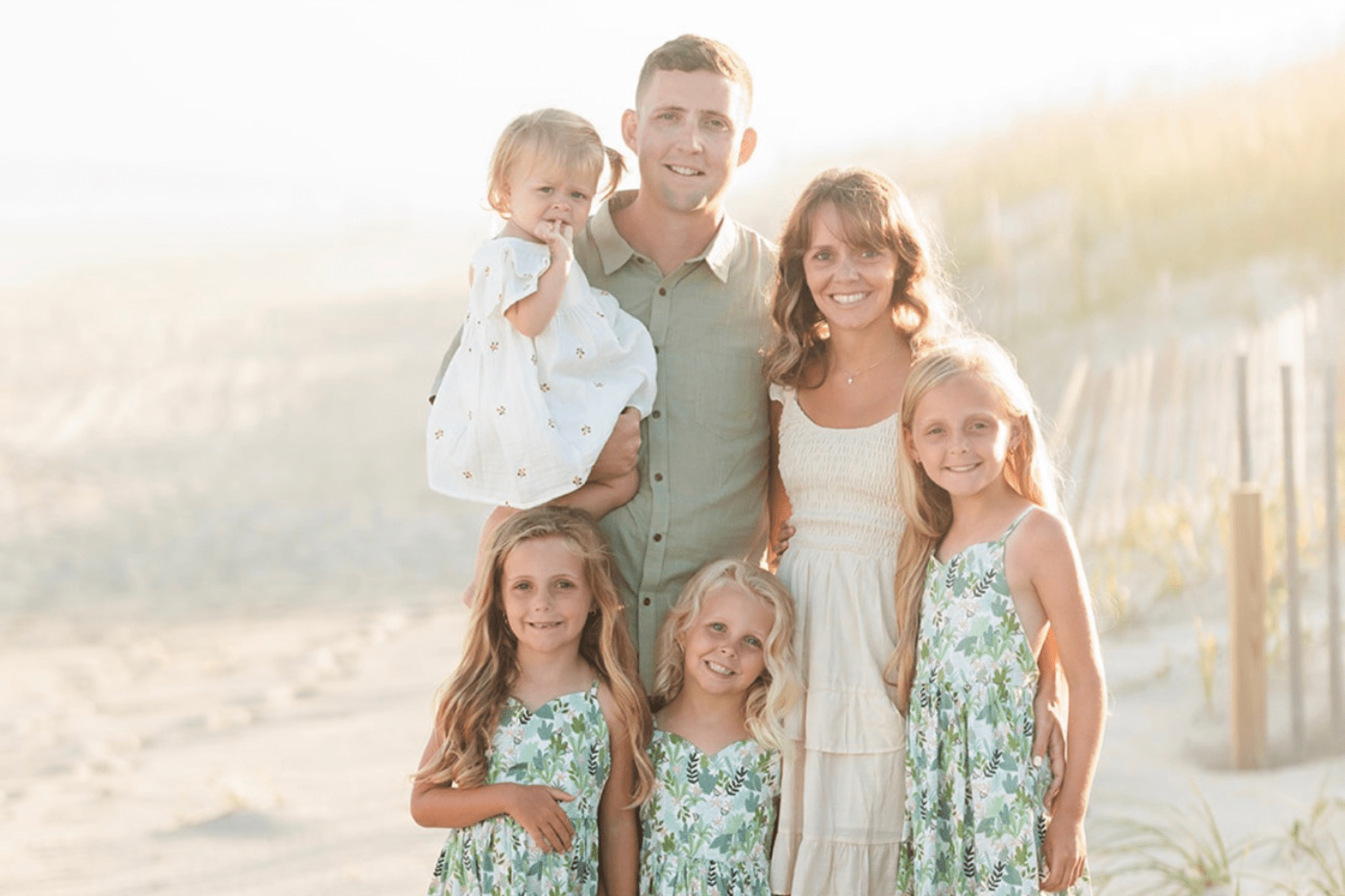
When my daughter, Nancy, began to act differently at around 15 months, I thought it was due to frequent ear infections. She seemed more unsettled and less like the happy child we knew. I hoped that fitting ear tubes would resolve this. However, the changes persisted. As parents, we understand our children best. Even when tests show normal results, a parent’s instincts can detect subtle changes.
Nancy’s symptoms were difficult to pinpoint. There were no alarming signs, just minor shifts that were hard to explain. Looking back, I realize neuroblastoma can be elusive in its early stages. The signs often resemble typical childhood illnesses. At that time, we only wanted to understand why Nancy was not herself. Seven months later, we found our answer.
The day we received Nancy’s diagnosis will always be unforgettable. We anticipated a minor issue that could be managed. Instead, we heard the term “stage 4 cancer.” The doctor informed us about Nancy’s neuroblastoma, and suddenly our world changed. The scan showed a tumor on her adrenal gland, impacting her kidney and spine, with cancer spread to her bones and eyes. It was shocking to learn that such a serious condition had been present without us realizing it.
Reflecting on every appointment and symptom, I questioned if we missed anything. Should we have pushed harder for answers? Neuroblastoma is challenging to diagnose early since symptoms often imitate common childhood ailments like ear infections or fatigue. Knowing this provides some comfort, but the sudden turn of events was still devastating.
There were moments that stand out in hindsight. At a 12-month check-up, Nancy was slightly anemic—common in breastfed babies. We introduced more iron, trusting the advice. Before the diagnosis, a limping concern arose, which tested normal on X-rays and leukemia screening. Those moments prompt wondering if further testing could have altered outcomes. With hindsight, it’s easier to question. At the time, none of these symptoms pointed clearly to cancer.
As parents, trusting instincts is crucial. Recognizing when something feels wrong is important, even without clear answers. Since Nancy’s diagnosis, everything has changed. The hardest part is the uncertainty. We want to fix things for our child, but cancer allows no such control. Our role is to be there, comfort her, and make tough decisions with the information we have.
Nancy has endured over 70 hospital nights in just over six months. With her treatment center an hour away in Norfolk, Virginia, we’ve spent countless days commuting for appointments, treatments, and scans. Home life involves managing side effects from chemotherapy, monitoring for fevers, and keeping a routine. We also strive to maintain a semblance of normal family life. Nancy has three older sisters who love her immensely. It’s challenging to balance everyone’s needs, often separated between the hospital and home responsibilities.
As a couple, staying connected is vital. We focus on communicating and supporting each other, safeguarding our family’s future. Cancer affects more than just the child; it touches relationships, work, finances, and mental health. Yet, even in difficult times, Nancy surprises us with her smiles. Her strength lifts us up, reminding us to preserve the joy of childhood wherever possible. Whether through play, arts and crafts, or family moments, we cherish these times.
Cancer has transformed almost all aspects of our lives but has also brought clarity. We appreciate time more and are unsure about the future yet remain hopeful. Grateful for our medical team, family, friends, and supportive strangers, we value each day with Nancy. We will continue fighting by her side.
Marianna Nice, based in Williamsburg, Virginia, shares Nancy’s journey against neuroblastoma on TikTok (@thehomefrontmama). She and her husband, Daniel, have a GoFundMe page to raise at least $35,000 for ongoing medical expenses. All views expressed in this article belong to the author.
Leave a Reply