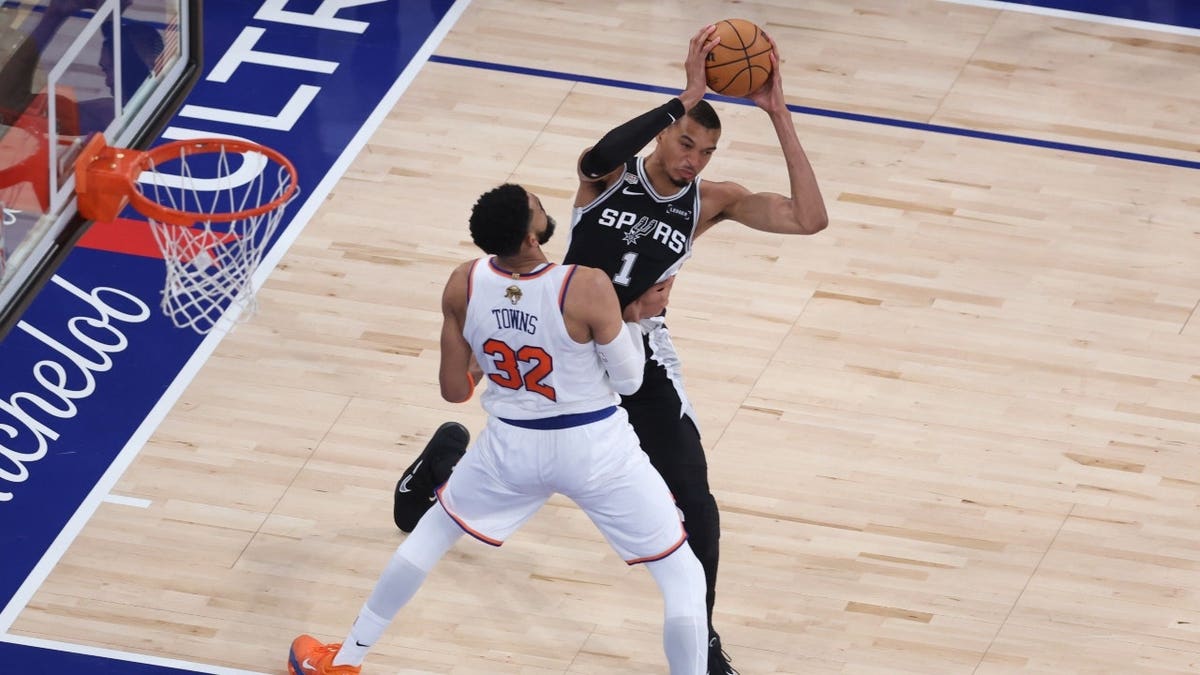
On Wednesday afternoon, ESPN shared a graphic that highlighted the viewership numbers for Game 3 of the 2026 NBA Finals between the San Antonio Spurs and the New York Knicks. This particular game reached a significant audience, averaging 23.8 million viewers. It became the most-watched NBA Finals Game 3 ever aired on ABC and ESPN since 1998. Although these numbers are substantial, there are various details that provide context for this increase in viewership.
Nielsen, the leading audience measurement system, altered its methodology last September. The new approach, named Big Data + Panel, combines information from digital devices with panel data from actual viewers. This change has provoked differing opinions regarding its accuracy but undeniably resulted in a substantial rise in audience estimates for live sports. This adjustment has led to near-record ratings across sports such as the NFL, MLB, NHL, and more, with the sole exception being the decrease in viewership of the Super Bowl’s second half.
Additionally, the NBA playoffs have witnessed structural changes. To boost viewership, first-round games were exclusively broadcast on national networks, avoiding local affiliates. Furthermore, some games shifted from cable networks like TNT to larger broadcast networks such as NBC, targeting a larger audience. These strategic moves mean comparing current ratings with those in previous years without factoring in these changes would be misleading.
Moreover, the rising usage of streaming platforms further complicates matters. Traditional TV measurement companies now incorporate self-reported streaming data, using tools like Adobe Analytics to measure viewership on digital platforms such as Peacock. However, streaming figures are often sourced differently than television ones, which base calculations on average viewers over a telecast’s duration.
Despite these complexities, the ongoing NBA Finals still demonstrate improved performance compared to recent years. This upward trend in viewership aligns with predictions made by OutKick, considering the pivotal factors surrounding the event.
New York City, the country’s largest television market, hosts the Knicks, a franchise pursuing its first championship since 1973. The excitement mixed with ticket prices comparable to the Super Bowl attracts casual sports fans. The league’s recent distancing from excessive political messaging aids in engaging fans. The NBA has made decisions that appeal to wider audiences, benefitting from these adjustments.
The presence of players like Victor Wembanyama, even though he faces challenges during high-stakes moments, signals potential for sustaining positive momentum. His role highlights the importance of strategic cultural positioning.
While the NBA’s current trajectory is promising, upcoming seasons will pose fresh challenges. There won’t always be a story like the Knicks chasing their first championship in over 50 years. Networks like Nielsen may not alter their methods frequently, so ongoing evaluation shall remain essential.
For now, amidst favorable ratings, the NBA has regained footing by welcoming varied political views and focusing on compelling on-court narratives. This balance between sports entertainment and audience engagement has allowed for growth. Nevertheless, maintaining this success will demand continued attention to both sporting and cultural elements moving forward.
Leave a Reply