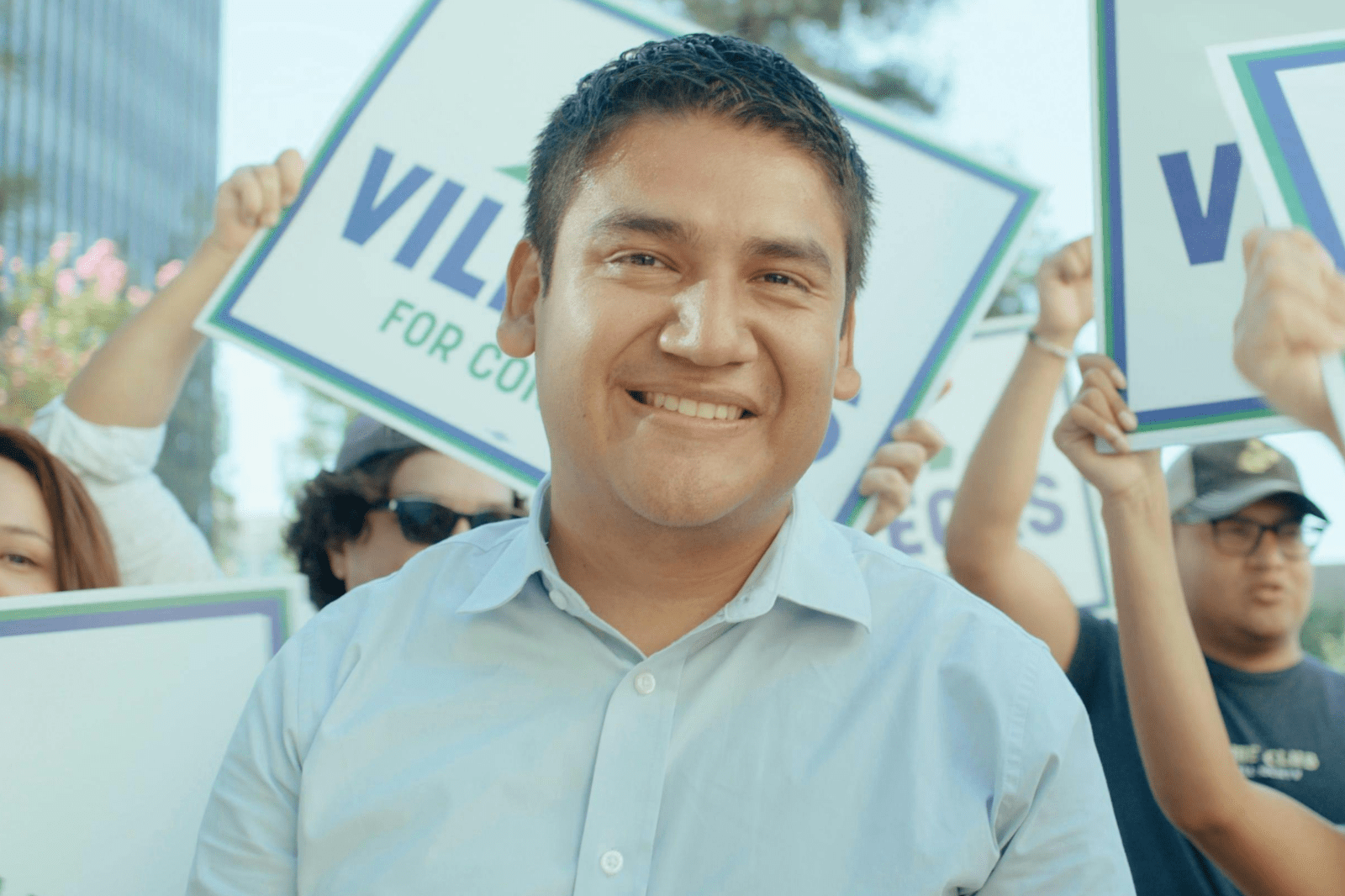
Democrats Face a Competitive Battle in CA-22
Prediction markets suggest an edge for Democrats in California’s 22nd Congressional District. This district could hold significant influence in the 2026 House races. However, underneath these predictions lies an uncertain political reality as the election will test progressive Democrats against moderate Republican incumbents in swing seats. Trading platforms show over a 60% chance of a Democratic win. Polymarket assigns a 68% probability of victory for Democrats, while Kalshi is even more bullish at 78%. Despite the district’s competitive past, signs of a potential Democratic pickup are growing.
Nevertheless, leading nonpartisan forecasters, like the Cook Political Report and Sabato’s Crystal Ball, still classify the race as a toss-up. This reflects the fragile nature of the perceived Democratic advantage.
Primary Showdown and Emerging Fault Lines
In the June 2 all-party primary, Republican Representative David Valadao and Democrat Randy Villegas advanced to the general election. Valadao led with 40.7% of the vote, followed by Villegas with 32.2%. Assemblymember Jasmeet Bains, a more moderate Democrat, garnered 27.2% and did not advance. Villegas’s advancement highlights ongoing tensions in the Democratic Party over candidate ideology and electability. Valadao’s 9-point lead demonstrates his continuing strength even in competitive environments.
The Complex Political Makeup of CA-22
California’s 22nd District has a unique political landscape. The majority Latino, relatively young population faces economic challenges such as higher poverty rates and lower educational attainment. Politically, the district has been volatile. Current district lines suggest Biden carried it in 2020, while Trump won it in 2024. These dynamics create a true battleground, resulting in analysts treating this race with caution.
Valadao’s Political Resilience
First elected in 2012, David Valadao has proven resilient in tough political environments. Despite losing his seat in 2018, he regained it in 2020 and has held it since. His ability to attract crossover appeal poses a significant challenge for progressive Democratic challengers. Valadao’s moderate image, local ties as a dairy farmer, and voting record, including his vote to impeach Trump, contribute to his enduring political viability.
Villegas and the Progressive Agenda
Randy Villegas’s candidacy is watched closely as progressives argue that candidates focused on local communities and economic issues can excel in competitive districts. Villegas emphasizes change for working people and criticizes corporate influence. Skeptics warn that a left-leaning platform could struggle with moderate voters—crucial in districts like CA-22. The outcome may offer a clear test of the Democratic Party’s internal ideological debate.
What the Prediction Markets Indicate
Markets such as Kalshi and Polymarket translate trading activity into probabilities. Currently, they show more confidence in a Democratic win. These platforms react quickly to momentum shifts and provide a sense of investor sentiment. However, prediction markets tend to be less reliable in down-ballot contests where trading is thinner.
Why Analysts Call the Race a Toss-Up
Despite the optimistic view from markets, forecasters like Cook Political Report maintain CA-22 as a toss-up. Valadao benefits from incumbency and the district has a history of party swings. Turnout patterns add further uncertainty. The clash between a moderate Republican and a progressive Democrat contributes to the unpredictable nature of the race.
Why CA-22 Matters Nationally
California’s 22nd District is critical in the battle for House control. As redistricting reshapes the political map, control of the House could depend on districts like this. The race also holds broader implications concerning the viability of progressive nominees in competitive districts and shifting Latino voter trends.
Factors Influencing the Upcoming Election
With the general election on November 3, several elements will play a role in the outcome. Fundraising and financial resources could be crucial, especially given incumbents’ typical advantages. Turnout patterns, usually inconsistent in Central Valley districts, may also be decisive. As the campaign progresses, local polling may offer more clarity, but the race is likely to remain unpredictable until the end.
Leave a Reply