A federal lawsuit has been filed in response to a new Illinois law that allows terminally ill patients to be prescribed medication to end their lives. The law, titled the End-of-Life Options for Terminally Ill Patients Act, is set to take effect in September. Plaintiffs in the lawsuit include two disabled patients, a doctor, and various disability and patients’ rights organizations. They argue that the law undermines the ethical responsibility of doctors to ‘do no harm.’
The lawsuit names Democratic Governor J.B. Pritzker, the Illinois Department of Public Health, and its director, Dr. Sameer Vohra, as defendants. Allegations include violations of federal laws such as the Americans with Disabilities Act and the Affordable Care Act. Additionally, the plaintiffs claim the law infringes upon their equal protection rights under the 14th Amendment.
Another similar lawsuit targets New York state officials, including Democratic Governor Kathy Hochul. New York’s medical-aid-in-dying law is to go into effect in August.
The lawsuit argues that EOLA (End-of-Life Options for Terminally Ill Patients Act) alters the fundamental legal framework of doctor-patient relationships. It shifts from a commitment to ‘do no harm’ to enabling physicians to prescribe potentially lethal medication. It claims that without adequate safeguards, individuals with costly or burdensome disabilities might face pressure to consent to death.
The Illinois Department of Public Health declined to comment on the matter. Governor Pritzker’s office did not provide a response to requests for comments.
Pritzker enacted the law last year, joining at least 10 other states and Washington D.C. that permit medical assistance in dying. He stated it would help avoid unnecessary suffering for terminally ill patients. However, opponents, including Pope Leo XIV, argue that it is immoral to allow someone to choose death.
The law stipulates that eligible patients must be at least 18 years old and Illinois residents. It requires an initial oral request for medication, followed by a written request, and then a second oral request after five days. Witnesses must attest that the patient is voluntarily and mentally sound in making these requests. Physicians must also offer patients information on all end-of-life care options, such as comfort and hospice care.
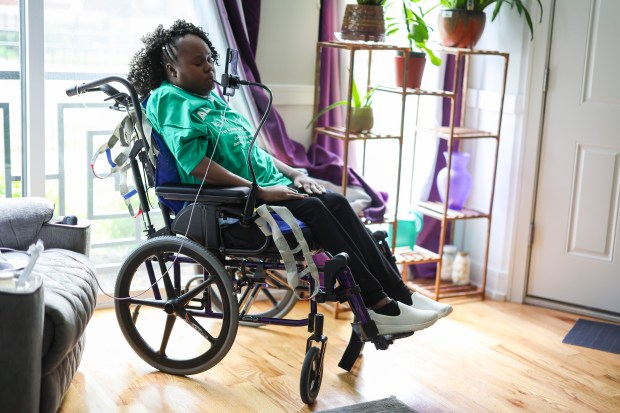
The lawsuit includes organizations like the United Spinal Association and the National Council on Independent Living. Among the plaintiffs is Ebony Payne, a quadriplegic who has faced life-threatening situations. Another plaintiff, Pam Heavens, born with cerebral palsy, points out that changes in her medical care could make her eligible under the law due to her disability.
Dr. Nooshig Luz Salvador, another plaintiff, advocates for proper communication of end-of-life options by doctors. She argues that patients often receive devastating diagnoses without adequate support or clear guidance on preserving quality of life.
Leave a Reply