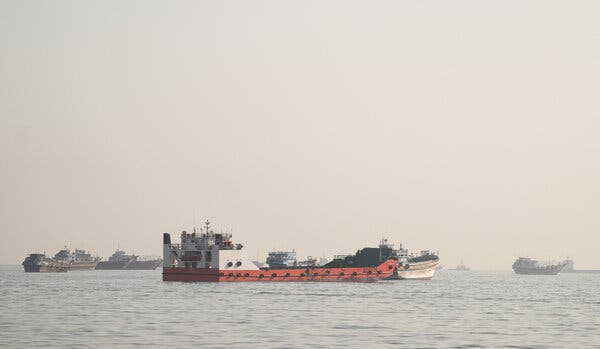
The Strait of Hormuz, a critical passageway for global energy supplies, is in the spotlight after Iran announced intentions to introduce fees for certain services in the area. This follows a statement by former President Trump assuring the strait’s permanent toll-free status.
Iran’s foreign ministry spokesman, Esmaeil Baghaei, clarified on Monday that the country does not plan to implement tolls but will charge fees for services provided. However, details on what those services entail remain unclear. Speculations suggest possible environmental assessments, but official confirmation is pending.
The distinction between tolls and fees is important under international law. Tolls are payments strictly for passage, while fees can be justified for services rendered, such as waste management or navigation assistance. Maritime law experts emphasize that calling a toll a fee does not alter its legality, and historically, the Strait of Hormuz has been free of such charges.
The conversation about fees arose after conflicts involving the United States, Israel, and Iran earlier this year. In March, Iran hinted at imposing charges, and by May, established the Persian Gulf Strait Authority to oversee the process. Discussions between Iran and Oman have considered a fee structure based on services provided to ships.
The introduction of fees in the Strait of Hormuz could increase costs and logistical complexities for commercial shipping, potentially setting a precedent for open water charges globally.
Leave a Reply