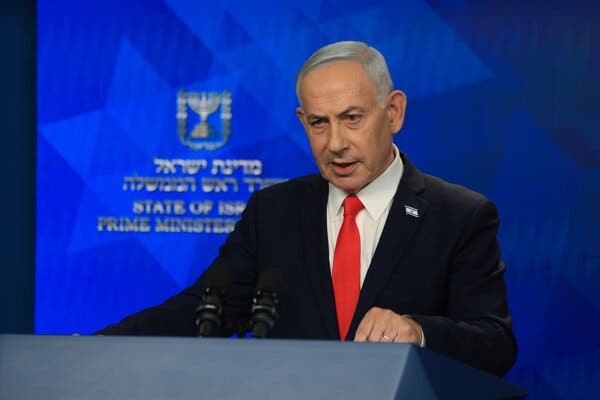
On June 15, 2026, Prime Minister Benjamin Netanyahu of Israel addressed the nation in a defiant manner. He implied that he did not consider himself bound by the newly established cease-fire agreement between the United States and Iran.
Netanyahu declared, “The struggle has not ended,” indicating potential issues for the peace arrangement. He made it clear that he had no plans to withdraw Israeli forces from Lebanon. This withdrawal is a significant demand from Iran during their negotiations with the United States.
In recent months, Israeli soldiers have been engaged in operations against Hezbollah in southern Lebanon. Hezbollah, a militant group aligned with Iran, began launching attacks on Israel in March, shortly after the onset of the U.S.-Israeli conflict with Iran. In response, Israeli forces occupied what Netanyahu calls a “security zone” and carried out bombing campaigns targeting Hezbollah positions in and near Beirut. These actions led to Iranian retaliatory strikes on Israel.
Over three months of clashes between Israel and Hezbollah have resulted in more than 3,700 Lebanese and at least 30 Israeli deaths, reports from both sides indicate.
In negotiations to conclude the war with Iran, Israeli withdrawal from Lebanon was a central Iranian demand, although Israel was not directly involved in those discussions. Israel and Lebanon have held separate talks in Washington, exploring a possible peace agreement. However, the agreement hinges on Hezbollah ceasing its attacks on Israel. Hezbollah, distinct from the Lebanese government, has rejected participating in those talks.
Leave a Reply