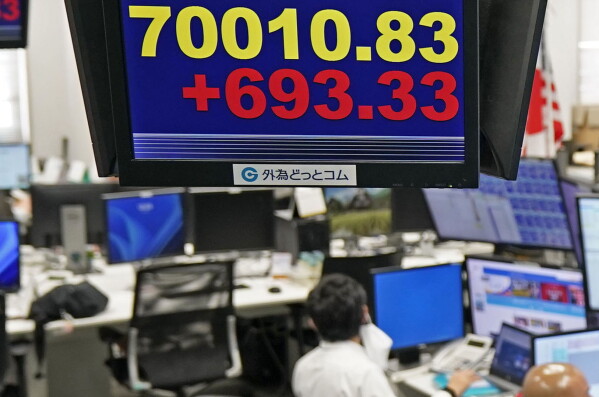
The tentative agreement to end the conflict in Iran and reopen the Strait of Hormuz could positively impact the global economy. However, even as oil prices fell on Monday, critical questions persist about the timeline and procedure for resuming oil shipments through this essential energy conduit.
The Straits’ Crucial Role
Before the conflict, the Strait of Hormuz was responsible for transporting a fifth of the world’s crude oil. Hundreds of ships remain trapped in the Persian Gulf, requiring time to navigate the narrow strait. Gulf oil producers who reduced production will also need to recommence full capacity operations. Analysts caution that ship captains may hesitate to resume navigating the strait until they are assured of its safety and a genuine reduction in threats from Iran.
Oil prices will not instantly revert to pre-conflict levels and could take weeks or months to stabilize. This timeline depends on the durability of the deal, expected to be signed soon. Details are yet to be disclosed fully.
Challenges of Resuming Oil Flow
The resumption of oil movements, even if the strait opens fully, will be gradual. Tankers need to access, load, and transport oil to Asian countries, the main customers for Gulf oil, including Saudi Arabia, Iraq, and the United Arab Emirates. A round trip to Japan requires up to 50 days. Given the volatile environment, stakeholders such as captains, insurers, and vessel owners will likely proceed cautiously. Richard Meade from Lloyd’s List highlighted the need for ensuring mine clearance for safe navigation.
Currently, ships are slowly exiting through a northern passage managed by Iran, while others navigate a southern route under U.S. oversight. Some 500 commercial vessels are still in the Gulf, and they cannot exit simultaneously.
Reopening Complexities
Amena Bakr of Kpler estimates that mine clearance may take six months, vessel movement two to three months, and production restoration another three months to reach pre-conflict levels.
The terms of an ‘open’ strait remain unclear. Iran has reportedly demanded payment for using the strait. While unconfirmed, former U.S. President Trump mentioned a ‘toll free opening.’ Differing statements from both countries reflect the ongoing uncertainty.
The implications of payment demands are significant. The U.S. and EU have labeled the Islamic Revolutionary Guard Corps a terrorist organization, complicating matters for ship owners paying tolls under current sanctions.
Legal experts emphasize that allowing Iran to control passage would breach international law, as outlined in the United Nations Convention on the Law of the Sea, which ensures free passage in territorial waters. The strait’s waters are shared between Iran and Oman.
Oil Producers’ Preparations
Middle Eastern producers halted production due to storage issues, and resuming operations is time-consuming. According to Alan Gelder at Wood Mackenzie, nations like Saudi Arabia and the United Arab Emirates, with alternate export routes, may restart quicker.
Claudio Galimberti from Rystad Energy pointed out that sentiment recovery doesn’t equate to supply recovery. Production ramp-up, logistics normalization, and risk reduction in crude prices require time.
Before restarting, countries need assurance of a sustainable ceasefire, as noted by Daniel Sternoff from Columbia University. Capital Economics projects energy flows could reach 80% of prewar levels by September.
Inflation Concerns
Even with the strait reopening, economists predict that inflation won’t decline immediately. Neil Shearing of Capital Economics anticipates sustained inflation above target levels through this year and early next, despite weak growth.
Inflation risks could increase when temporary relief measures end. Joachim Nagel of Germany’s Bundesbank noted that the country’s reduced fuel tax, effective through June 30, will eventually expire.
Germany’s central banker emphasized that achieving normal oil supply levels will take months.
Leave a Reply