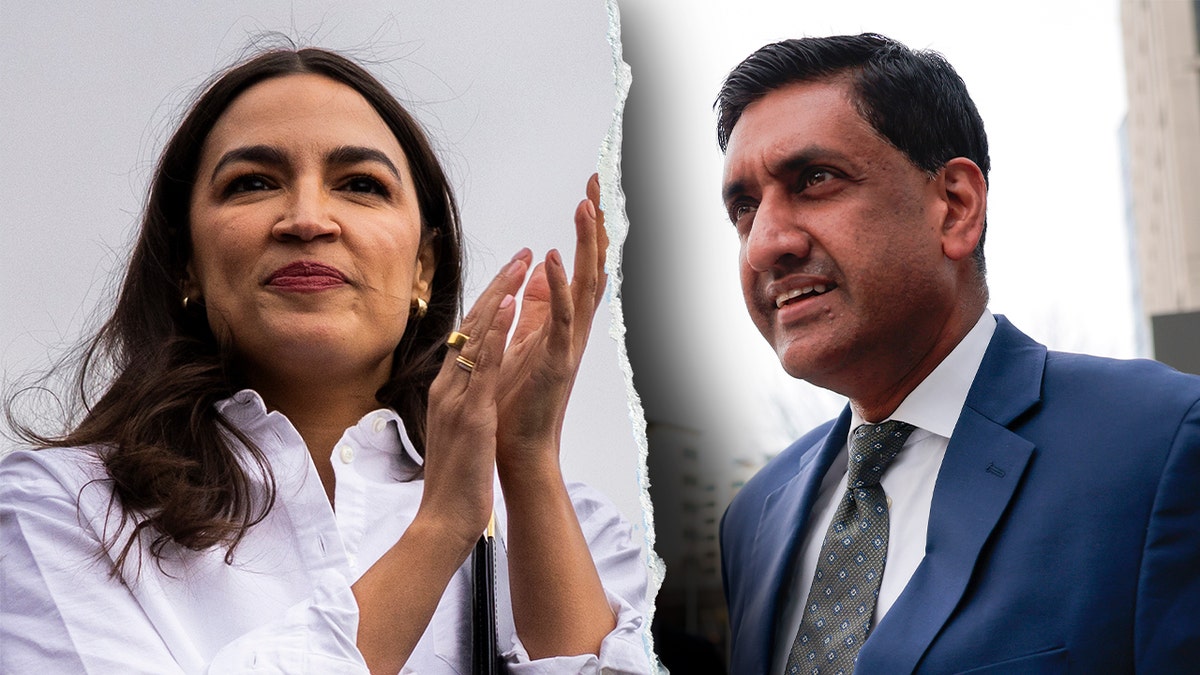
Recently, progressive Democrats have introduced a new term, the “Epstein Class,” to describe a supposed oligarchy. This term has replaced the previous designation of “The 1%.” Prominent Democrats, such as Georgia Senator Jon Ossoff and Maryland Representative Jaime Raskin, have been adopting this language, raising questions about the identity of those they accuse.
To gain clarity, I spoke with California Representative Ro Khanna, who has been a leading figure in using the term. Despite my inquiries, Khanna refrained from naming specific individuals. He did, however, provide a description:
What the Epstein files revealed is a group of powerful and wealthy men more concerned with their status and networks than decency and humanity. They were willing to overlook Epstein’s abuse of young girls to maintain their standing. This governing elite has contributed to an unequal and unfair economy.
Khanna’s statement remains vague, likening the Epstein Class to a conspiracy theory suggesting control by an unseen group. Khanna distanced himself from such conspiracies, stating:
It is symbolic for a network of powerful, rich men prioritizing their interests over civic virtue. I am not alleging a secret cabal. I reject such conspiracy.
Khanna clarified that he refers to an elite with disproportionate political influence due to their wealth, particularly post-Citizens United. This influence, he argues, mirrors economic royalism.
The term “Epstein Class” appears less connected to Jeffrey Epstein or his activities and more as a reiteration of the Occupy Wall Street critique of “The 1%.” This time, it carries connotations of child sexual abuse without direct ties.
The term’s vague nature is not solely a Democratic endeavor; figures like former Representative Marjorie Taylor Greene and others in right-wing circles also invoke it. Without evidence, they use it to attribute influence over policies and social movements.
Ultimately, the use of “Epstein Class” has become a political tool to criticize a subset of wealthy individuals involved in politics. As rhetoric escalates, the public should demand clearer definitions and examples from those using such terms.
Leave a Reply