ZURICH (AP) — The momentum for high-stakes U.S.-Iran talks faced complications on Friday, shortly after an agreement was signed to begin negotiations on Iran’s nuclear program. The talks aimed to restore oil traffic levels through the Strait of Hormuz. However, Iranian officials did not travel to Switzerland as planned. They insisted that Israeli attacks on Hezbollah militants in Lebanon must cease before discussions can proceed, according to several regional sources.
The situation remains unsettled as Israel and Hezbollah agreed to renew their ceasefire. It is unclear if this development will facilitate the resumption of U.S.-Iran negotiations. President Donald Trump criticized Iran amid ongoing violence in Lebanon and stalled talks. On social media, Trump stated, “We didn’t meet out of desperation, Iran did. They are FINISHED! We’ll play out the 60 days. They get no money, not ten cents!”
Vice President JD Vance had prepared to travel to Switzerland for technical talks with Iranian counterparts. His team and journalists were set to depart from Joint Base Andrews. In Switzerland, many White House officials and media were already awaiting the meetings. However, the trip was canceled as Iran objected to talks starting amid Israeli military actions in Lebanon.
While Vance and Iranian officials did not arrive in Switzerland, a mediator from Qatar attended. Qatar’s Prime Minister Sheikh Mohammed bin Abdulrahman Al Thani met with Swiss Foreign Minister Ignazio Cassis in anticipation of future talks.
Intensified Fighting in Southern Lebanon
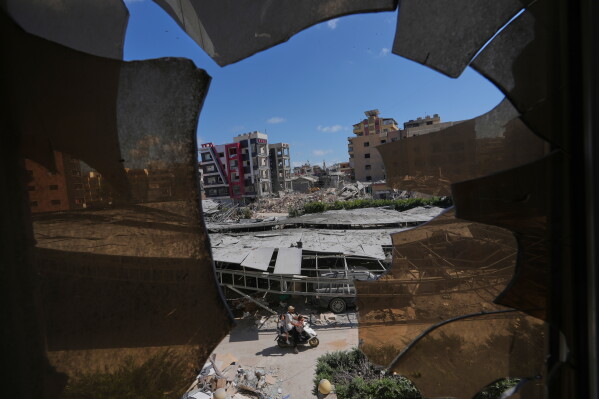
The conflict in southern Lebanon intensified with Israeli airstrikes reportedly killing at least 18 people, alongside the deaths of four Israeli soldiers. Israeli Prime Minister Benjamin Netanyahu confirmed that Israel’s military would remain in a “security zone” in southern Lebanon as necessary to safeguard their security. Though Iran insists on Israel’s withdrawal, the interim agreement only guarantees Lebanon’s “territorial integrity.”
Before postponing his travel, Vance acknowledged the uncertainty surrounding the talks. “We think these technical negotiations start sometime this weekend,” he noted, acknowledging the potential for changes.
Khamenei Supports Direct U.S. Talks
Iran’s Supreme Leader Ayatollah Mojtaba Khamenei approved direct talks with the U.S., signaling potential movement forward. In a statement via state media, Khamenei noted that direct negotiations would not mean accepting the enemy’s opinions.
Khamenei’s support indicates a strategic domestic signal, as his father’s opposition influenced prior resistance to talks. The sanctioned meeting would have still occurred with formal signing events planned, but President Trump unilaterally signed the agreement at an event in the Palace of Versailles with French President Emmanuel Macron. Iran’s President Masoud Pezeshkian signed independently.
The agreement requires Iran to dilute its stockpile of highly enriched uranium under international observation and prohibits the procurement or development of nuclear weapons. Additional commitments are yet to be defined.
Iran’s Negotiating Confidence
Iran enters the negotiations with newfound confidence after affecting global economics by disrupting the Strait of Hormuz. Rosemary Kelanic from Defense Priorities notes that the U.S. is attempting to restore pre-conflict conditions.
Neil Quilliam of Chatham House states Iran’s leadership appears self-assured, signaling they are on equal ground with the U.S. The endorsement of talks by the Iranian supreme leader communicates firm control domestically and aims to prevent internal dissent.
Political Implications for Vance
For JD Vance, the outcome of these negotiations could significantly impact his future political career. Known for critiquing foreign wars, Vance now leads efforts to conclude Trump’s controversial conflict.
Senator Roger Wicker expressed concern over deal aspects that contradict Trump’s initial goals. Trump’s critiques of the 2015 Obama-era nuclear agreement revolve around its perceived shortcomings. The current 14-point agreement mentions a $300 billion fund for Iran’s redevelopment, causing concern among some Republicans. Trump and Vance clarify that U.S. taxpayer funds will not support this fund without Iranian concessions and reforms.
Magdy reported from Cairo. Toqa Ezzidin in Cairo contributed to this report.
Leave a Reply