President Rodrigo Paz of Bolivia has declared a state of emergency. This move grants the military broad authority to dismantle road blockades. These blockades have severely affected the supply of fuel and food in Bolivia’s government seat and other key cities.
Protests over economic austerity measures, including cuts to fuel subsidies, have erupted over five weeks. Demonstrators have demanded Paz’s resignation. Violent clashes between protestors and police have resulted in at least 365 arrests and 37 injuries, according to official reports. Human rights organizations have reported at least 17 fatalities, mostly due to the lack of medical care as transport is disrupted.
Barricades have cut off La Paz, leading to shortages in fuel and food, halting transportation, and blocking patient access to hospitals. The government attributes at least seven deaths to the lack of medical access. President Paz stated, “This is not a state of emergency to restrict people’s lives. It is a state of emergency to give people back their freedom,” during a national broadcast.
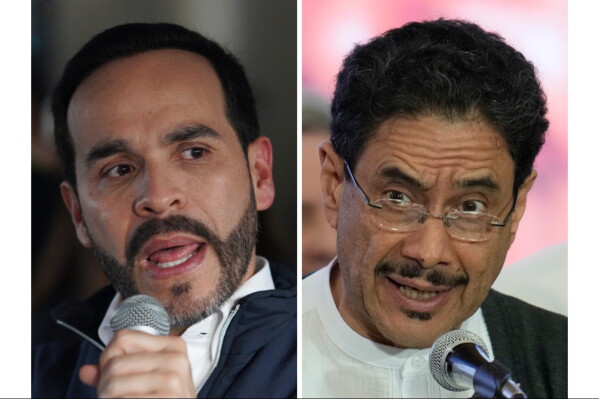
As businesses shuttered and resources dwindled, calls increased for Paz to restore order through force. Thursday night, Paz reached a pact with one labor union leader urging an end to blockades, though other protestors persist in demanding his resignation.
The state of emergency aims to guarantee fuel supplies as roadblocks trap fuel trucks. The decree bans obstruction of streets and essential routes and enables armed forces to support police in restoring order. This emergency does not infringe on due process and constitutional rights, according to the decree, and allows daily activities to continue. It is set for 90 days with potential early rescission if violence ceases.
Rodrigo Paz assumed power in November, following two decades of governance by the Movement Toward Socialism (MAS). His administration’s policies have spurred inflation. Fuel shortages were resolved with low-quality gasoline that harmed many vehicles. Legislative gridlock has stalled economic growth measures.
Indigenous and rural groups that once backed MAS and subsequently supported Paz have initiated protests, citing unmet needs. Former President Evo Morales, evading arrest on unrelated charges, has backed protests and demanded fresh elections.
The U.S. supports Paz’s administration. U.S. Secretary of State Marco Rubio assured increased U.S. assistance to relieve blockade-induced shortages. Defense Secretary Pete Hegseth condemned the protests, warning against destabilizing actions.
Isabel Debre reported additional coverage from Buenos Aires.
Leave a Reply