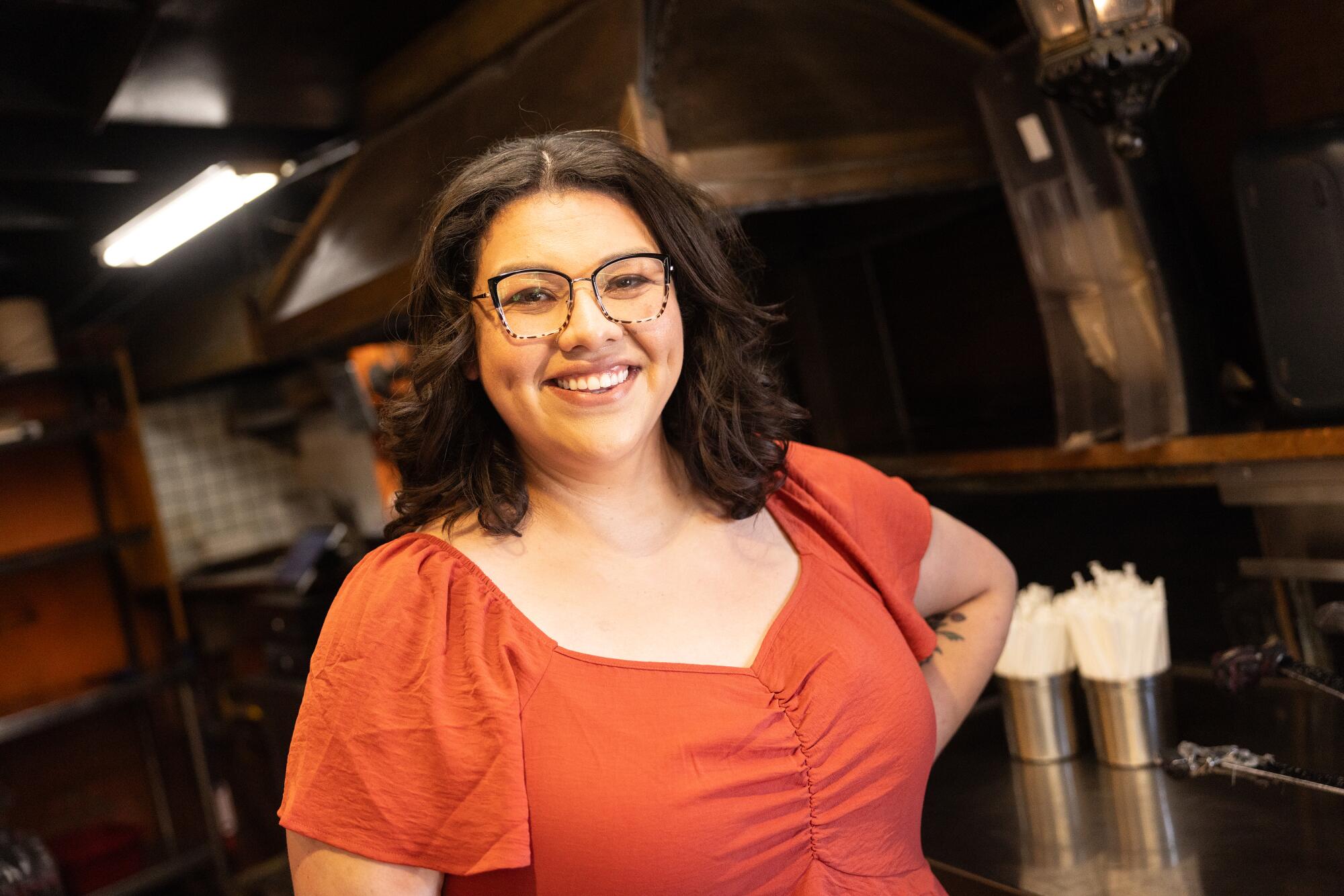
In April, Liliana Robertson, manager of the iconic Mexican American restaurant Cielito Lindo, received an anonymous tip. This led to a startling discovery: employees were reportedly skimming cash from the nearly century-old establishment. Records showed as much as $600 per shift being taken, resulting in several terminations of staff. Faced with staffing issues and electrical problems, Robertson and her cousins decided to temporarily close the restaurant on May 12.
Founded in 1937 by Robertson’s great-grandmother, Aurora Guerrero, Cielito Lindo is celebrated for its taquitos with avocado salsa. The restaurant operates on Olvera Street, a historical site where Los Angeles was born in 1781. This street is central to LA’s Mexican culture, hosting family-owned establishments since the 1930s.
Olvera Street is lined with puestos selling Mexican crafts and souvenirs. However, declining foot traffic, increasing expenses, and overdue rent have challenged Cielito Lindo and fellow businesses. Once bustling with tourists, Dodger fans, and late-night crowds, the marigold-yellow stand is now quieter.
The Legacy of Olvera Street
Olvera Street’s history began in 1926 when wealthy socialite Christine Sterling pushed to revive what was then a neglected alley called Wine or Vine Street. Sterling’s efforts led to renovations that transformed the area into a hub celebrating Spanish and Mexican culture, renamed Olvera Street in honor of Agustín Olvera.
By 1930, Sterling’s vision came to fruition. The City Council approved renovations, involving prison laborers to revamp the street by adding tile floors, trees, and vendor stalls. The revived Olvera Street opened on Easter Sunday, attracting thousands. It quickly became a popular spot for Mexican artisans and tourists. Local business owners opened storefronts and restaurants, including Cielito Lindo and La Luz del Día.
Jesus “Jack” Berber acquired the La Luz del Día grocery store in 1941, encouraged by Sterling to open a restaurant. In 1959, Berber partnered with cousin Pancho Cazares to establish La Luz del Día, now managed by Berber’s grandson Gregory Berber.
The Steady Decline of a Historic Center
Before the pandemic, Olvera Street saw 1 to 2 million visitors annually. Post-pandemic, this number has dwindled to 300,000 to 500,000 annually. Many businesses close early due to slow traffic. Some old establishments have shut down, including La Golondrina, which faced maintenance issues and significant rent arrears.
Robertson of Cielito Lindo expressed the changes: “It feels like it lost its heartbeat.” After her aunts passed away, Guerrero’s seven great-grandchildren continue the family legacy amid challenges like lawsuits, electrical and plumbing issues, and fundraising initiatives.
Despite these setbacks, the family launched a GoFundMe, receiving over $50,000. Robertson described this as overwhelming yet hopes for a positive turnaround. Cielito Lindo is offering orders for pickup and shipping while awaiting approvals for electrical renovation plans to reopen.
Visitor Decline and Financial Constraints
Merchants reported that declining foot traffic began before COVID-19. Factors like fewer employees in nearby offices, a growing homeless population, and ICE raids have hindered recovery. Gift shop owner Valerie Hanley noted consistent challenges.
Berber’s sales dropped over 50% since the pandemic, leading to layoffs. Rent arrears and repair costs burden merchants. The city owns the El Pueblo Historic Monument area, and tenants must manage rent and maintenance expenses.
Safety Concerns and Future Plans
Safety concerns have arisen due to nearby homeless populations. Robertson described security challenges. Domenika Lynch, general manager of El Pueblo since October 2025, collaborates with LAPD for street security.
Lynch’s vision for Olvera Street involves sustainable changes to attract visitors. Upcoming plans include cultural events like the El Pueblo de Los Angeles Heritage Festival during the World Cup, and Mercado Night features monthly games and entertainment.
Efforts are underway to increase diversity in retail options and raise awareness of the area’s significance. Online stories and campaigns aim to remind people of Olvera Street’s importance.
Lynch is exploring grants and partnerships to help businesses manage debts. Rent forgiveness during the pandemic proved insufficient, indicating a need for broader support.
Berber and legacy families see their efforts as more than financial. It’s a responsibility to preserve their culture and heritage. “My ultimate goal is to stay here, fight and figure out how to do it,” said Berber.
Leave a Reply