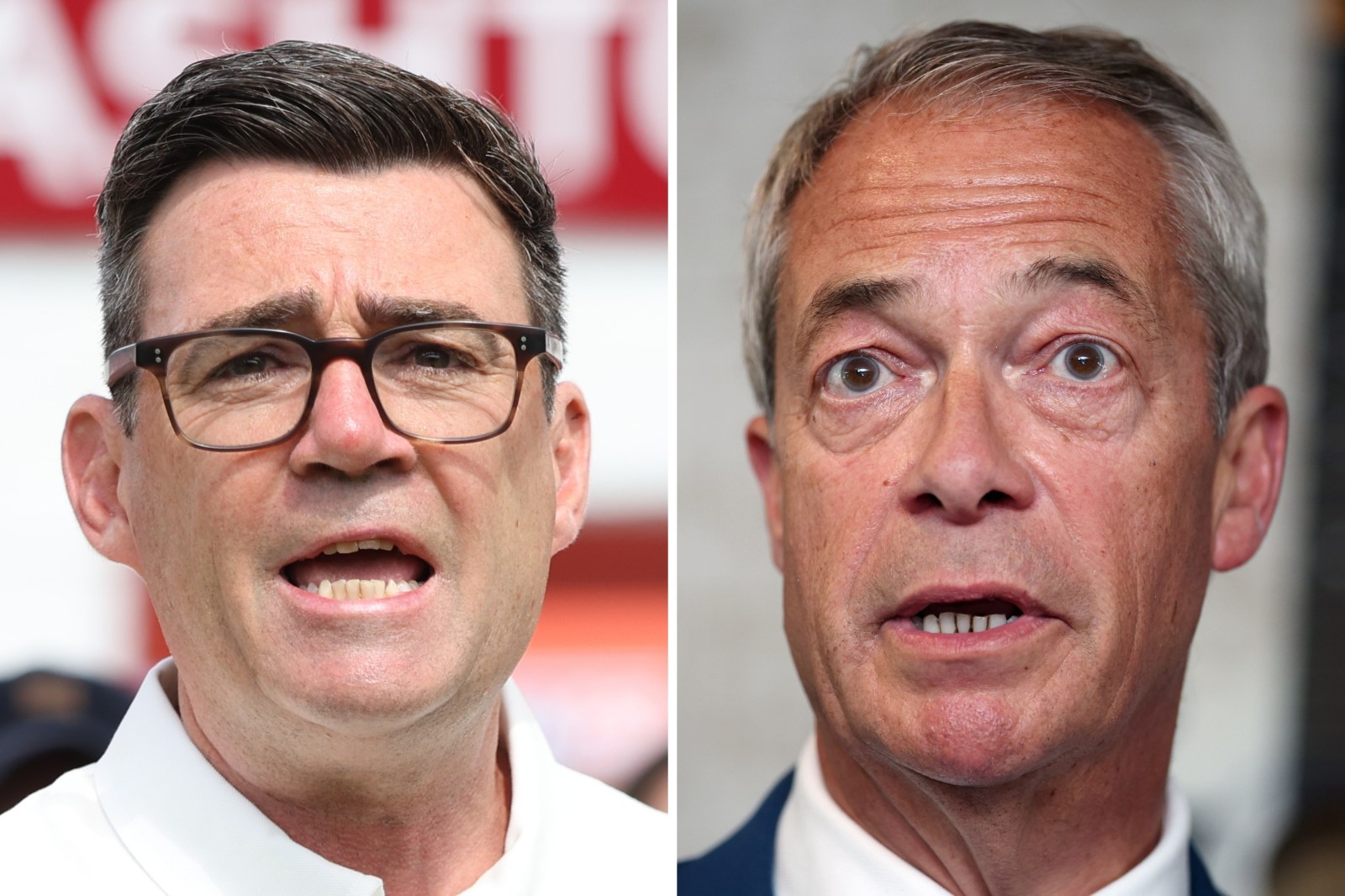
Keir Starmer’s resignation has plunged Britain into a political crisis, initiating an open succession battle within the Labour Party. Less than two years after Labour’s landslide victory, Starmer will resign as party leader, staying at Downing Street until a replacement is chosen. The UK’s political system does not require an automatic general election; Britain’s Prime Minister is not directly elected, and Labour’s strong Commons majority allows for a transition without calling on voters again.
This situation masks deeper instability. The next Prime Minister will inherit challenges: competition from Reform UK, a fragile economy, and a foreign policy largely shaped by Europe, Trump’s Washington, and strained defense commitments.
While Labour maintains governance, it no longer holds the commanding position in the country’s politics. Nigel Farage’s Reform Party leads numerous national polls and has made notable gains in local government. The Conservatives find themselves in a tussle with Reform for dominance on the right. Meanwhile, parties such as the Liberal Democrats and Greens attract anti-Conservative, pro-European, and younger Labour supporters.
Potential Replacements for Keir Starmer
The immediate front-runner to succeed Starmer is Andy Burnham, Greater Manchester’s mayor and a former Cabinet minister hailed as the most credible alternative. Burnham shows greater emotional resonance than Starmer, his roots firmly planted in northern England, making him adept at addressing issues around class, community, public services, and patriotism.
Any successor faces substantial pressure. Farage is already a pivotal figure in discussions around migration, net zero policies, crime, and Brexit. Michel Barnier, former EU Brexit negotiator, has revived debates over Britain’s European relations, suggesting the possibility of closer ties, perhaps even retaining certain opt-outs.
Trump’s Washington might not focus on Labour’s leadership drama but will gauge Britain’s seriousness on NATO, Ukraine, and defense commitments.
Consequences of Keir Starmer’s Departure
Starmer’s exit raises critical questions: Can Labour retain both metropolitan progressives and working-class Brexit supporters? Can Britain rebuild its economic ties with Europe without rekindling controversies surrounding Brexit? Lastly, can it maintain a first-tier alliance with the U.S. amid military, industry, and fiscal pressures?
Political Scenarios
A Reform Government
Likelihood: Low
A possible Reform government within a year hinges on an early general election, translating polling leads into seats, and securing either a majority or backing from other parties. Current projections show Reform as the largest party but not in the majority.
A minority Reform government could emerge through confidence-and-supply deals with Conservatives or a loose right-wing coalition. In government, Reform would prompt rapid changes—EU relations might stagnate or reverse, and immigration laws could harden.
The rapport with the U.S. might rhetorically improve under Trump, yet demands for increased defense spending and NATO commitments would persist.
Snap Election Leading to a Reform-Led Hung Parliament
Likelihood: Low to moderate
An election motivated by either an internal Labour split or a mandate-seeking Burnham, though unlikely given Labour’s significant Commons majority.
If elections occurred, Reform might emerge as the largest party. PollCheck predicts Reform gaining 273 seats against Labour’s 128, the Liberal Democrats’ 77, and Conservatives’ 72—a political shakeup but not a Reform majority. Tactics against Reform could cost them significant seats.
Makerfield showcases Reform’s strength amid Labour’s territory, while anti-Reform voters rally behind strong challengers.
Economic Challenges for Burnham
Likelihood: Moderate
The economy may trap Burnham’s government rather than parliamentary challenges. Warning signs persist: CPI inflation held at 2.8% in May, services inflation increasing, with debt interest reaching record highs.
The fiscal situation restricts populist relaunch efforts. Burnham faces demands for increased spending on public services while maintaining fiscal discipline. Defense commitments are particularly challenging amid NATO allies’ increased spending requirements.
U.S. commitments, including AUKUS expansion and substantial defense pledges, add further fiscal pressure.
Burnham Survives—But Reform Dictates the Agenda
Likelihood: High
Burnham might endure as Prime Minister, but Reform continues dominating political discussions.
Reform achieved significant local election victories, gaining numerous councilors and councils, while Labour faced substantial losses.
Immigration remains a contentious issue, with net migration dropping sharply but small boats painting a chaotic border situation.
Burnham may adopt a stance echoing Reform’s views on asylum, trading with the EU, and economic security.
Despite EU progress, discussions are cautious. Barnier’s remarks offer the possibility of rejoining the EU with crucial economic ties outside the bloc.
Burnham Stabilizes Labour Without Transforming the UK
Likelihood: Highest
Burnham could become Prime Minister, avoiding immediate elections and grounding the government.
His appeal was evidenced in Makerfield, where he carried a positive by-election result.
Personal polls present Burnham as favorable over Starmer, with voters perceiving him as likable and relatable.
The term ‘success’ here implies stabilization rather than revival. Economic indicators show modest growth, with GDP and forecasts revealing weak expansion.
The UK might edge closer to the EU through pragmatic agreements like food regulation, mobility, and emissions. Still, rejoining remains outside the scope.
The U.S. partnership could experience continuity with adjustments. Burnham likely strengthens positions on immigration and energy while holding firmly to key alliances.
This outcome is most plausible: Burnham staving off Labour’s decline.
Potential for Burnham’s Success or Collapse
Burnham’s potential lies in regaining voters while maintaining market stability. A formal collapse seems unlikely due to Labour’s Commons strength, yet political disunity may arise if a budget fails or migration debates reignite.
Economic recovery remains slow, unlikely to invigorate Labour independently. The landscape features low growth, persistent inflation, and high debt, burdening public spending.
Britain’s Outlook in Mid-2027
Britain likely remains with Burnham in Downing Street, avoiding general elections, limited EU collaborations, stable U.S. relations, and Reform retaining significant political momentum—without constitutional chaos.
The former two-party system seems fractured: Labour maintains parliamentary presence while Reform drives forward. Conservatives pursue relevance amid a weak economy complicating political strategy.
Starmer’s resignation symbolizes a pivotal shift where Reform’s governance becomes a conceivable reality.
Leave a Reply