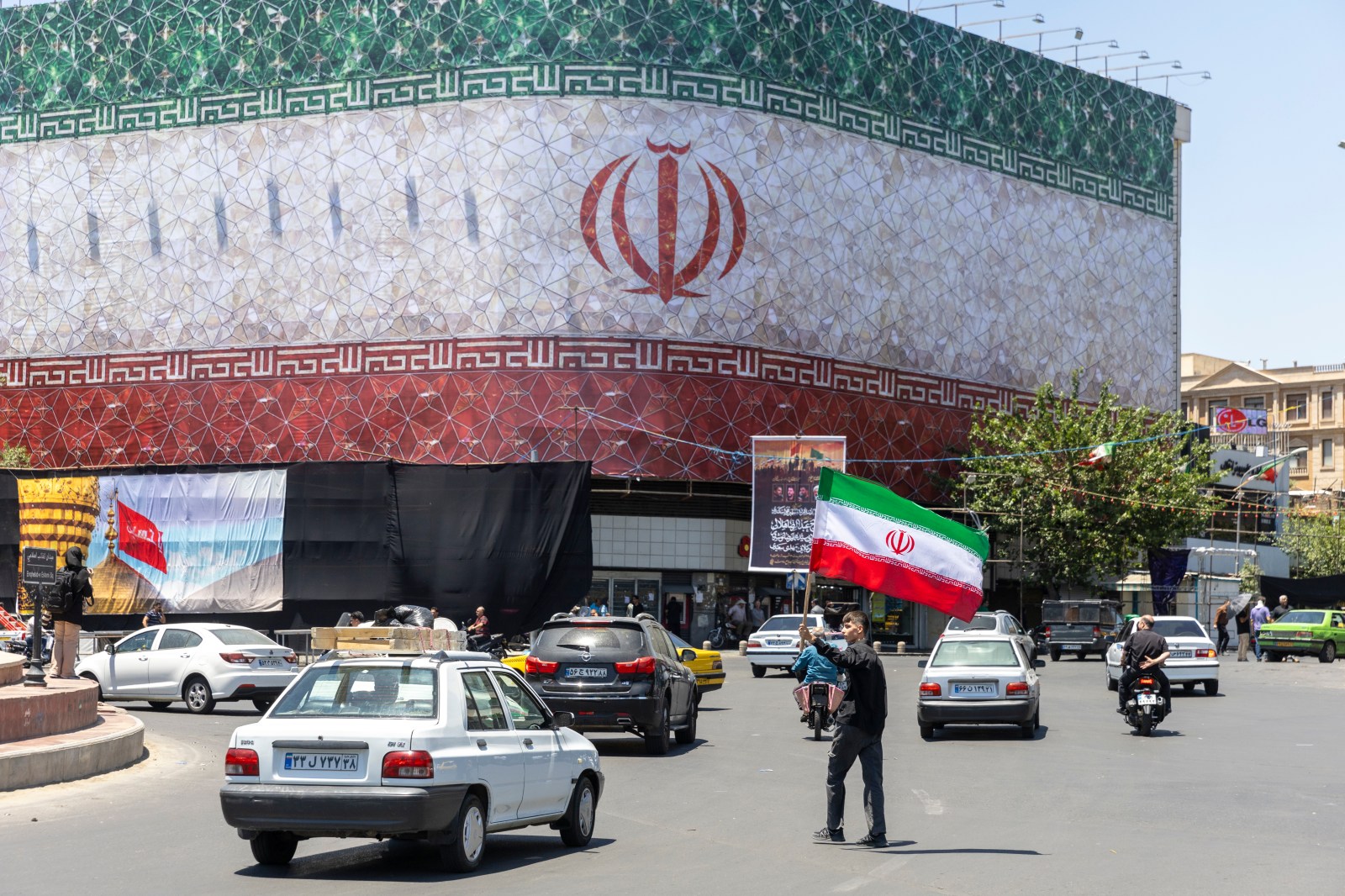
Progress in U.S.-Iran Talks
Recent discussions between U.S. and Iranian officials signal progress toward resolving their prolonged conflict. Both nations aim to convert battlefield successes into long-term diplomatic advantages. Tehran has managed to keep its fundamental demands on the table, leveraging its position against a powerful adversary that threatens renewed hostilities should negotiations falter.
Masoud Rezaei
, a senior visiting fellow at the Center for Middle East Strategic Studies in Tehran, says Iranian decision-makers view the recent memorandum of understanding not as a final victory, but as a strategic development that reinforces Iran’s status as a significant player in regional and international security.
The memorandum signifies more than immediate technical results; it follows a period of direct military engagement and rising tensions. According to Rezaei, this sequence is understood within Iran as a testament to their enduring strategic narrative that pressure, sanctions, and military coercion enhanced Iran’s regional role, ultimately bringing other parties back to negotiations.
Yet there is caution. Concerns persist about future negotiations with the Trump administration and the reliability of any agreements. These worries stem not only from Trump’s stance but also from Iran’s historical experiences.
The Importance of Historical Context
The Iran-Iraq War from 1980 to 1988 is a pivotal point in Iran’s history. Saddam Hussein invaded Iran, hoping to exploit perceived instability after the Islamic Republic was established. However, Iran reversed the tide and captured the strategic Faw Peninsula in 1986. This seemed to assure victory, but when the United Nations proposed a ceasefire in 1987, Iran refused. This decision backfired as Iraq regained momentum, forcing a truce on less favorable terms for Iran.
The captured Faw Peninsula became a critical aspect of the negotiations. By 1988, after losing the peninsula, Iran accepted the UN resolution it had previously rejected. Rezaei suggests the primary lesson from this situation is the need for military gains and political leverage to produce diplomatic outcomes under favorable conditions.
Today, similar concerns echo regarding Iran’s prolonged confrontation with the U.S. and Israel. After demonstrating resilience, Tehran cautiously approaches negotiations, prioritizing strategic consolidation over exhaustion.
Current State of Negotiations
Unlike the war with Iraq, territorial control is not the central issue in recent U.S.-Iran disputes. The Persian Gulf’s future remains crucial. Iran’s attempts to control the Strait of Hormuz have pressured U.S. markets, pushing the topic to forefront discussions.
The recent memorandum included a Hezbollah-Israel ceasefire. Despite threats from the Islamic Revolutionary Guard Corps to close the Strait of Hormuz, the ceasefire commenced amid Israeli concerns. Reports suggest Iranian negotiators briefly walked out of talks, yet Vice President JD Vance later confirmed continued progress.
The easing of U.S. oil sanctions indicates satisfaction with negotiations. Iran accepted nuclear site inspections, contradicting long-standing denial of ambitions for nuclear weapons. While extracting or destroying Iran’s uranium stockpile remains challenging, further negotiations hope to address these targets.
Iran’s Financial Demands and Internal Challenges
The memorandum outlined Iran’s monetary demands, including the release of frozen assets and establishment of a $300 billion reconstruction fund. The U.S. ensures these will not burden its taxpayers, mindful of public dissatisfaction regarding the conflict’s costs.
Domestically, Iran faces significant challenges. The Economy’s poor condition and regime’s credibility gaps require restoration efforts, including infrastructure repairs and reforms to invigorate business sectors.
Politics complicates the situation, with divisions among reformists and hard-liners. President Masoud Pezeshkian’s moderate stance may gain strength from successful deals. Rising hard-power advocates within the IRGC and clerical circles, however, argue for a robust posture.
Mohammed Bagher Qalibaf, now leading negotiations, illustrates emerging power dynamics. Once unified by warfare, Iranian leadership now faces debates over governance, centralizing power, and defining roles within the regime.
The negotiations symbolize shifting priorities where strategic debates on power transition engage Iran’s leadership amid a delicate time of consolidation.
Leave a Reply