Celebrating 250 Years of Independence
On July 4th, Americans will commemorate the 250th anniversary of the United States. For two and a half centuries, the nation has stood as a symbol of hope for those seeking freedom, including rights listed in the Bill of Rights, such as religion, speech, and assembly. This enduring promise of freedom continues to draw millions seeking to pursue the American Dream.
Defining the American Dream
The term “American Dream” emerged in 1931 when historian James Truslow Adams described a society where anyone could achieve their ambitions, regardless of background. This idea provided hope during the Great Depression and remains relevant today.
Many individuals exemplify this dream. A cab driver from Egypt, whose son is now earning a master’s degree in engineering, and a Chinese doorman whose daughter recently became a doctor, reflect stories of aspiration. New immigrants from countries like Cuba and Yemen embrace their newfound freedom, questioning why many Americans do not fully appreciate the opportunities available.
Political Debates on the American Dream
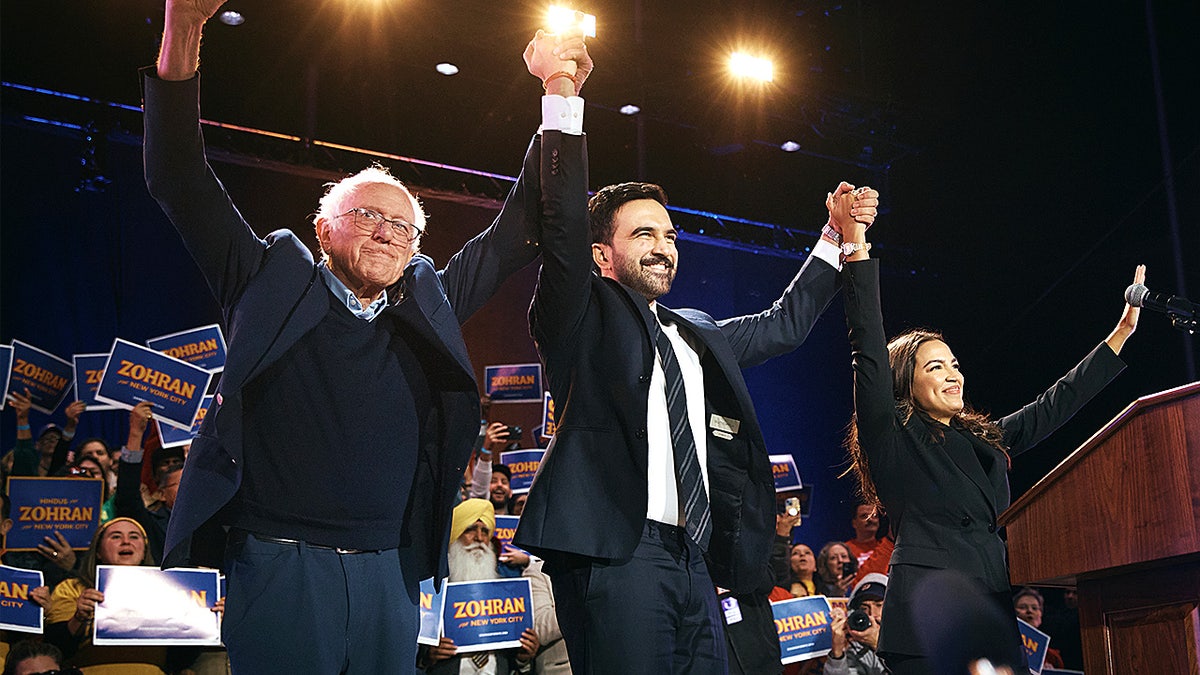
A debate exists over whether the American Dream is attainable. Some politicians argue the system is unfair. During his “Oligarchy Tour,” Bernie Sanders stated the Dream has “turned into a nightmare,” accusing billionaires of manipulating the system. Alexandria Ocasio-Cortez echoes these sentiments, claiming the right wing’s agenda undermines working- and middle-class Americans.
A Gallup poll by the Milken Center reveals a decrease in belief in the American Dream’s attainability, with only 46% agreeing everyone has the opportunity to achieve it, down from 51% in 2024.
The Impact of the American Dream
The belief in endless possibilities spurs innovation and entrepreneurship. Elon Musk, originally from South Africa, saw America as ideal for advancing electric vehicles and space exploration. Google co-founder Sergey Brin arrived in the U.S. from Russia, driven by his father’s concerns over antisemitism. Countless others come with little, hoping to realize their potential.
Mainstream stories of ordinary individuals achieving the Dream are common. A Hasbro executive, Matt Proulx, from a family that adopted numerous foster children, shares how his parents’ love provided opportunities, leading many to success. He reflects, “I live it every day. I literally had nothing. Came from dirt.”
Challenges Ahead
While many attain the Dream, barriers remain, particularly educational shortcomings. In New York, over half of Black children struggle with literacy, limiting their opportunities. Critics argue that political priorities often prioritize fundraising over children’s futures.
Why might some undermine belief in the Dream? Some suggest it centers around power. Building a large welfare state and overseeing its beneficiaries provides politicians influence, contrasting with self-sufficient individuals who need less government support.
Looking Forward
Will America thrive for another 250 years? This relies on adhering to foundational principles, ensuring hard work fuels the economy while supporting truly needy segments of society. As fireworks explode and bike parades unfold, the nation celebrates enduring values that have long captivated international admiration, hoping to preserve them into the future.
Leave a Reply