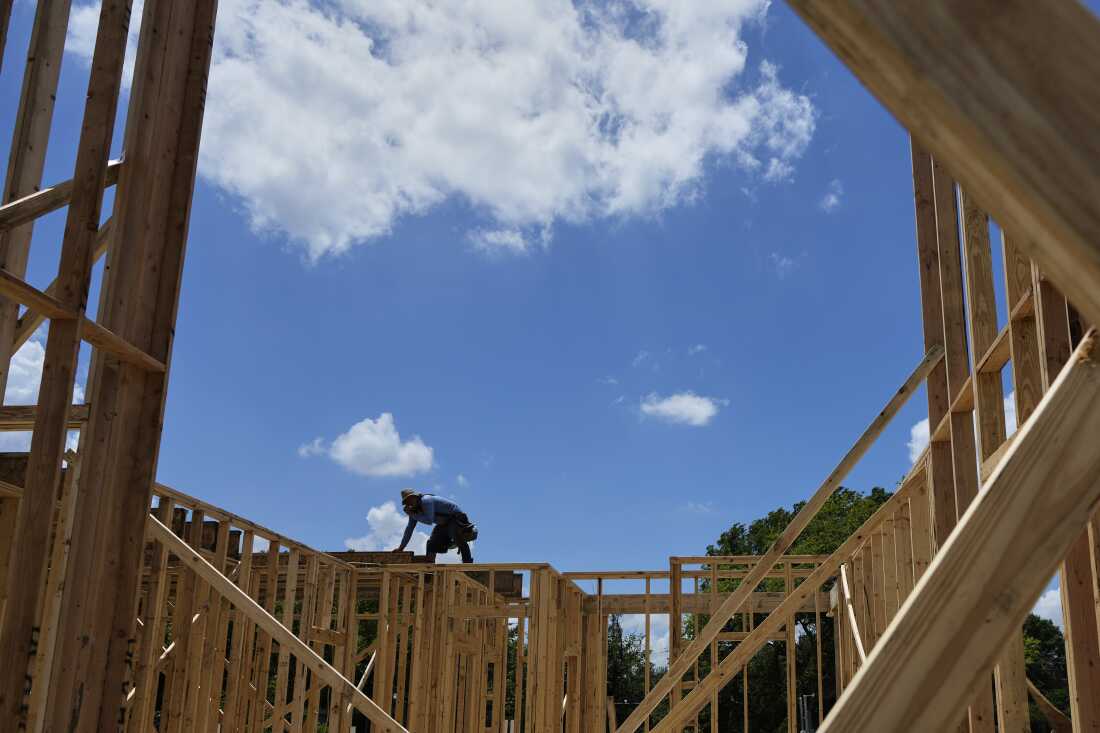
Workers were seen on the roofing structure of a new home in Richardson, Texas on July 15, 2025. Amid growing concerns, Washington’s lawmakers are focusing on making homeownership more affordable. The House recently passed the 21st Century Road to Housing Act by a vote of 358 to 32. This significant legislation, supported by the Senate earlier, awaits President Trump’s approval.
Senator Elizabeth Warren of Massachusetts, a co-sponsor of the bill, emphasized Congress’s priority on housing affordability. She noted that constituents constantly express urgency in reducing home prices. Multiple factors have contributed to housing being unattainable for many. Redfin, a real estate broker, reported that an average family now needs an income of approximately $117,000 to buy a typical home, which is far above the median household income.
Increasing mortgage rates, presently averaging 6.5%, have added to homeownership costs. Inflation has further eroded purchasing power. However, the core issue targeted by the bill is the shortage of housing supply, as estimated by Realtor.com, indicating over 4 million homes are lacking.
A major provision in the bill aims to combat corporate investors purchasing homes for rental purposes. The restriction prevents these entities from acquiring more if they already possess 350 or more properties. Though divisive, some see this move as preventing corporate landlords from outbidding families in cash offers on homes.
Despite comprising only 3% of the single-family rental market, critics argue the ban might deter investment in housing stock, which is needed to enhance supply. Ross Marchand of the Taxpayers Protection Alliance warned of the potential investment suppression. Nevertheless, Warren highlighted problematic investments in areas like Atlanta.
The bill also streamlines regulatory processes for builders. It eliminates redundant environmental reviews for certain projects and supports communities in creating ‘pattern books’ to speed up building approvals. Furthermore, modifications allow manufactured homes to shed the requirement for a permanent chassis, potentially reducing costs and fostering adaptable designs.
Kate Wood from NerdWallet noted that removing the chassis requirement could cut construction costs significantly compared to traditional stick-built homes. The bill also incentivizes local governments through federal funding to encourage rapid housing development.
While federal legislation influences some aspects of housing development, local governments and private builders hold significant sway. Challenges such as labor and supply costs, along with mortgage rates decisions, remain external factors. Nevertheless, the legislation represents a substantial federal effort toward improving homeownership accessibility.
Amanda Crist from Greater Nashville Realtors highlighted the necessity of affordability improvements amidst the dream of homeownership becoming elusive for many. Senator Warren remarked that after decades of inaction, the federal government is making strides to address housing costs.
Leave a Reply