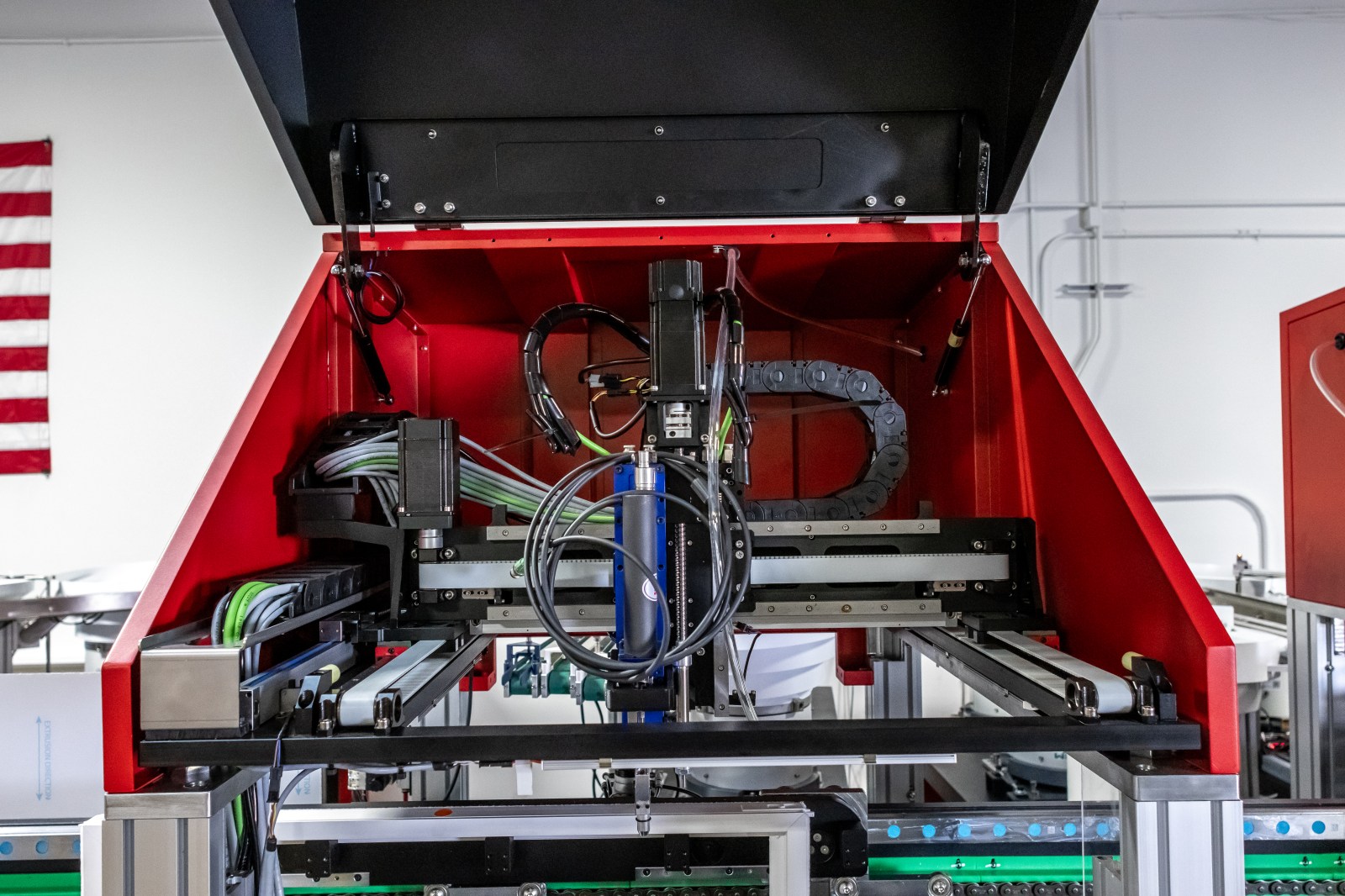
AI faces both overestimation and underestimation in current discourse. The focus often lies on what models generate or simulate. However, the crucial development is AI’s forward leap into robotics and advanced manufacturing. These sectors involve complex systems handling real-world tasks.
The Integration of AI and Robotics
Tough questions arise on AI’s role with robotics. How will these technologies collaborate effectively? How will they function in environments prioritizing safety and accountability? Identifying responsibility when failures occur is also crucial.
This week, Edinburgh is the stage where Launchpad Build AI, based in California with operations in Edinburgh, is hosting ‘World of Tomorrow.’ The event gathers leaders from various sectors including industry, government, defense, and investment.
From Theory to Application
Real-world deployment of AI and robotics is advancing. With faster inference speeds, AI models become more affordable and easier to implement. Companies like NVIDIA and TSMC are developing the infrastructure to support industrial-scale robotics.
Manufacturers are integrating AI into warehouses and assembly lines. Here, machines must analyze and act promptly. Economies face workforce shortages. For instance, the U.S. has 1.7 million fewer workers since February 2020, as reported by the U.S. Chamber of Commerce.
Economic and Strategic Implications
Economic conditions push AI adoption. In the U.K., firms plan to invest heavily in reindustrialization. Supply chains, still fragile, highlight this need. Lloyds Bank reported that 37% of U.K. businesses experienced supply chain issues due to volatile trade conditions.
For the U.S. and European governments, the focus extends beyond productivity. They look to maintain resilience and protect industrial capacities. The increasing competition over critical technology makes this vital. Jon Quick, CEO of Launchpad Build AI, emphasized the complexities in AI and manufacturing conversations. A clear pathway remains elusive.
The New AI Landscape
In industries like manufacturing, logistics, and defense, new systems contend with unreliable inputs and outdated technology. Automotive production, warehouse automation, and industrial inspection showcase these challenges. Integrating AI without disrupting existing processes is a priority.
There are risks associated with mishaps from AI systems on the production floor. Unlike chatbots, which fail without major consequences, manufacturing AI failures could halt production and risk safety.
The Importance of ‘World of Tomorrow’
This event in Edinburgh, drawing 50 influential figures, underscores the importance of stakeholders: companies like Nvidia and TSMC, defense and tech leaders, and investors like J.P. Morgan and Bain.
The discussions aim to clarify AI’s real-world capabilities on factory floors and consider liability and intellectual property implications. Future success will favor those who make AI practical in physical settings, rather than captivate audiences with lofty assertions.
Leave a Reply