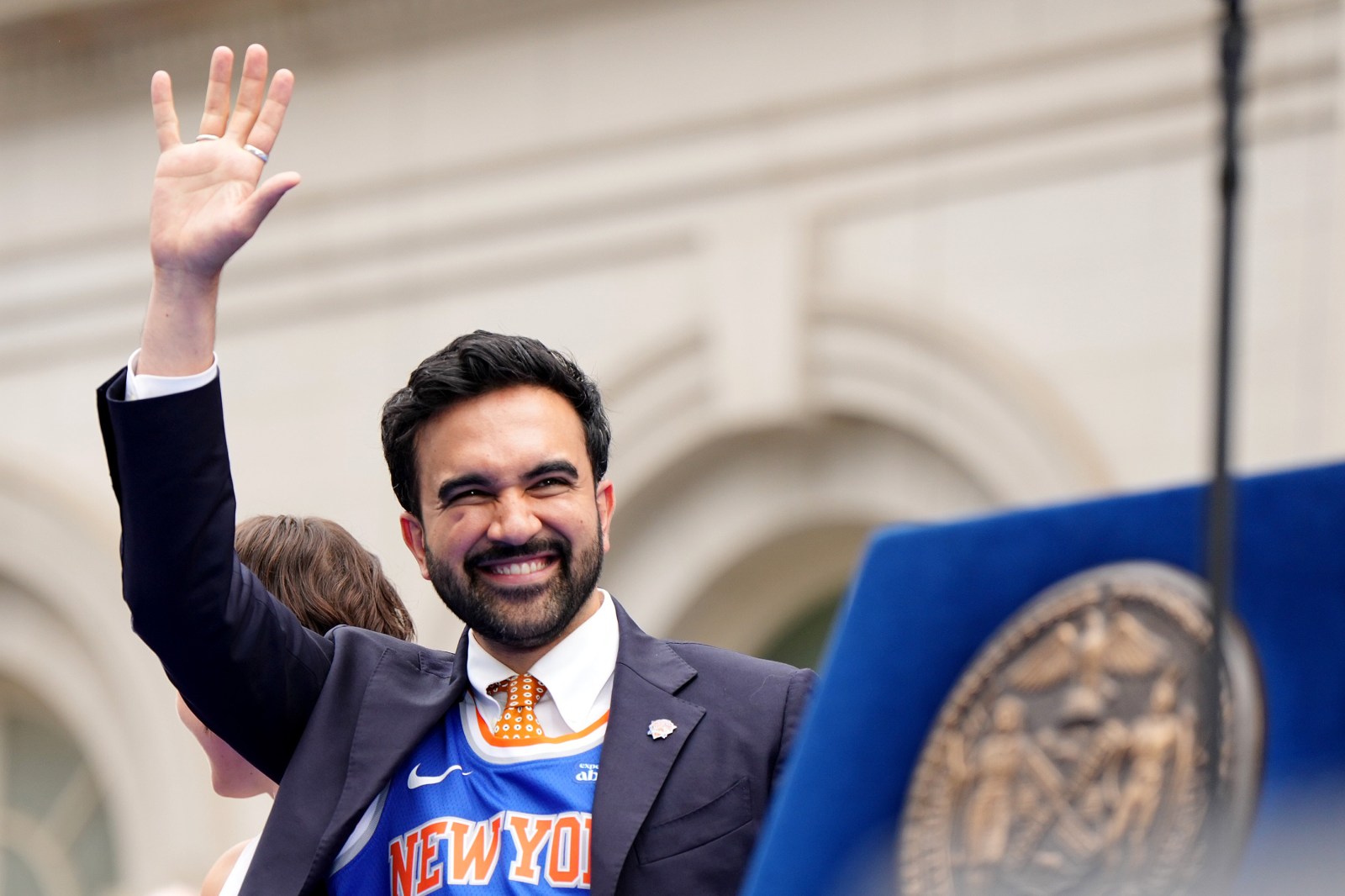
The recent New York congressional primaries became more than a simple series of House contests. They served as a referendum on influence within the Democratic Party’s largest city. It was a battle between the traditional establishment led by House Minority Leader Hakeem Jeffries, and the progressive movement spearheaded by New York City Mayor Zohran Mamdani.
Three candidates endorsed by Mamdani achieved victory in their primary races, indicating a potential shift from establishment Democrats to a more progressive faction. Van Jones, former adviser to President Barack Obama, commented on CNN that if Mamdani scored the “hat trick,” it would signal “a new era in Democratic Party politics.” Jones remarked that the establishment’s grip on the Democratic Party was weakening.
Who Has Zohran Mamdani Endorsed in New York Primaries?
Mamdani has thrown his support behind challengers in three congressional races, turning these contests into struggles over the Democratic Party’s direction. He aims to translate his success as a democratic socialist assemblyman-turned-mayor into broader political influence.
He endorsed Brad Lander against Representative Dan Goldman in the 10th Congressional District, Darializa Avila Chevalier against Representative Adriano Espaillat in the 13th District, and Claire Valdez in the race to replace Representative Nydia Velázquez. The Associated Press called victories for Lander and Valdez, while Chevalier also emerged victorious.
Mamdani’s surprising ascent in local politics and his efforts signal a push for candidates with a focus on affordability, housing costs, and economic equality. The goal is to reshape both New York’s congressional delegation and the Democratic Party.
Who Has Hakeem Jeffries Endorsed in New York Primaries?
Jeffries, as House Democratic leader, primarily focuses on protecting incumbents and keeping the party cohesive. This often puts him in opposition to primary challengers from the left. He endorsed Goldman and Espaillat, positioning him directly against Mamdani in these key races.
This ideological divide underscores differing strategies. Jeffries advocates for maintaining a broad coalition to win competitive districts, while Mamdani envisions a progressive agenda centered on economic populism.
The showdown highlights both men’s roles as emerging national leaders from New York, each drawing strength from distinct constituencies. Jeffries relies on established relationships with the Democratic establishment, while Mamdani mobilizes grassroots support, including young voters and labor activists.
What New York Means for Democrats Nationwide
The Mamdani-Jeffries rivalry symbolizes long-standing tensions in New York Democratic politics. Mamdani’s election accelerated challenges to established party structures, while Jeffries defends institutional integrity.
The primaries spotlight other national divisive issues, such as U.S.-Israel relations. Differences on foreign policy elevated tension between incumbents and challengers, drawing attention from national political groups.
The foreign policy divide is evident in Goldman vs. Lander’s contest. Goldman supports Israel’s actions and seeks peace, while Lander draws progressive support with his critical stance. These differing views have national ramifications.
Mamdani’s broader project targets lawmakers seen as insufficiently critical of Israel during Gaza’s war. This adds further controversy in races, questioning progressive activism’s impact on incumbents in deep-blue districts.
The outcomes of these races may influence Democratic strategies and narrative, noting shifts toward progressive or establishment ideologies.
Results Signal Challenges for Establishment Democrats
Thomas S. De Luca Jr., political science professor at Fordham University, told Newsweek that the establishment’s position is a “game on” challenge rather than a guard change. A larger shift may occur in the 2028 presidential race or when Democratic Senate leader Schumer faces reelection.
Mamdani’s candidates’ victories symbolize growing desire for change and progressive demands. Discontent with established politics enabled Mamdani’s rise.
Profound differences on issues like support for Israel suggest shifting voter preferences, even “burning” figures once shielded by strict party norms.
Despite high stakes, the contest between Mamdani and Jeffries isn’t entirely zero-sum. Both are influential Democrats with mutual aims to defeat Republicans and advance party goals. Yet, recent victories by Mamdani-backed candidates could bolster narratives of progressive momentum.
No single primary decides the Democratic Party’s future. However, these races may indicate a shift in New York’s political center, potentially affecting how party strategy unfolds toward the 2026 midterms and beyond.
Leave a Reply