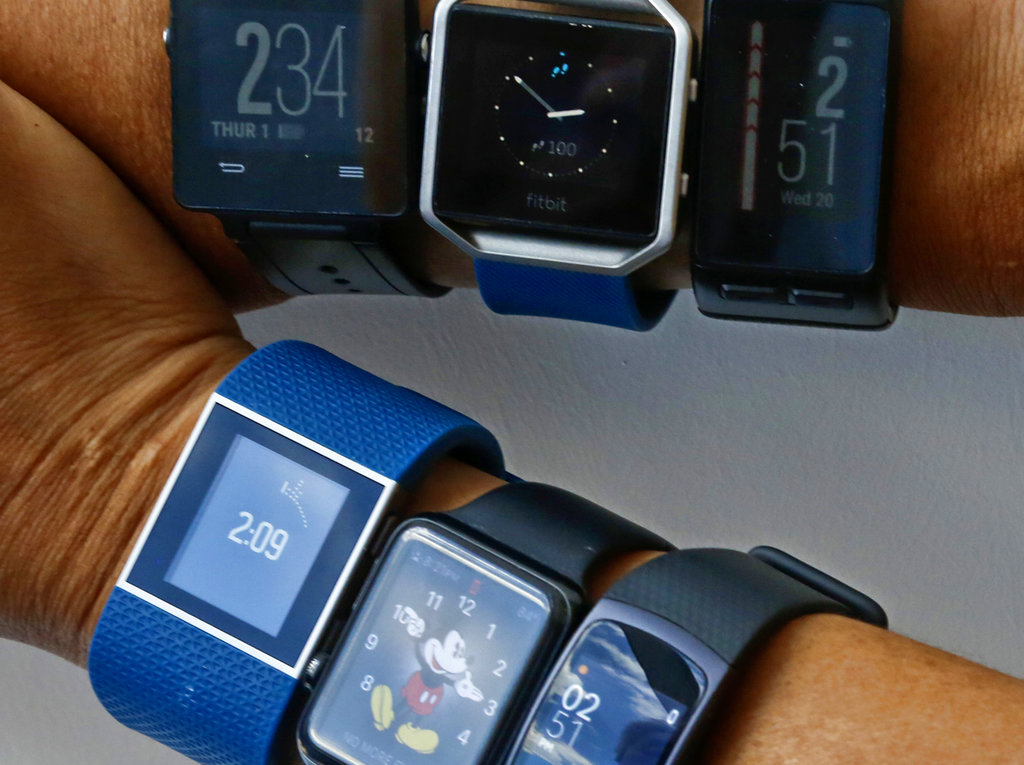
The use of fitness tracking devices and smartphone applications has presented a new challenge for U.S. military personnel. A directive from the Pentagon restricts troops and defense staff on sensitive or warzone bases from using applications revealing their location. The memo highlights the potential risks GPS technology poses.
An alarming scenario illustrates the danger: adversaries track U.S. troops through commercial smartphone data. This data, accessible through digital marketing companies, allows foreign intelligence to monitor movements without specialized hacking or drones.
In April 2026, U.S. Central Command confirmed that adversaries were exploiting commercial smartphone data to target American forces overseas. Iranian attacks damaged U.S. infrastructure in the Gulf, revealing the vulnerability of troops forced to occupy unprotected locations, with their smartphones broadcasting location data.
This issue is not new. In 2016, an intelligence contractor demonstrated to military leaders the ease of accessing personal and operational data through commercially available information. Despite previous warnings, necessary action was not taken. By 2018, Strava’s app exposed base layouts worldwide, and by 2024, journalists tracked troops using commercial advertising data.
The military’s response remains inadequate. While resources are directed toward advanced military technology, measures to protect troops from digital tracking rely on insufficient privacy settings.
“What we need are technologies that reduce signals our forces’ devices broadcast,” urges Erik Prince, a former Navy SEAL and defense entrepreneur. “Commanders need visibility of the data units release to the market.”
The contrast between the U.S. and its adversaries emphasizes the issue. China restricts foreign data collection within its borders, ensuring local data security. Conversely, the U.S. allows servicemembers’ data to be sold, potentially giving adversaries an advantage.
To address this, Congress is urged to incorporate measures into the National Defense Authorization Act to mandate the Defense Department’s adherence to secure data protocols. Action is necessary to prevent future conflicts from exploiting this vulnerability.
The opportunity to rectify this issue is now, with proposed legislative changes aiming to set higher security standards for military data. Success depends on proactive measures before the next conflict presents new challenges.
Leave a Reply