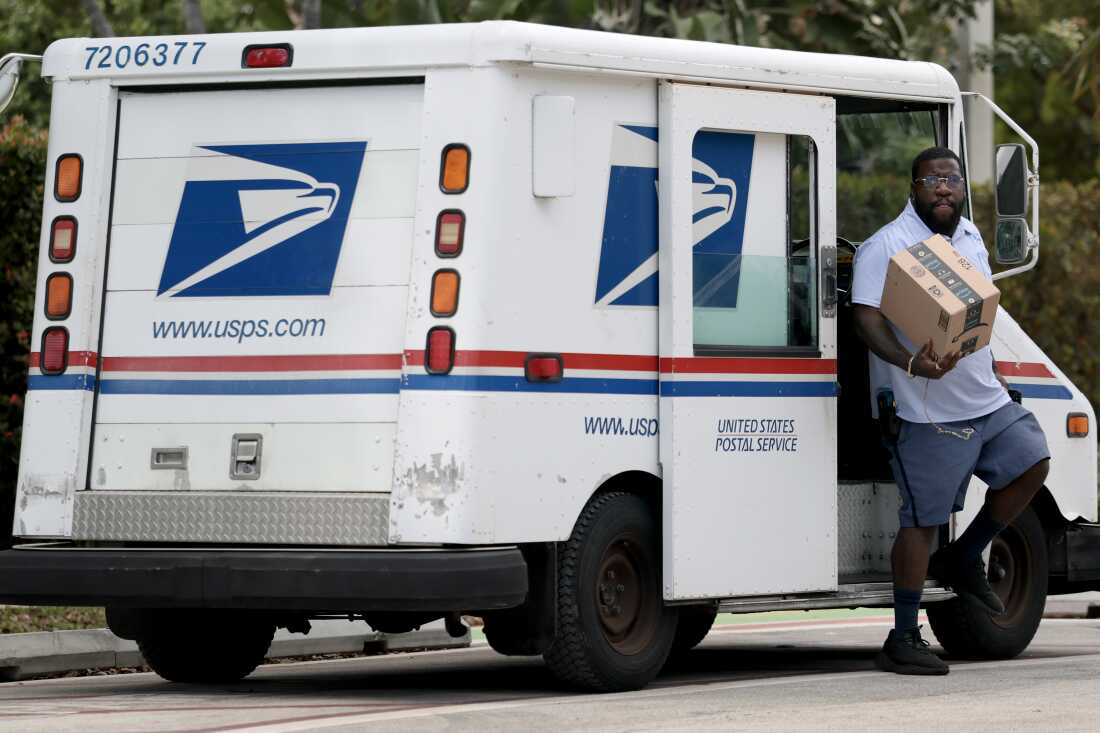
The U.S. Postal Service has found temporary relief from an immediate financial crisis by suspending payments to its worker retirement funds. This move, confirmed by Postmaster General David Steiner, has postponed the threat of running out of funds and halting mail deliveries, previously expected next year. Despite this, the Postal Service still faces significant financial challenges due to reduced mail volumes compared to previous decades.
Projections indicate a potential financial crisis between 2031 and 2034. Steiner, speaking before the Senate Homeland Security and Governmental Affairs Committee, highlighted that the agency is currently using retirement plan funds to maintain operations. He expressed discomfort with this approach and emphasized the need for a discussion on restructuring the Postal Service’s business model.
Current Strategies to Address Financial Issues
Since alerting lawmakers in February 2027 about a possible delivery stoppage, USPS has taken several steps. These include limiting non-essential expenses and forming a multi-year agreement to handle domestic package deliveries for DHL eCommerce. Customers have experienced an 8% temporary price increase since late April, intended to offset rising fuel costs, which is set to end in mid-January. Additionally, a permanent 5% rise in the cost of a first-class “forever” stamp will be implemented on July 12, marking the eighth increase in five years.
The Postal Regulatory Commission has also aided the USPS by suspending its required minimum retirement payments through fiscal year 2030, providing an additional $15 billion buffer. Acting Chair Robert Taub acknowledged that this offers some relief and extends the timeline for addressing insolvency, urging careful decision-making concerning expenditures.
Despite these measures, USPS continues to struggle financially. It reported a $2 billion net loss in the second quarter of this fiscal year, following a $9 billion loss last year. Postmaster General Steiner has urged Congress to revise laws to allow USPS to borrow more and reform retirement plans. Suggestions also include reconsidering the financial viability of the six-day mail delivery mandate.
Legislative Action and Reform Proposals
Key lawmakers on the House Oversight Committee have requested detailed financial and service projections from Steiner to evaluate potential reforms for long-term stability. Representatives Kweisi Mfume, Pete Sessions, and James Walkinshaw emphasized the importance of clear data on the potential financial effects of Steiner’s proposals during recent testimony.
Political and Legal Challenges
Beyond financial issues, USPS is entangled in political controversies linked to the Trump administration’s initiatives, including involvement in the upcoming census and midterm elections. USPS letter carriers have started conducting interviews in Alabama and South Carolina for a 2030 census field test, a move criticized by census advocates for alleged inefficiency.
Additionally, a disputed executive order from President Trump, aiming to limit mail-in voting, led USPS to suggest creating lists of approved mail voters using state data. This proposal has sparked lawsuits, with critics arguing that election rules are determined by state legislatures and Congress, not the president. Senate Democrats have urged USPS to abandon this regulation and refocus on its mission to provide comprehensive postal services.
During Senate confirmation hearings, Trump’s Postal Service governor nominees, Jeffrey Brodsky and William Gallo, refrained from commenting directly on USPS’s role in mail-in voting decisions, asserting that such determinations fall under judicial and congressional jurisdiction.
Leave a Reply