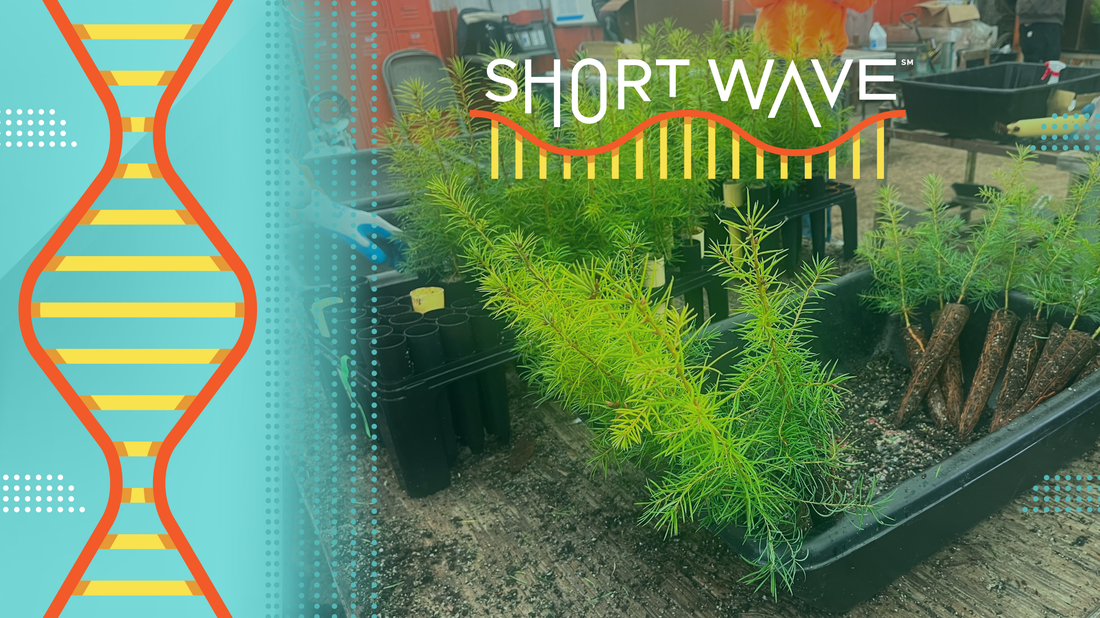
Douglas fir seedlings are at the center of a research project at the U.S. Forest Service’s Dorena Genetic Resource Center in Oregon. This experiment aims to create forests better adapted to changing climates.
Forests serve crucial roles. They absorb carbon dioxide and release oxygen. They regulate temperature, manage rainwater to reduce flooding risks, and provide habitats for numerous plant and animal species. They even influence weather patterns. Yet, factors like agriculture, road construction, timber harvesting, and wildfires make forests vulnerable.
Reforestation becomes essential to sustain forests. For a century, the U.S. Forest Service has worked to plant new trees and care for existing forests. With climate change posing ongoing threats, scientists explore new methods for forest preservation.
Rethinking Seed Planting
Traditionally, foresters planted seeds where they were originally found. Lisa Winn, a former silviculturist and manager at the Dorena Genetic Resource Center, highlights this approach. However, with climate shifting, questions arise about whether these seeds remain suitable for their locations. Seedlings may encounter unprecedented droughts or heat waves, making their future uncertain.
The Experimental Network for Assisted Migration and Establishment Silviculture (ENAMES) addresses these concerns. This initiative uses the Seedlot Selection Tool, developed by the U.S. Forest Service. It employs models to forecast future climate conditions at forest sites. Will it be warmer? Will droughts worsen? Foresters use these forecasts to plant a blend of seeds suited for various future climates.
Foresters plant different seeds: those suitable for past climates, present climates, and potential future climates 30-50 or even 70-90 years ahead. The range of tree species includes incense cedar, Jeffrey pine, Ponderosa pine, sugar pine, and western larch. Planting sites span Oregon and Washington.
Project Planning and Progress
According to Rob Slesak, ENAMES lead and USFS researcher, trees are moved from their historical climates to anticipated future climates. Although the project is in its early days, Slesak remains hopeful. The U.S. Forest Service has managed projects like the Douglas-fir Heredity Study for over a century. Trees from the 1912 project still stand today. If successful, ENAMES trees might thrive into the next century.
For listeners interested in related content, NPR’s Short Wave provides sponsor-free episodes, available on Spotify and Apple Podcasts. The Short Wave team, including producers like Jessica Yung and editors like Rebecca Ramirez, ensures quality content. Tyler Jones handles fact-checking. Audio engineer Jimmy Keeley enhances the listening experience.
Leave a Reply