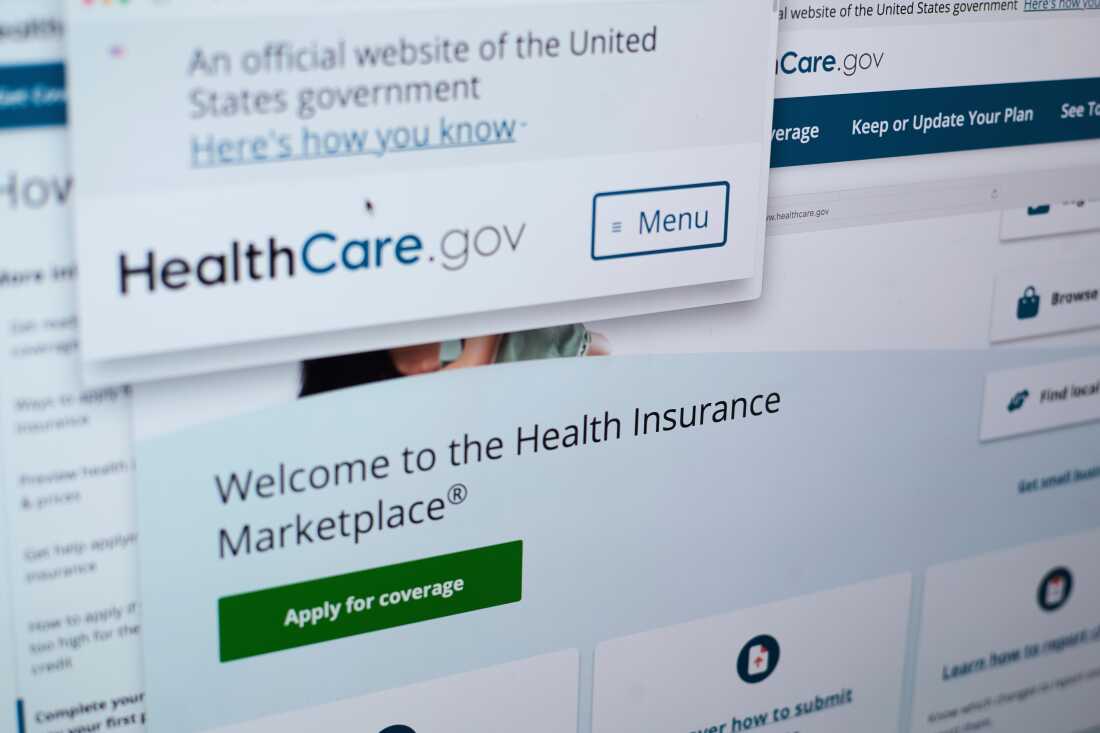
The federal government has released a report indicating that 19.2 million people are still expected to have Affordable Care Act (ACA) insurance in 2026. Healthcare.gov serves as the marketplace for 29 states. However, recent data shows that more individuals than previously known are dropping ACA health insurance for that year. Five million fewer people are currently enrolled in ACA plans compared to last year’s record high.
More than 1 million fewer people selected a plan for 2026, and an additional 4 million disenrolled or failed to pay their premiums, resulting in a loss of coverage. This decline follows a failure by President Trump and congressional Republicans to extend financial assistance for enrollees. Consequently, market prices increased.
A report by the Department of Health and Human Services, published on Friday, provides these figures. At its peak in 2025, 24.2 million people were enrolled in the ACA marketplace. The current decline aligns with earlier expectations from insurers and health experts, who anticipated more people would find premiums unaffordable over time.
“Enrollment is down 13% from last year,” explains Cynthia Cox, director of KFF’s Program on the ACA. “The Trump administration says the drop is due to efforts to address fraud, but people faced costs increases when enhanced tax credits expired.”
The theory of enrollment growth being driven by fraud comes from Paragon Health Institute, a conservative think tank. However, many health experts attribute the enrollment increase during the pandemic to Congress’s large investment in premium tax credits.
During the time of subsidies, marketplace size doubled due to affordability. This year’s enrollment decline was expected as premium costs increased significantly from 2025 to 2026. The rise in costs followed Republicans letting tax credits expire; Democrats had previously attempted to secure a three-year extension to maintain low prices.
“When costs increased, many dropped their coverage,” Cox comments. She acknowledges fraud issues exist but does not see them explaining the enrollment drop entirely.
According to KFF, over half of ACA enrollees reside in Republican congressional areas. Stacey Pogue, a research fellow at Georgetown Center on Health Insurance Reforms, concurs. She observes no data supporting fraud as the sole reason for 5 million people losing coverage. Instead, many people made budgetary decisions based on monthly payment ability.
The rise in health costs poses challenges for consumers amid ongoing inflation. Higher insurance costs impact family budgets and company participation in ACA markets. Some insurers, like Cigna, have announced non-participation next year due to a shrinking customer base.
The reduction of healthy individuals from the market threatens its viability. However, Cox remains optimistic about market stability. She notes sufficient numbers purchasing coverage to maintain functionality. Yet, rising premiums risk persistent enrollment declines, with early filings for 2027 hinting at further rate increases.
Leave a Reply