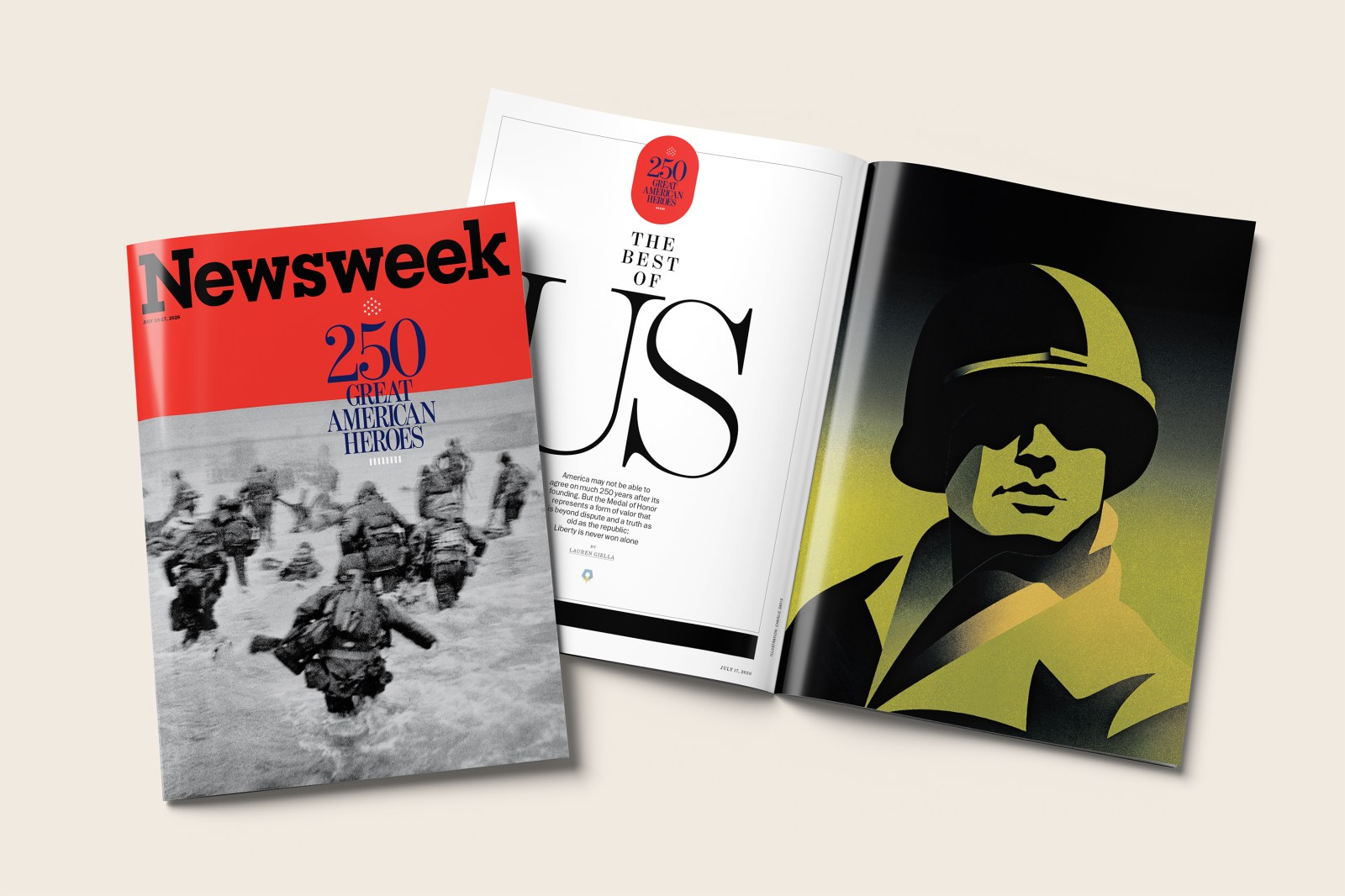
Heroism in the United States of 2026 is complex. In a politically divided nation, one person’s hero can be another’s villain. Despite this, some acts of valor stand above this divide, such as those earning the Medal of Honor, America’s highest military award. The medal represents heroism in direct combat, beyond the call of duty, often involving extreme personal risk.
The medal requires stringent criteria. It is awarded based on a thorough investigation including eyewitness accounts. Only 3,536 out of over 40 million service members have received it. This number highlights its exclusive nature, focusing on specific acts of bravery rather than broad heroism, as seen beyond combat roles.
America’s 250th anniversary puts a spotlight on the Medal of Honor, capturing the tension between individual liberty and collective commitment. This duality has characterized America since its founding. The Declaration of Independence emphasizes individual rights. However, unity in the revolution exemplified the need for collective action.
“We must all hang together,” stated Benjamin Franklin, highlighting the necessity of unity.
Similarly, Thomas Jefferson advocated for unity in 1801, emphasizing social bonds essential for liberty. The Medal of Honor reflects these ideals. It honors choices made to save others rather than individual achievements.
Newsweek celebrates these medal recipients, partnering with the National Medal of Honor Museum. They showcase 250 stories of courage, an essential part of America’s spirit and history.
A Singular Decision Under Fire
The Medal of Honor originated during the Civil War when American unity faced a critical test. Introduced by Senator James Grimes and later by Senator Henry Wilson, it recognized valor in the Navy and Army. Today, individual medals exist for the Navy, Army, and Air Force.
Recipients from diverse backgrounds share one commonality: a decision made under extreme pressure. Cory Crowley of the National Medal of Honor Museum highlights the medal as a symbol of selflessness. It’s a choice available to anyone, in any context.
Colonel Jack Jacobs vividly recalled leading and rescuing soldiers under enemy fire in Vietnam. He emphasized the urgency of leadership when lives are at stake.
Medal of Honor stories resonate beyond military contexts. Their selflessness and courage inspire, transcending specific wars. Barrett Tillman, an author on Medal recipients, notes their overwhelming loyalty to comrades over abstract patriotism.
Beyond the Battlefield
Specialist Jim McCloughan’s experience reflects this ethos. Drafted during Vietnam, he relied on wrestling discipline to save others in combat. Awarded his medal in 2017, he expressed the ongoing duty to those who served with him.
Meredith Rollins, producer of the podcast Medal of Honor: Stories of Courage, captures the humility of recipients who saw their heroic acts as routine duty.
Most will not face combat, but heroism isn’t restricted to the battlefield. It calls for everyday courage—in actions for family, friends, and community. McCloughan advocates for harmony and selflessness in civilian life.
“What is it that I can do for my neighbor, family?”, encourages McCloughan.
The Medal of Honor urges ordinary individuals to extraordinary actions in crucial moments, as Crowley suggests. This spirit, demonstrated in varying aspects of life, sustains society.
Colonel Jacobs highlighted the need for moral courage, vital for future success. Courage, whether in combat or civilian life, involves prioritizing others, an enduring lesson from Medal recipients.
Leave a Reply