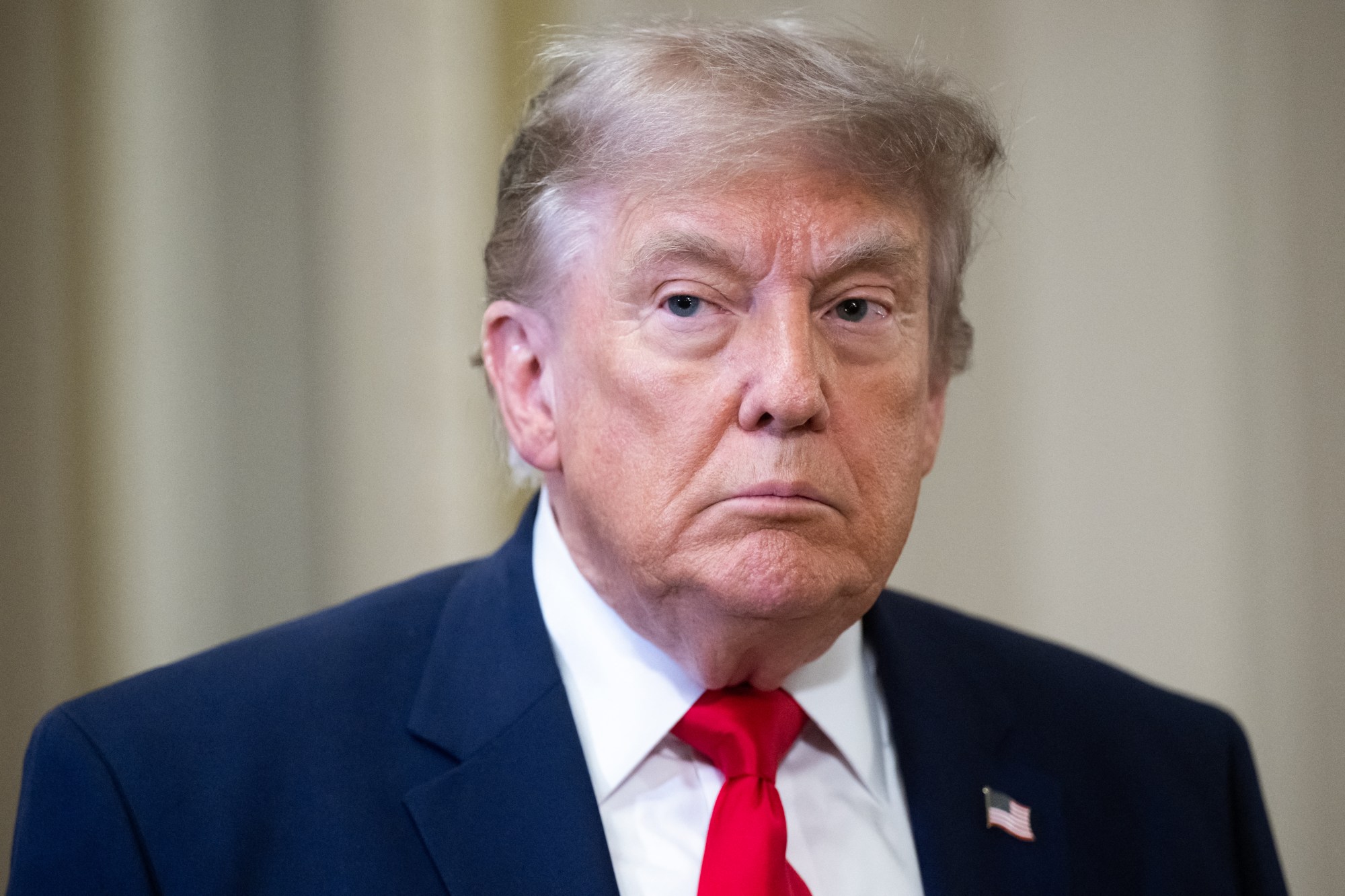
On June 24, 2026, President Donald Trump declared he would refuse to sign the bipartisan housing bill approved by Congress. His decision aims to pressure lawmakers into passing the SAVE America Act, a proposal widely criticized for potentially limiting voter registration under the guise of election reform.
The president’s decision to halt the signing ceremony for the 21st Century ROAD to Housing Act caused confusion among congressional Republicans. Despite its broad support and Trump’s initial backing, he now threatens to use a pocket veto, a tactic many believe is not plausible due to constitutional and historical precedents.
The Constitution states that once Congress sends an enrolled bill to the president, he has ten days (excluding Sundays) to act. If Congress adjourns in this period, a pocket veto might be invoked.
However, legal experts clarify that a ten-day recess does not equate to adjournment in this context. Congress can appoint agents to receive vetoed bills during breaks, allowing for proper returns. Additionally, pro forma sessions are held during recesses, further complicating a pocket veto attempt.
Historically, the framers of the Constitution rejected unbreakable vetoes to ensure checks and balances. A pocket veto avoids an override vote, differing significantly from regular returns.
Trump’s constitutionally valid option remains issuing a return veto. Given the strong congressional support, an override seems probable, but Trump may still influence his party members.
Robert J. Spitzer, a political science professor and author, emphasizes the historical importance of the veto’s constitutional details, relevant to the Founders and contemporary governance.
Leave a Reply