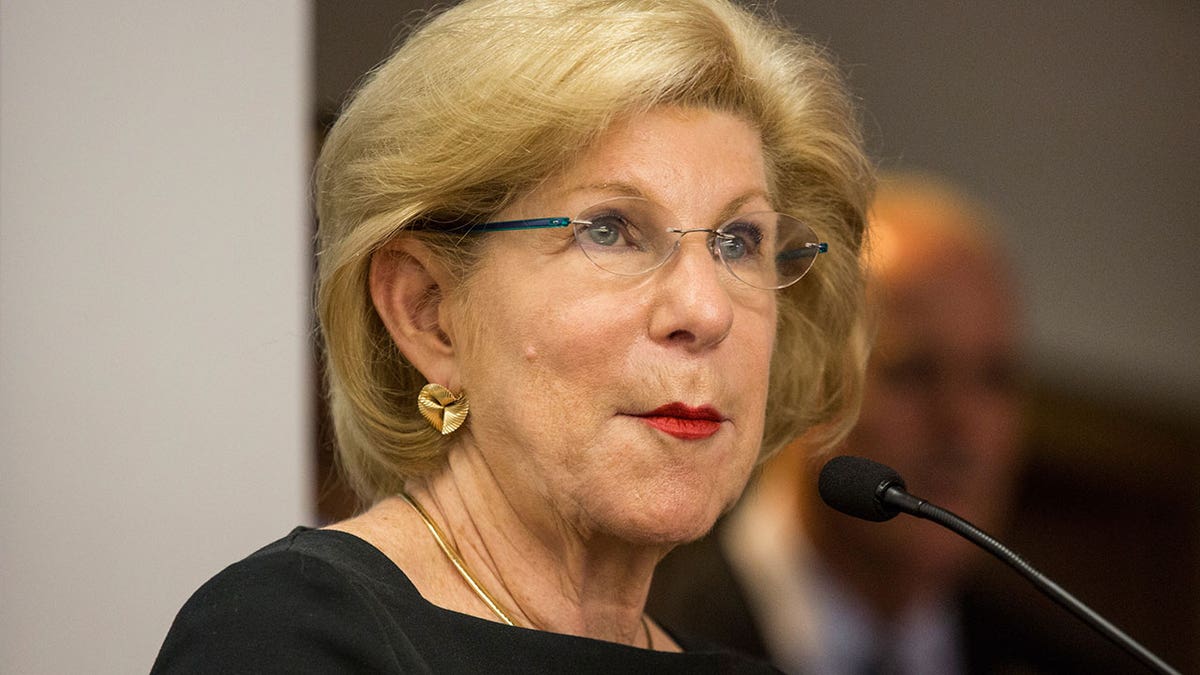
NPR’s legal affairs correspondent, Nina Totenberg, recently caused a stir in the media industry with an incorrect report claiming that Supreme Court Justice Samuel Alito was retiring. She quickly retracted the story, labeling it as “erroneously published.” Despite her extensive journalism career spanning over five decades, Totenberg is no stranger to controversies and mistakes.
A History of Controversies
In 1972, Totenberg was dismissed from the National Observer for plagiarism. The Columbia Journalism Review reported that she copied several paragraphs and quotes from a Washington Post article without attribution. Totenberg acknowledged her error, stating, “I was in a hurry. I used terrible judgment.” She expressed a belief that a young reporter should learn from such mistakes to prevent recurrence.
Further Incidents and Controversies
In 1987, Totenberg faced criticism from Legal Times reporter Aaron Freiwald, who accused her of using his work without credit while reporting on Supreme Court nominee Douglas Ginsburg. During Clarence Thomas’s Supreme Court nomination in 1992, she was criticized for reading parts of Anita Hill’s confidential affidavit on air, with many accusing her of impacting both Thomas and Hill negatively.
In 1995, Totenberg faced backlash for inappropriate comments about Republican Senator Jesse Helms concerning AIDS research funding. She later admitted her remarks were misguided, stating she would “pay for it for the rest of my life.”
Disclosure Concerns
Totenberg was also in the spotlight following Justice Ruth Bader Ginsburg’s passing in 2020. She revealed in an obituary that she had been close friends with Ginsburg for years but had not publicly disclosed this relationship while covering the Supreme Court. This raised questions about potential conflicts of interest, with media reporter Paul Farhi noting that traditional journalistic practice typically involves avoiding or disclosing such relationships.
Recent Reporting Challenges
In 2022, Totenberg reported that Justice Neil Gorsuch refused to wear a mask on the bench amidst COVID-19 concerns, leading Justice Sonia Sotomayor to work remotely. Fox News and Supreme Court sources denied these claims, pointing out inaccuracies in her report. Despite this, NPR supported Totenberg’s story.
Throughout her career, Totenberg has navigated several controversies, from reported errors to undisclosed relationships, all of which have been examined under the media’s scrutiny.
Leave a Reply