Hospitals in Venezuela are without medicines and equipment. Power outages occur daily. At least 8 million people require humanitarian support. These challenges existed before back-to-back earthquakes hit on June 24.
For years, Venezuela has faced what experts call a complex humanitarian emergency. Democratic backsliding, corruption, inflation, and economic sanctions limit access to basic services. Nearly 8 million citizens have fled in the past decade, creating a major displacement crisis, according to the United Nations.
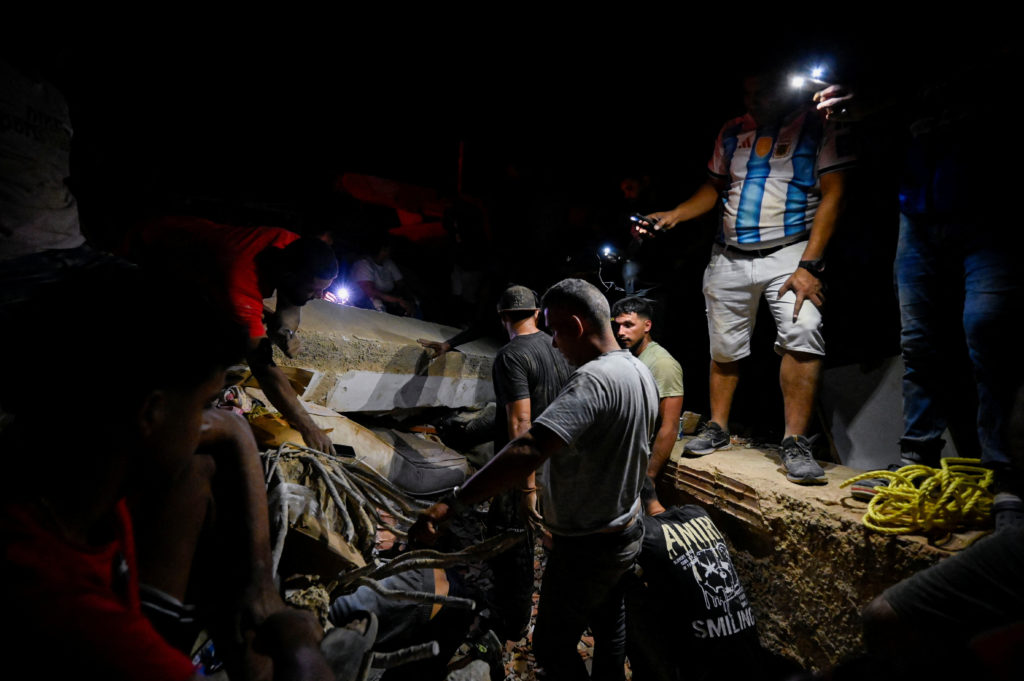
Phil Gunson, a senior analyst with the International Crisis Group, describes Venezuela’s situation as a ‘sustained collapse of a society’. Now, the country is dealing with a significant natural disaster. In the week following the 7.2 and 7.5 magnitude earthquakes, residents have resorted to digging through rubble with bare hands, pleading for government assistance.
Laura Cristina Dib, director for Venezuela at the Washington Office on Latin America, notes the government response has been uncoordinated, leaving citizens vulnerable. Official figures state 2,295 have died, and 11,000 are injured. However, the true toll is likely higher. Gianluca Rampolla del Tindaro, the UN’s humanitarian coordinator, indicates 10,000 body bags are being procured. UN’s Tom Fletcher considers 50,000 missing people a plausible estimate.
What was Venezuela’s status before the earthquakes struck?
Six months prior, the U.S. military captured Nicolás Maduro, who had led the country since 2013. Delcy Rodríguez, the former vice president, became interim leader, collaborating with then-President Donald Trump’s administration.
This shift in leadership brought hope for economic and democratic recovery, according to David Smilde, a Tulane University professor. Sanctions were lifted, permitting U.S. companies to buy Venezuelan oil. Still, no election plans were outlined.
Orlando Pérez from the University of North Texas points out that removing Maduro did not change the institution’s deep-rooted issues. The failure to rebuild these systems quickly rendered the nation unprepared for the earthquakes.
How did the government respond to the earthquakes?
Following the earthquakes, Rodríguez declared a state of emergency, appointing Juan Ernesto Sulbarán Quintero to lead rescue efforts. Communications with international entities included accepting aid offers.
Despite international assistance from 27 countries and 40 rescue teams, the local government’s efforts were sparse, according to on-ground reports. Residents reported limited presence and competence, with emergency services focusing on traffic rather than rescue.
Pérez describes an under-resourced response: firefighters lacked fuel, civil workers used cellphone lights, and volunteers dug without proper tools due to the absence of heavy equipment.
Civilians, NGOs, and international communities rallied to provide aid and locate missing people, filling the gaps left by the government.
What are the next steps for Venezuela?
Current efforts remain centered on rescue and recovery, but the focus will shift to reconstruction. The UN estimates $6.7 billion in damages. The country’s challenges in housing and healthcare will increase.
Gunson asserts that natural disasters affect politics, and reconstruction efforts will likely influence Rodríguez’s government legacy. Historical precedents, like Nicaragua in 1972, showcase possible outcomes.
The U.S. holds significant influence over Venezuela post-Maduro’s capture. Trump previously proposed integrating Venezuela as the 51st state, underscoring U.S. responsibility in Venezuela’s recovery efforts.
Currently, the U.S. has dispatched 2,000 troops and committed $300 million for aid. Whether U.S. support continues through reconstruction remains essential for Venezuela’s future.
Supporting honest journalism and dialogue reinforces a thriving democracy.
Leave a Reply