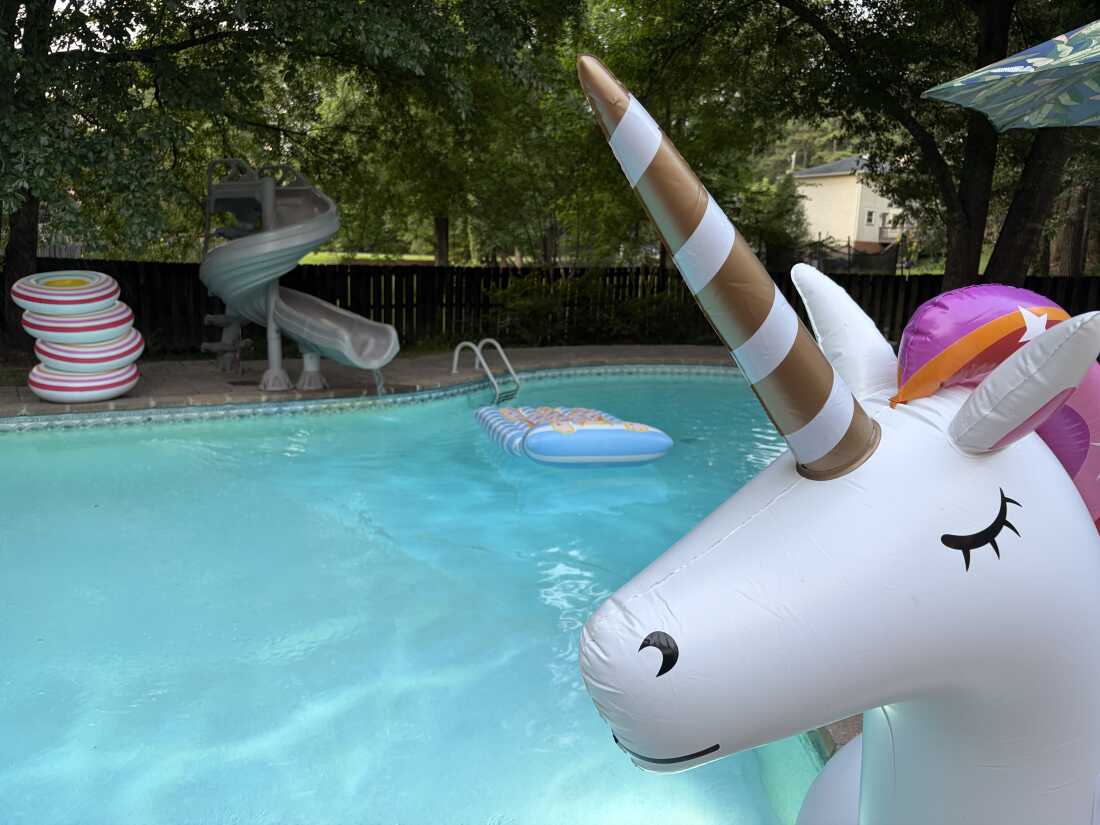
In Birmingham, Alabama, the Endless Summer Oasis pool hosted by Jasmine Lawson attracts over 1,000 guests each season, offering an escape on hot days. Lawson’s pool is listed on Swimply, a platform similar to Airbnb but focused on renting private pools and other recreational spaces.
Meghan Clopton is among those enjoying this service. She rented Lawson’s pool for her child’s birthday party, spending $381 to accommodate up to 30 guests for three hours. This rental included amenities like water guns, a twisting slide, and inflatables, with the guests curious about the pool’s ownership.
Clopton revealed to them the pool wasn’t hers. “It’s part of the culture now, renting someone else’s property for a fee,” she said. Swimply, alongside similar platforms, enables people to rent diverse spaces such as tennis courts. The sharing economy has normalized renting assets like cars or guest bedrooms with ease.
Lawson’s pool, equipped with an 8-foot-deep pool, a hot tub, and an air-conditioned room for parties, attracts bookings for events like graduations, book clubs, and photo shoots. She provides a walk-through for every guest upon arrival and stays available downstairs to assist if needed.
Originally, Lawson started renting her pool to cover veterinary costs. Now, it helps her manage maintenance expenses. “Owning a pool always demands payments,” Lawson shared, noting typical costs reach $1,000 frequently.
Swimply founder Bunim Laskin created the company in 2019, initially to help cover neighbor pool usage costs. Today, Swimply lists pools in 150 cities, with over 275,000 reservations this year, marking a 50% increase from last year.
Swimply caters primarily to local rentals, serving staycations and events near guests’ homes, unlike Airbnb’s often tourist-focused listings. The platform’s success grew significantly during the pandemic, as financial challenges prompted innovative income supplementation.
Liability issues surface in the pool rental market. Swimply offers hosts up to $1 million in liability coverage, mirroring Airbnb’s policies. Legal complexities arise in determining responsibilities if injuries occur. Lindsey Cameron from the University of Pennsylvania highlights ongoing debates regarding liability in the gig economy.
State-level legislative efforts, such as Minnesota’s Supreme Court case on whether Swimply pools qualify as public facilities, explore licensing regulations and inspections. Early rideshare app regulations faced similar municipal challenges.
Private businesses also react cautiously. Lawson faced hesitation from her pool maintenance company, which dropped her as a client. Without external aid, Lawson manages her pool maintenance independently, maintaining water clarity.
With increasing bookings and positive experiences despite occasional minor incidents, Lawson’s pool remains popular. Meanwhile, Clopton contemplates building her own pool, faced with quotes between $60,000 and $110,000. For now, she plans to continue renting, considering future income possibilities by listing her pool on Swimply.
Leave a Reply