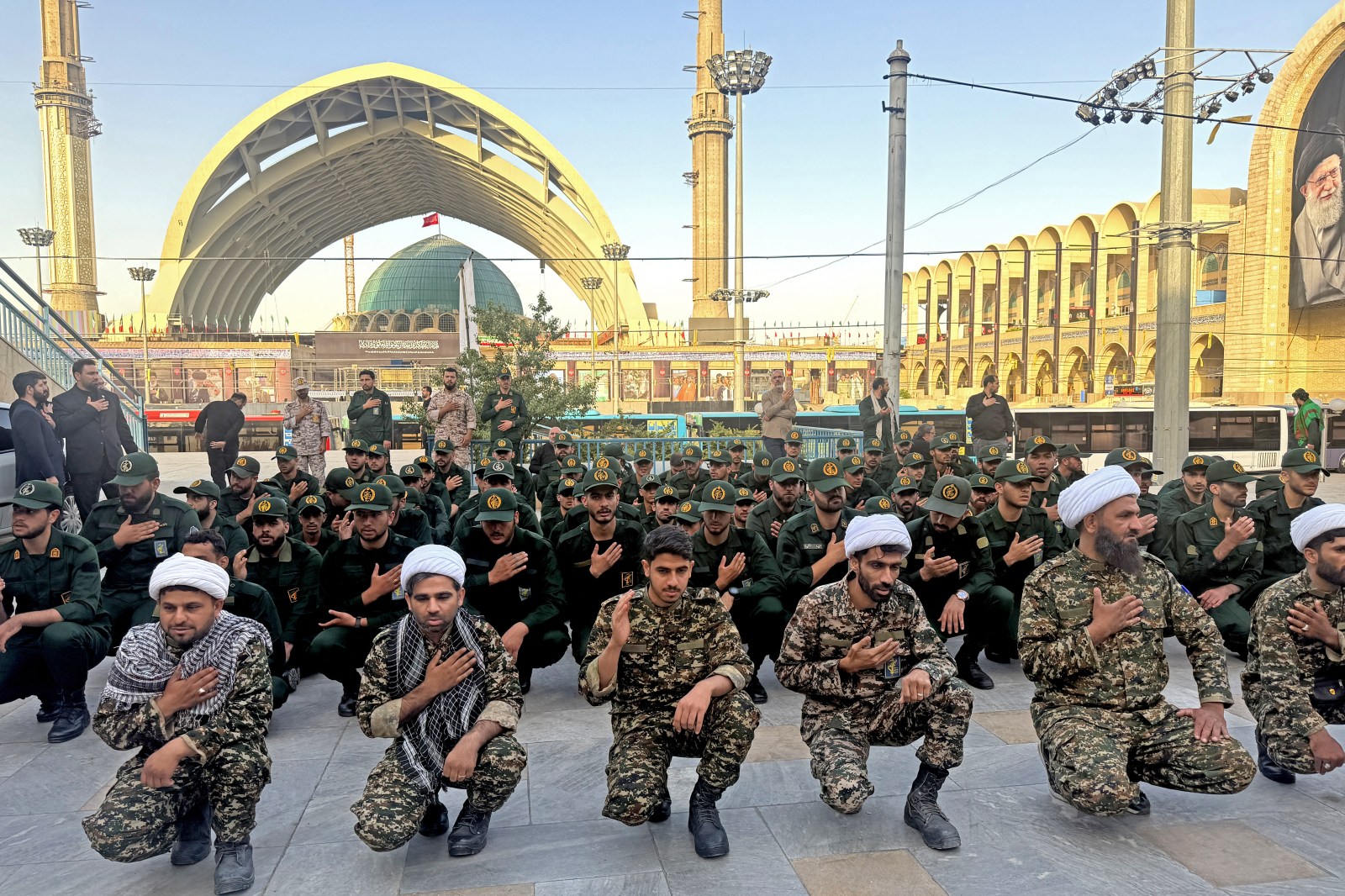
The coffin of former Iranian Supreme Leader Ali Khamenei has arrived at Tehran’s Imam Khomeini Grand Mosalla. This marks the start of a series of ceremonies in both Iran and Iraq. These events mourn the man who led the Islamic Republic since 1989. Ali Khamenei, aged 86, was killed during joint strikes by Israel and the U.S. on Tehran on February 28. His burial faced delays due to the continuing conflict that has now expanded across the region. Mojtaba Khamenei, his son, has succeeded him but has not appeared in public since his father’s passing.
Mourning and Symbolism
The ceremonies carry significant symbolism. They coincide with the 250th U.S. Independence Day celebrations and take place during Muharram, a month of mourning in Shiite Islam. Muharram is historically linked to the 7th century martyrdom of Imam Hussein, from whom Khamenei traces his lineage. A red flag, once flown over Hussein’s shrine, now drapes Khamenei’s casket. An official statement described the flag as a “symbol of resistance, sacrifice, and unwavering devotion to truth.”
Series of Ceremonies and Events
The late Supreme Leader will be honored over several days in five cities across Iran and Iraq. His coffin reached Tehran on Friday. The next day, at 6 a.m. local time, his body will be placed on an elevated stage within the mosque. Farewell ceremonies are scheduled for Friday and Saturday. These dates match the 13th and 14th of Tir in the Persian calendar, aligning with the 19th and 20th of Muharram. Saturday’s funeral procession in Tehran will be followed by another on Sunday in Qom. The Islamic Republic News Agency reported that the final funeral ritual will occur next Thursday in Mashhad. This event coincides with the eve of Imam Sajjad’s martyrdom anniversary. Sajjad, also known as Zayn al-Abidin, was the fourth Shia imam and a great-grandson of the Prophet Muhammad. Khamenei will be laid to rest at the shrine of Imam Reza, the eighth Shia imam, in Mashhad. The Commemoration Committee has urged Iranian citizens and followers of the Islamic school to participate in the ceremonies.
Public Measures and Preparations
Iranian media has extensively covered the funeral, overshadowing talks with the U.S. over the memorandum of understanding regarding the war’s end and reopening of the Strait of Hormuz. Tehran views the funeral as defiance against the U.S. and Israel. President Masoud Pezeshkian stated that the former Ayatollah’s death signals a new era of national unity. Parliamentary Speaker Mohammad Bagher Ghalibaf emphasized the need to “rise and raise the cry for the nation’s blood to the world.” Coordinated measures include setting up 6,000 overhead water sprinklers to cool the crowds. Tehran’s airports will close during the ceremonies, and vehicles are banned in the city. Around 700 parking areas are designated for mourners. Reports indicate that 50 million loaves of bread will be baked, with 16 mobile bakeries operating in the capital. Preparations involve the Red Crescent mobilizing 2,500 ambulances, 21 helicopters, 100 drones, and thousands of rescue personnel. Additionally, over two dozen hospitals, 500,000 liters of IV fluids, and 20,000 classrooms are on standby.
Tehran and other major cities are ready to accommodate mourners. A national campaign invites people to offer their homes to those attending from other cities. Mosques, sports halls, parks, and cultural centers in Tehran are prepared for the ceremony.
Attendance of International Representatives
The Iranian state broadcaster IRIB reported attendance from over 100 countries, although not all nations disclosed their representatives. The Kremlin confirmed former Russian President Dmitri Medvedev would represent Russia, highlighting Moscow and Tehran’s close ties. Prime ministers and dignitaries from countries like Pakistan, Armenia, Tajikistan, and Turkey will attend. Videos on social media show delegations from Turkmenistan, Iraq, Uzbekistan, Georgia, and China arriving in Tehran. China will be represented by He Wei, vice chairman of its top lawmaking body.
Leave a Reply