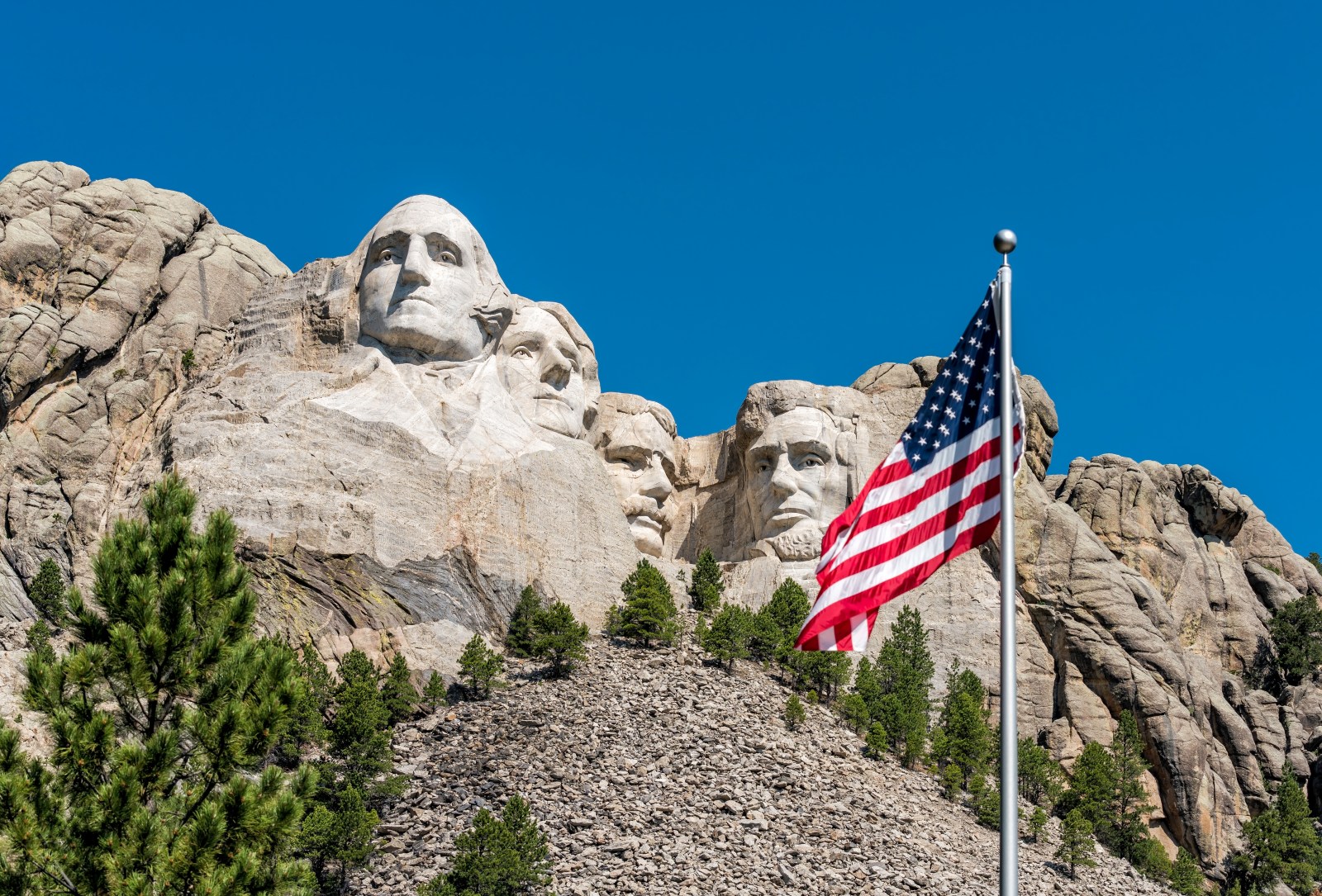
The opening of the Theodore Roosevelt Presidential Library in Medora, North Dakota, is scheduled for July 4, 2026. This event marks America’s 250th birthday with a significant new institution overlooking the Little Missouri River. The location played a vital role in shaping Roosevelt’s character.
Amidst political divides and dwindling historical knowledge, such openings are crucial. They highlight the importance of presidential sites as collective national memories. The current political climate shows fractured civil discourse. Surveys report gaps in Americans’ understanding of foundational principles and leadership history. Civic participation often seems shallow.
Presidential libraries like the Roosevelt Library offer a counter to these issues. They promote thoughtful historical engagement rather than retreat into biased views. Situated away from Washington, this library emphasizes that American history belongs to everyone, not just those in major cities.
The Role of Presidential Libraries
These libraries act as dynamic educational centers, not just archives. The Theodore Roosevelt Library joins nearly 200 presidential sites, including libraries, museums, historical places, and educational institutions related to presidents and first ladies. They serve as important centers for civics education.
These sites preserve documents, artifacts, and stories that make the presidency relatable. Visitors learn about presidents as individuals facing various challenges. Exhibitions and public programs encourage critical thinking about leadership and governance. In an era of rampant misinformation, these institutions provide factual context.
The White House Historical Association, initiated by Jacqueline Kennedy, shares this mission. It aims to preserve and communicate the history of the White House to foster informed patriotism and service.
Theodore Roosevelt’s Legacy
Theodore Roosevelt’s leadership was transformative. A New Yorker who found new strength in the Dakota Badlands, he became president in 1901. He promoted the “Square Deal,” addressing corporate monopolies and advocating for consumer protections and labor rights. He was pivotal in conservation efforts, safeguarding 230 million acres of public land and establishing numerous national parks and monuments.
Roosevelt’s philosophy offers lasting lessons. His famous quote on action and principle underscores the balance he achieved between government regulation and opportunity. His foreign policy favored strength with diplomacy. Today, his example urges proactive and practical public service.
His time in North Dakota was crucial. The Badlands increased his resilience and love for nature, shaping his presidency. The library’s location fosters a direct connection to this legacy.
Presidential History and Public Engagement
Preserving the history of the White House and presidents impacts future generations. The White House adapts with each presidency while holding democratic traditions. Sites like the Roosevelt Library expand this narrative, linking the Executive Mansion to America’s broader story. The presidency remains an institution for the people.
Nationwide, around 200 sites maintain historical awareness. They allow citizens to connect with history, promoting empathy and shared endeavors. The Obama Center tackles modern challenges and hopes. The Roosevelt Library rejuvenates Progressive Era ideals. The prospective Trump Center will continue this legacy, adding to the national story of leadership.
During the Semiquincentennial, we should visit, support, and learn from these democratic spaces. Roosevelt encouraged Americans to strive for active engagement. His library invites renewed participation in democracy, urging us to history, debate, and progress toward a better union.
Theodore Roosevelt’s time in the Badlands resonates at his library’s location, reflecting on how diverse American landscapes shape national vision. As the nation enters its next 250 years, we should accept the challenge of revitalized civic life.
Leave a Reply