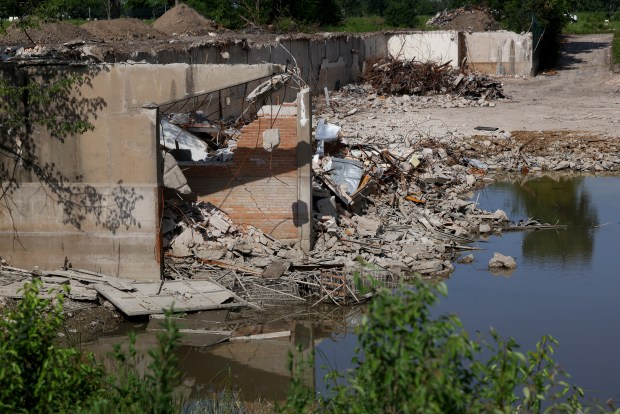
More than two years after acquiring the former Tinley Park Mental Health Center located at Harlem Avenue and 183rd Street, the Tinley Park-Park District anticipates concluding site cleanup by the end of this year. Before embarking on development, the district is participating in the Illinois Site Remediation Program, initiated in September 2025. Soil sampling will commence this fall, with the entire remediation process expected to last at least a year, as noted by Renee Cipriano, former director of the Illinois Environmental Protection Agency, who is managing the cleanup.
The property cleanup involves the removal of asbestos and other hazardous materials, followed by building demolitions. The remediation phase addresses any remaining contaminants to ensure the site becomes safe for recreational use. Cipriano highlighted that obtaining IEPA approval for recreational use can be comprehensive due to strict safety standards. However, district officials are committed to developing the property for recreation, staying true to promises made to the state and residents.
District board President Lisa O’Donovan stated that there are no definite plans or budget for development yet, as they concentrate on finishing the cleanup. The type of recreational use is also subject to community feedback. O’Donovan emphasized that ensuring proper and safe cleanup remains their main focus.
Despite progress, Tinley Park village officials raised concerns regarding environmental cleanup, funding, and oversight. The village had intended to acquire and redevelop the property for commercial purposes before the Park District obtained it in 2023 for $1. Village manager Pat Carr expressed disappointment, believing private investors could have been involved if the village had acquired the property.
In 2025, the Park District unveiled plans for 90 acres of the site, including baseball fields, multipurpose athletic fields, a domed soccer field, a stadium with a track, a playground, and a pond. This area, located along 80th Avenue, is intended to extend Freedom Park. O’Donovan received suggestions from residents and offers from private developers but declined partnerships until after cleanup completion.
As of July 2, 2026, demolition persists on-site. Funding strategies for development may involve public-private partnerships, state funding, and district budgeting. Since acquiring the property, the district has received two substantial state grants for cleanup, with $61,812 remaining from the first and the entirety of the second grant still available. Cipriano indicated that the second grant will support final abatement, demolition, and remediation processes.
State law restricts property use to public recreation, with bans on gambling facilities. Violations would result in the property reverting to state ownership. O’Donovan reiterated that the district aims to comply with these stipulations carefully.
State Rep. Bob Rita endorsed the district’s progress, noting satisfactory cleanup efforts. Abatement completed in May resolved issues like asbestos and storm water, with structures cleared for demolition. Some physical features such as lime pits and storage tanks were removed safely.
By late June, 13 out of 53 buildings remained for demolition, expected to conclude by year-end. Challenges include deeper concrete footings and storm water. A 5,600-foot underground tunnel system required intricate management, with 2,500 feet removed by mid-June. The powerhouse is set for demolition starting July 6.
District officials ensure that air monitoring adheres to regulations for community safety. If the cleanup timeline holds, soil collection for remediation could start this fall. The plan involves drilling and sampling soil and groundwater to identify contaminants, with a bid for work forthcoming.
Though the remediation process is lengthy, it allows the district to ensure site safety with IEPA oversight and avoids future compulsory cleanups. O’Donovan highlighted upcoming community engagement campaigns, inviting feedback through surveys and meetings. Residents, youth programs, school districts, and local officials will participate. Feedback will guide final development decisions by the Park District’s commissioners and the Remediate 280 committee.
Leave a Reply