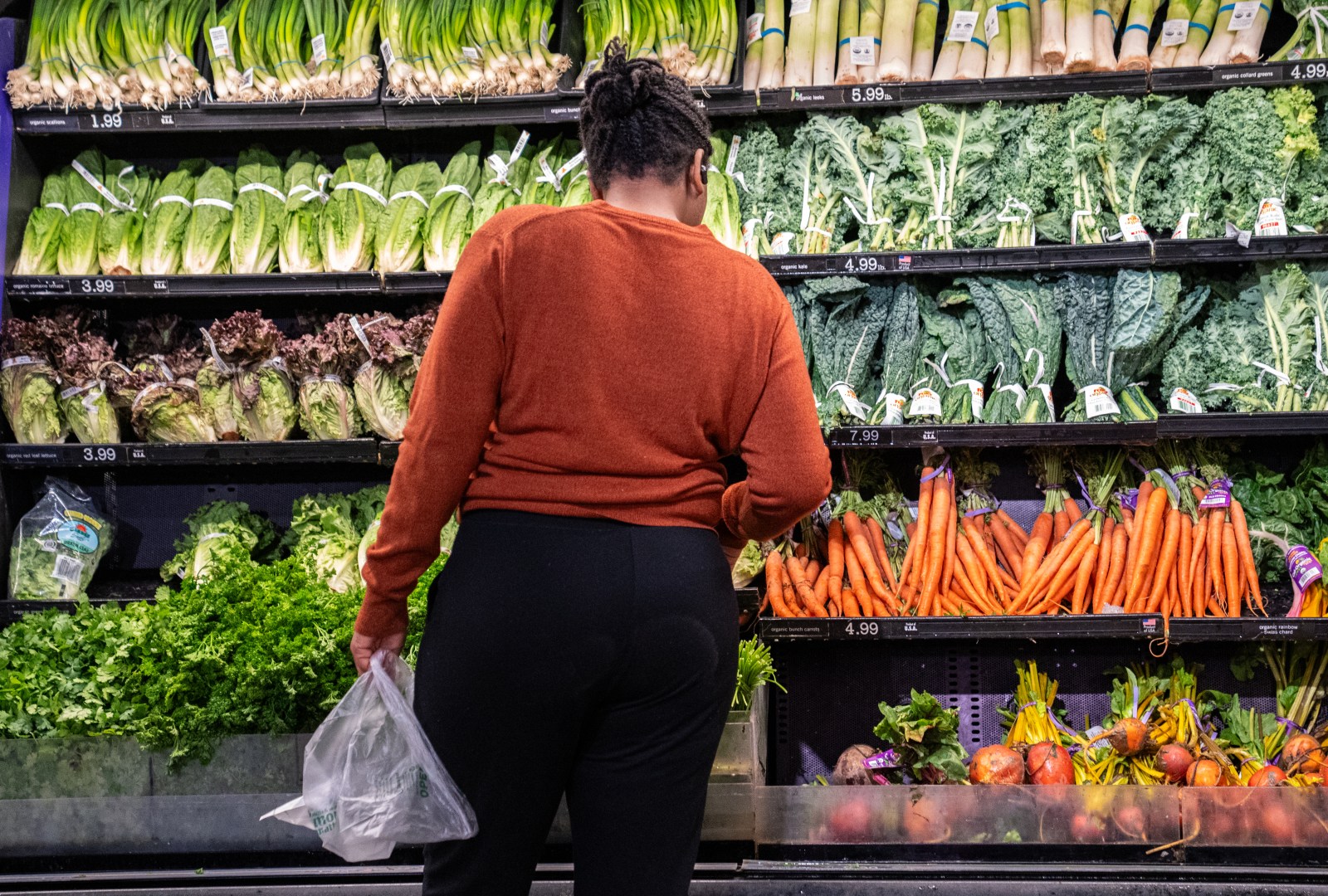
A significant rise in cyclosporiasis cases, a parasitic infection causing severe diarrhea, has been observed in over twelve states. Michigan is particularly affected, with over 1,500 cases and 44 hospitalizations, based on July 9 data from the state’s Health and Human Services (HHS). This is a marked increase from the typical 50 cases seen annually in the state.
The source of this outbreak remains unidentified by Michigan’s HHS. Other states experiencing heightened infections include Ohio with 177 cases, Illinois with 141, New York with 120, North Carolina with 110, and Texas with 48. National attention is focused on determining if this rise signifies a severe isolated incident or a broader seasonal pattern.
The Centers for Disease Control and Prevention (CDC) reported 145 cases across 17 states from May 1 to June 16. However, actual numbers might be higher, as national monitoring data often trail behind state reporting.
David Relman, a professor at Stanford Medicine, highlighted inconsistencies in reporting, citing reduced surveillance since 2025 and changes under the Trump administration as contributing factors. Information about clustering and exposure sources is scarce.
Newsweek reached out to the CDC and the U.S. Food and Drug Administration (FDA) for comments.
Analyzing the Surge in Cases
Keith Schneider from the University of Florida describes this year’s rise as definitely notable. Previous comprehensive data show significant past outbreaks, with 2018 and 2019 experiencing 3,519 and 4,703 cases respectively. As of 2026, more than 1,000 cases have been reported midway through the peak season, which aligns with fresh produce consumption from May to August.
Jennifer Acuff from the University of Arkansas notes that while previous outbreaks were larger, the current pace of infection is concerning.
Common Sources of Cyclospora
Infection typically stems from eating fresh produce contaminated with human waste or tainted water. Lee-Ann Jaykus from NC State University notes that outbreaks are often linked to widely distributed foods like salad mixes. Identifying the precise source can be challenging due to delayed symptom onset and food recall issues.
Unverified social media reports suggest some Taco Bell outlets have removed certain items from their menu. Taco Bell has not yet responded. Newsweek has contacted them for comment.
Relman discusses the identification difficulties, noting the lack of understanding about infection sources.
Protecting Against Cyclosporiasis
The Cyclospora cayetanensis parasite typically spreads via contaminated food or water. Washing produce is beneficial but not foolproof. Symptoms include diarrhea, cramps, bloating, nausea, fatigue, and appetite loss, often appearing a week post-exposure. While not fatal, the illness can persist if untreated, particularly affecting those with weakened immune systems.
Acuff suggests avoiding fresh produce entirely for immunocompromised individuals until a source is identified.
Relman adds that preventing contamination at farms and removing tainted produce from the supply is preferable to simply washing it. A safe food supply requires dedicated resources and commitment.
For additional insights, contact Newsweek editors Tobias Meyjes and Anthony Murray.
Leave a Reply